Last updated November 22, 2026
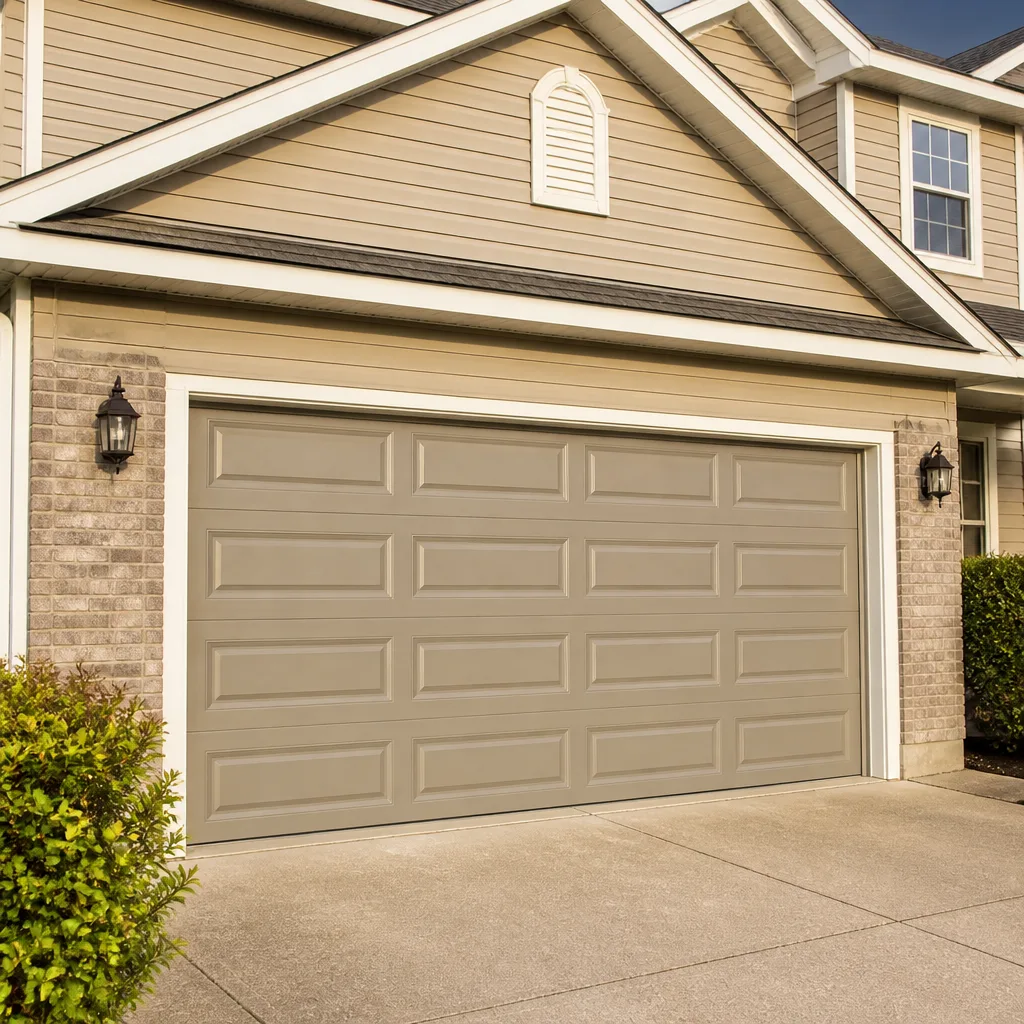 Raised-panel steel
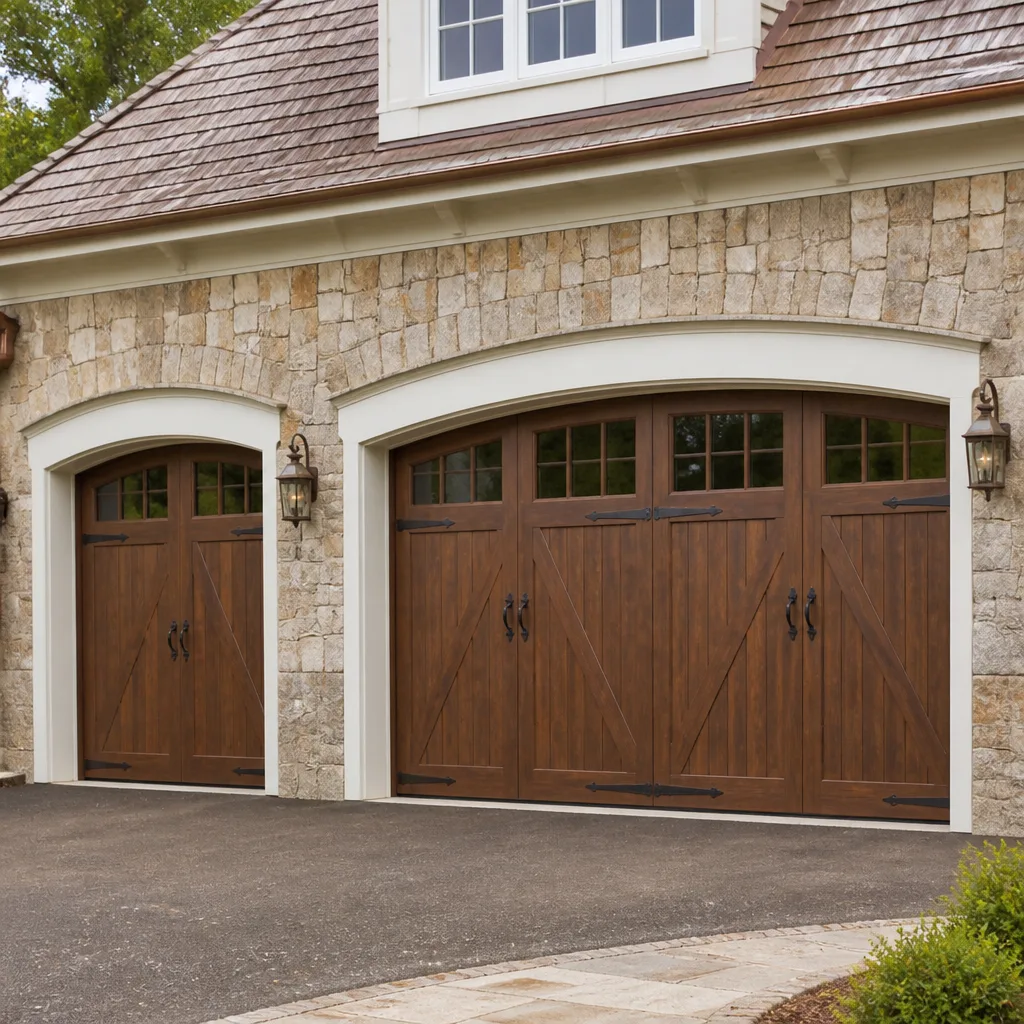 Carriage house
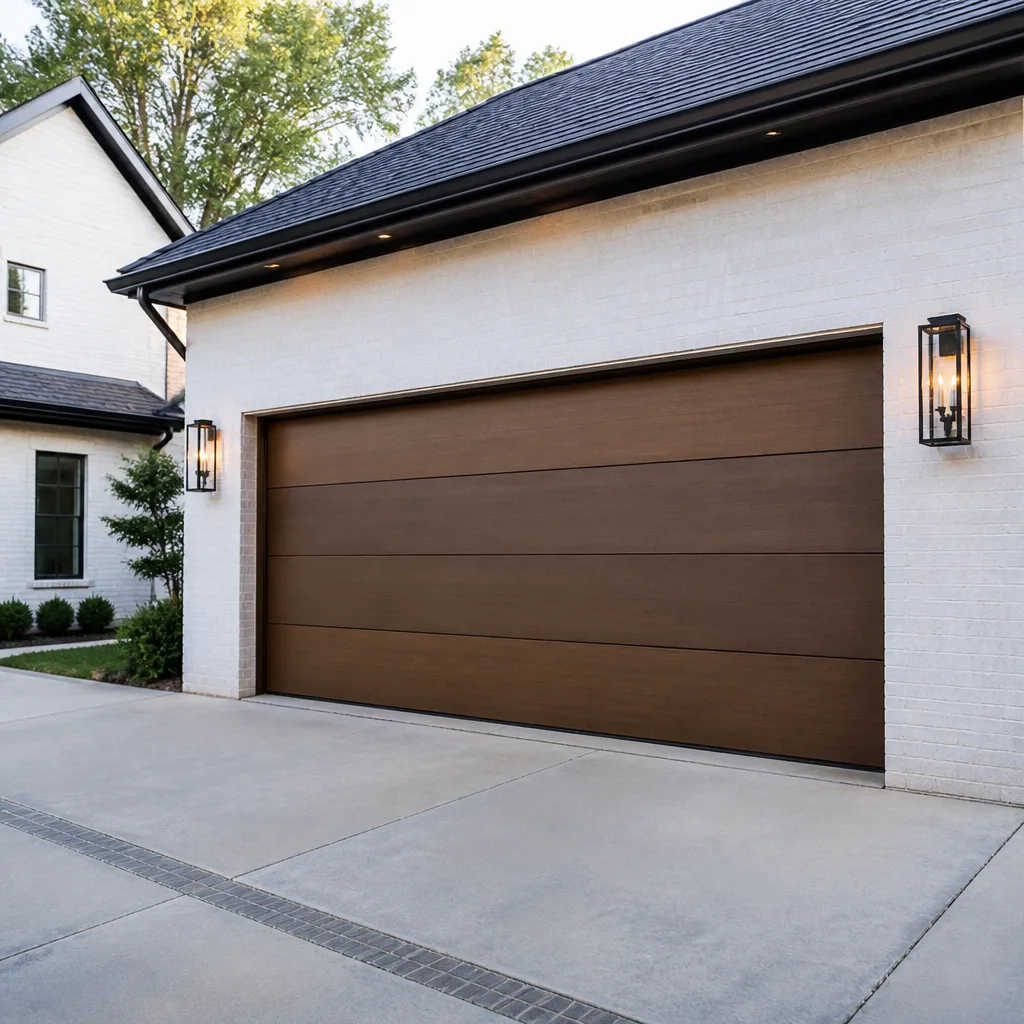 Modern flush
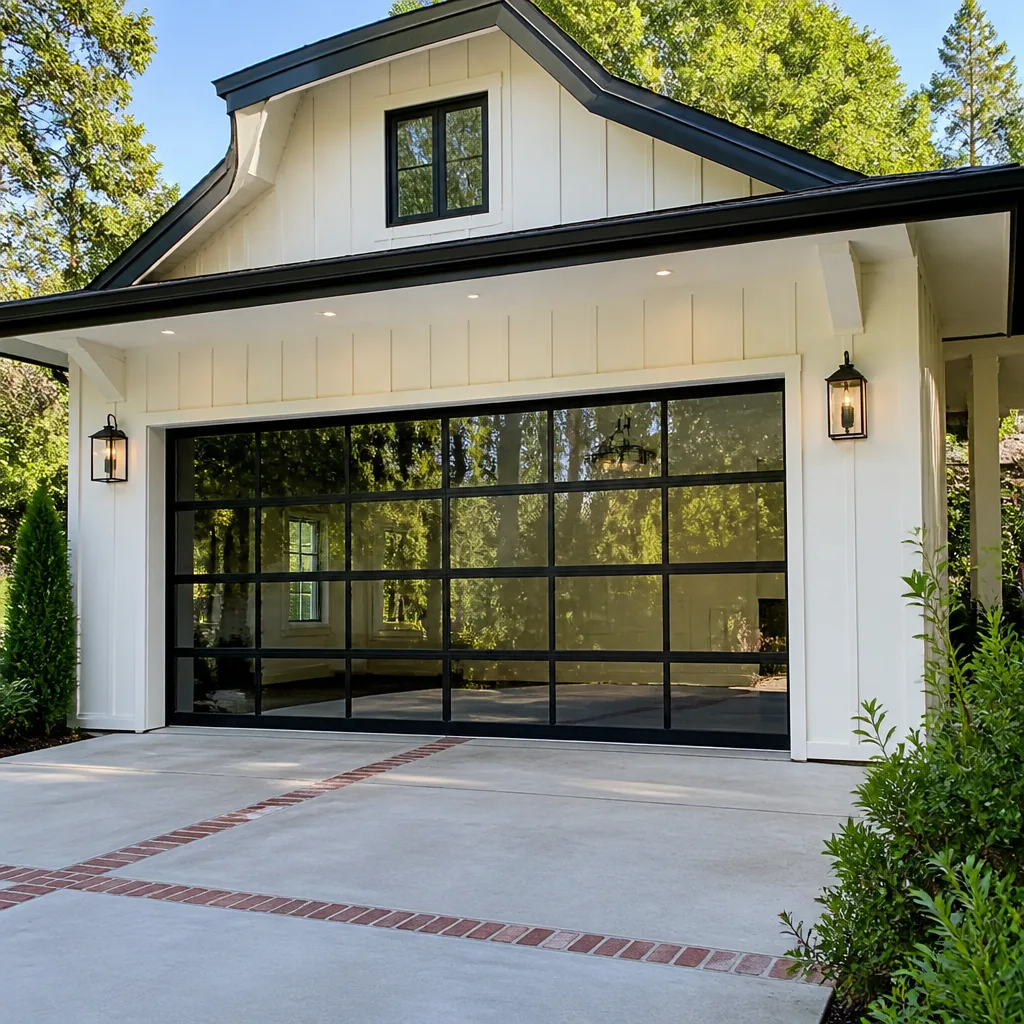 Full-view glass
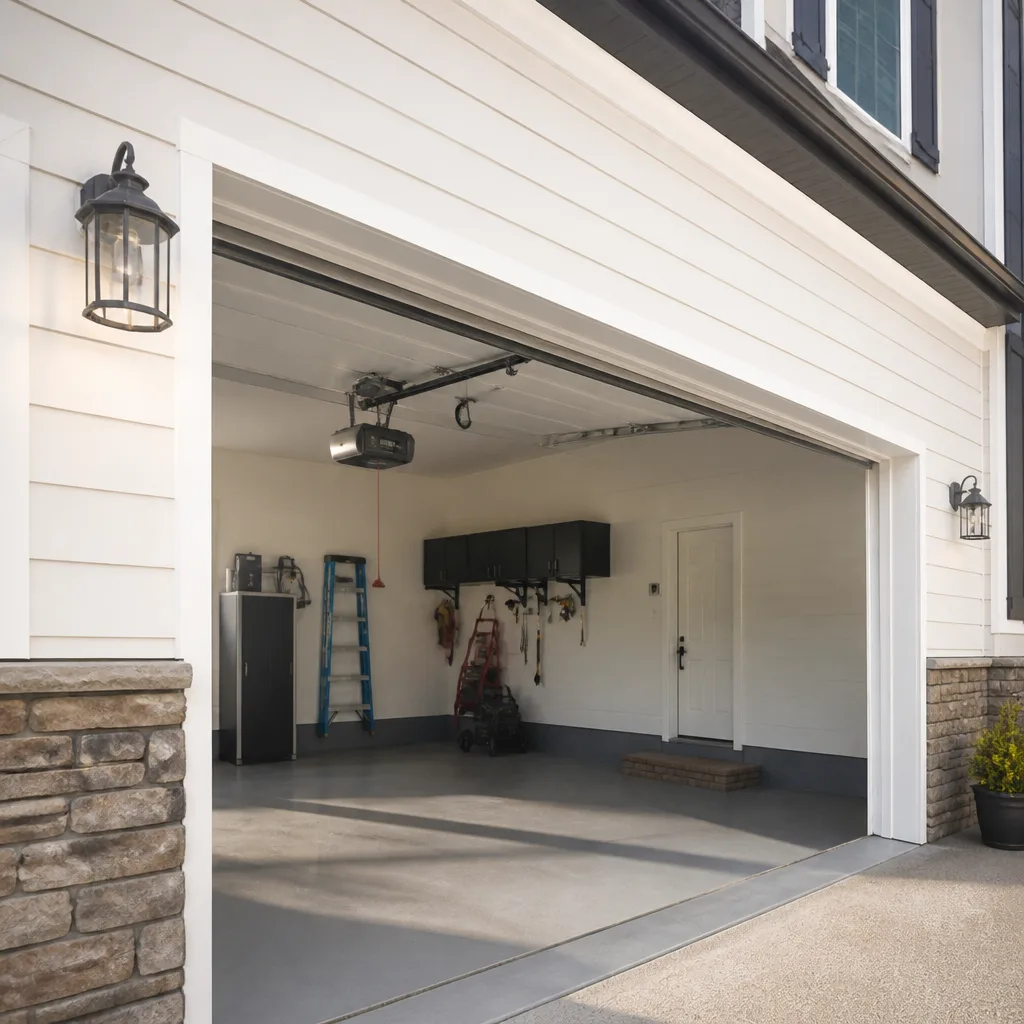 LiftMaster openers
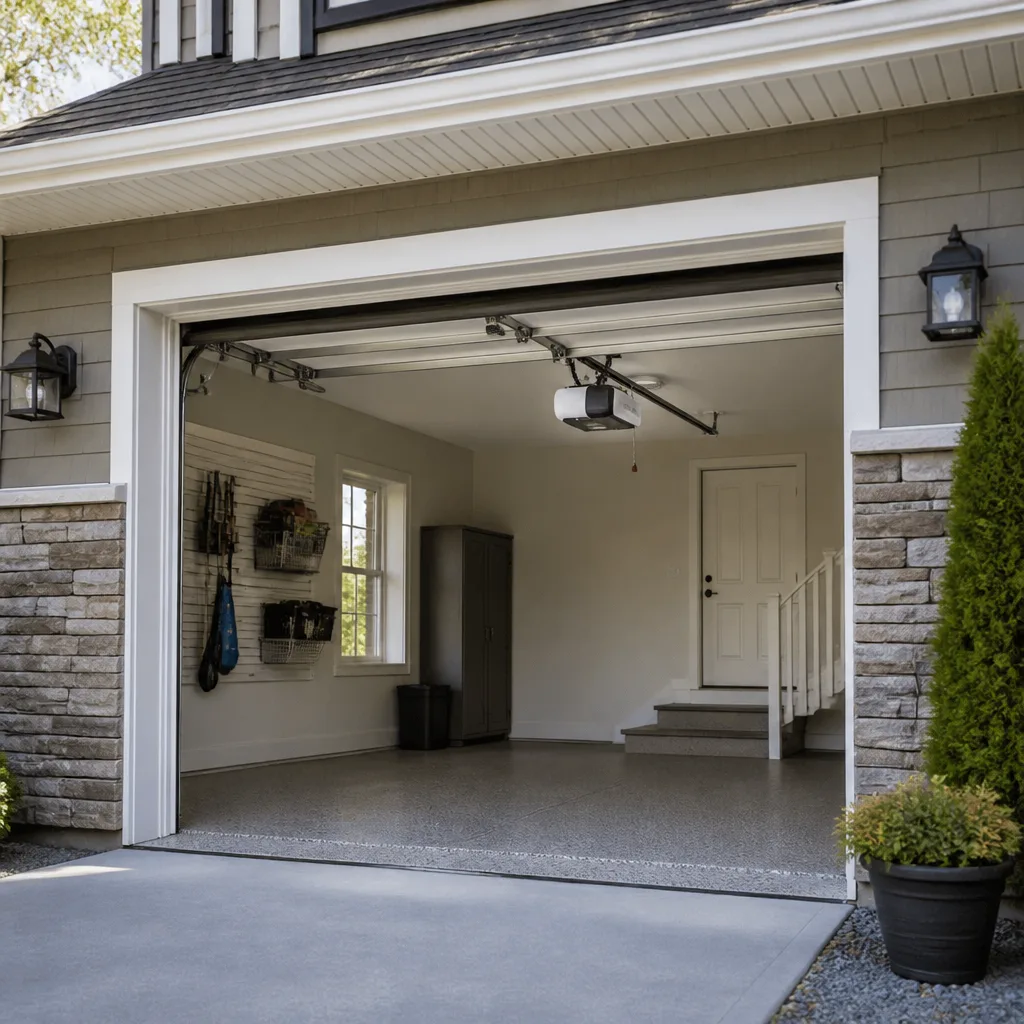 Chamberlain openers
Full 25-point door and opener safety check with every visit - springs, cables, rollers, tracks, and your LiftMaster or Chamberlain opener included
You get a price before we start. It does not change when the pro arrives.
Get your free estimateThe Complete Guide to Garage Doors in Miami Gardens
Most homeowners in Miami Gardens think about their garage door twice: when it breaks, and when a storm is coming. Here’s the counterintuitive part. The door you bought, or the door that came with the house, was likely approved for a specific wind pressure at a specific location, and swapping a panel or track for “something similar” can quietly take that approval off the table. Your garage door is the largest opening in your home’s hurricane envelope, and in Miami Gardens it’s held to rules that most national garage door advice never mentions. This guide covers what actually matters here: hurricane product approval, how humidity and heat shorten component life, material choices that hold up, and what to expect when you call for help.
Quick Answer
A garage door in Miami Gardens has to meet Miami-Dade wind-load requirements, and in practice that means choosing a door with a product approval valid for your wind zone, matched to the right reinforcement and track system. Springs, rollers and openers wear faster here because of heat and humidity cycling, so expect shorter service intervals than the national averages you’ll read online. Repair work should always be quoted in writing before anything starts.
Styles & brands we work with
- Raised-panel steel
- Carriage house
- Modern flush
- Full-view glass
- LiftMaster openers
- Chamberlain openers
Table of Contents
- How Miami-Dade Hurricane Code Affects Your Garage Door
- Reading Wind-Load Ratings: Why 120 mph Matters
- Choosing a Door Material for South Florida Heat and Humidity
- Spring, Roller and Opener Lifespan in Miami Gardens Heat
- Brands You’ll Actually Find in Miami Gardens Garages
- Repair or Replace? How to Decide
- What a New Door Installation Involves
- A Simple Maintenance Routine That Works Here
How Miami-Dade Hurricane Code Affects Your Garage Door
In Miami-Dade County, a garage door isn’t just a door. It’s a rated building component, and it has to carry a product approval that shows it meets the wind and impact requirements for where it’s installed. That approval is often referred to as a NOA, short for Notice of Acceptance. A door sold without a valid approval for your wind zone can’t legally be installed as a code-compliant unit, and an inspector can require it to come out.
What this means for you as a homeowner in Miami Gardens is straightforward: before you buy any door, ask for the approval documentation and confirm it covers your address, your wind zone and the size of the opening. Approval is tied to a specific door model, a specific size range and a specific installation method. A 16-foot door and an 8-foot door from the same line can have different approvals.
Three practical consequences:
- Model matters, not just brand. A manufacturer can have an approved line and an unapproved line. The paperwork has to name the exact model.
- Installation method is part of the approval. Track spacing, anchor type and reinforcement are specified. Changing any of them can invalidate the rating.
- Repairs can affect compliance. Replacing a panel with the wrong gauge or a non-approved part can compromise the assembly.
If you’re unsure whether your current door is compliant, your first call should be to the City of Miami Gardens building department, not to a garage door company. They can tell you what’s required for your address. Our role is to install and repair to those requirements – not to guess at them.
This is where most general handyman work falls short. A specialist knows to ask for the approval before ordering a door. For work at your home, see our garage door repair page.
Reading Wind-Load Ratings: Why 120 mph Matters
Wind-load ratings describe the pressure a door can resist without failing. In South Florida the numbers you’ll see on product literature are commonly stated in miles per hour, and doors designed for this market are frequently rated to 120 mph or higher, with some tested to higher design pressures for exposed sites. A door rated to a lower number might be perfectly legal in another state and completely wrong for Miami Gardens.
Here’s the part people miss: the rating applies to the whole assembly. The door, the tracks, the hinges, the rollers, the reinforcement struts and the anchors all work together. A door rated at 120 mph with the correct strut configuration does not carry that rating if a strut is removed, if a panel is replaced with a thinner one, or if the tracks were re-anchored with lighter hardware after a repair.
How to check what you have, without climbing anything:
- Look for a label or sticker on the door itself. Manufacturers usually affix a rating label inside the top section.
- Check your closing documents or permit records from when the home was built or the door was replaced.
- Note the door’s width and height and the number of struts visible on the inside of the panels.
- Call the city building department with the address and ask what they have on file.
- If nothing can be confirmed, have a specialist inspect and document what’s installed before you rely on it during a storm.
One more local note: wind-driven rain is part of the load, not a separate problem. Poor seals and gaps around the perimeter let water in well before the door itself is stressed, and that water finds the tracks, hinges and bottom seal. When we see rust at the bottom of a door in Miami Gardens, it’s usually a seal that’s been failing quietly for a while.
Choosing a Door Material for South Florida Heat and Humidity
National garage door guides compare steel, aluminum, wood and composite as if climate were an afterthought. Here, heat and humidity change the ranking. The material that gives you the longest service life in a dry climate is often the one that gives you the most trouble in Miami Gardens.
Steel is the most common choice and the best value for most homeowners. What to look for is gauge and finish, not just “steel.” A 24-gauge door in a two-car width flexes more than a 25-gauge door, and flexing shows up as hinge wear and paint cracking over time. On the finish side, a proper baked-on coating matters more here than in dry markets because humidity attacks any bare edge, scratch or cut. Inspect the bottom edge of the door first – it’s the wettest part.
Aluminumwon’t rust, which sounds like an easy win. The trade-off is that aluminum dents more easily than steel and expands and contracts more with temperature swings. In a Miami Gardens garage that heats up through the afternoon, that movement shows up at the hinges and rollers as looseness over the years.
Woodis where the local climate really pushes back. Wood garage doors are beautiful and they need real upkeep here: paint or stain cycles measured in a small number of years, not a decade, because of humidity and sun. If you love the look, go in knowing the maintenance schedule.
Composite and faux-woodtry to split the difference. They resist moisture far better than wood and hold paint well. They cost more up front than basic steel.
Whichever you choose, three details matter most in Miami Gardens: a finish that seals all six sides of every section, hardware that isn’t cheap plated steel, and a bottom seal that actually touches the floor. Our Miami Gardens Garage Door Repair Pros overview covers the services that keep any of these materials working.
Spring, Roller and Opener Lifespan in Miami Gardens Heat
Component life here runs shorter than the numbers printed on the box. Manufacturers rate torsion springs in cycles – one cycle is one open and one close. A common residential spring is rated in the tens of thousands of cycles, and a household that opens the door four times a day uses roughly 1,460 cycles a year. The math says many years. The heat says something different.
Heat cycling is the reason. A garage in South Florida can get extremely hot in the afternoon, then cool overnight, every day, all year. Metal expands and contracts through that swing, lubricant thins and migrates away from where it’s needed, and springs lose tension faster than they would in a mild climate. Springs don’t usually snap because they’re old. They snap because of cycles plus heat plus a lack of lubrication.
What we see as the realistic picture in Miami Gardens garages:
- Springs tend to reach the end of their service life sooner than the cycle rating suggests. Lubricating them a couple of times a year makes a measurable difference.
- Nylon rollers outlast steel rollers here by a wide margin because they don’t rust and they run quieter. Steel rollers with worn bearings are one of the most common sources of noise complaints.
- Openers last well but the motor is the part that fails last. Logic boards, capacitors and remotes are the usual failures, and they’re usually repairable.
- Bottom seals degrade fastest of all. Heat plus contact with a hot floor plus humidity is a hard life.
Spring work is genuinely dangerous. A wound torsion spring stores an enormous amount of energy, and the winding process involves tools under load. Please don’t attempt spring replacement yourself. It’s one of the most common serious injuries in home repair. If a spring is broken, keep the door closed and call for garage door spring repair.
Brands You’ll Actually Find in Miami Gardens Garages
Brand familiarity matters more than people expect. A technician who already knows how a particular manufacturer builds its hinges, how its openers pair and what its common failure points are will diagnose faster and order the right part the first time. We work on the brand already in your garage across eight of the most widely installed names in the country.
Door manufacturers. Clopay and Amarr are extremely common in South Florida subdivisions, and both publish product approval documentation for their impact-rated lines, which makes them straightforward to verify against Miami-Dade requirements. Wayne Dalton is another familiar name, particularly its narrower-profile sectional doors and its hardware systems. If you’re comparing new doors, asking for the approval paperwork on a specific Clopay or Amarr model is a normal request, not a difficult one.
Opener brands. LiftMaster and Chamberlain share a lot of underlying engineering, so what we learn diagnosing one usually applies to the other. Genie and Craftsman cover most of the rest of what we see. When an opener fails, the useful question isn’t which brand is best – it’s whether the failure is the opener, the safety sensors, the wall control or the door’s own balance. A door that’s out of balance will wear out a brand-new opener.
That’s the thinking behind our garage door opener repair work: find the actual cause before replacing a motor that isn’t the problem. If your opener is fine but the door isn’t, the opener won’t fix it.
Repair or Replace? How to Decide
The honest answer depends on the condition of the door structure, not the age of the opener. A door with a broken spring is a repair. A door with bent tracks, cracked panels at the hinge points, and a failing bottom section is usually at the end of its life. Here’s the sequence we recommend working through.
- Check the door’s balance first. Disconnect the opener and lift the door by hand to about waist height. A balanced door stays put. One that slams down or floats up needs spring work before anything else.
- Inspect the panels at the hinges. Cracks radiating from the hinge screws mean the sections are failing. That’s a replacement conversation.
- Look at the tracks. Minor dents can be corrected. Tracks that are bent out of parallel, or that have been re-anchored loosely, affect how the door travels and can compromise the wind rating.
- Assess the opener separately. A modern opener on an old door is a mismatch. If the door is being replaced, plan on the opener too.
- Check compliance. If your existing door lacks a valid approval for your address, a repair budget spent on it may not get you the protection you’re paying for.
Rule of thumb: if the structural sections and tracks are sound, repair. If two or more sections are damaged or the door isn’t compliant, replacement usually makes more sense than pouring money into a door that won’t meet code anyway. Repairs are quoted and agreed before any work begins, so you’ll know the number before you decide.
What a New Door Installation Involves
Installation is a scheduled, measured job – not an emergency call. That’s worth saying plainly because it sets expectations correctly. A new door is ordered to size and to your approval requirements, and it’s installed once, correctly, rather than patched into place.
Here’s how the process usually runs from a homeowner’s point of view:
- Measure and confirm. The opening is measured precisely, including the headroom, the side room and the ceiling clearance for the track and opener.
- Choose the door and verify approval. The model, size, wind rating and reinforcement are confirmed against the product approval for your address.
- Get a written price. The quote should cover the door, the tracks, the hardware, the springs and the labor, so there’s no surprise line item later.
- Schedule the install. The old door and tracks come out, the opening is checked, and the new door and hardware go in.
- Balance and test. Springs are set, the door is balanced, the opener is programmed and the safety reverse is tested.
- Final walk-through. You operate the door yourself before the job is done. If anything feels wrong, it gets corrected then.
For Miami Gardens homeowners, the approval step is the one to slow down on. Nothing about the install can be right if the door model isn’t legal for the address in the first place.
A Simple Maintenance Routine That Works Here
Ten minutes every few months goes a long way in this climate. The point isn’t to turn you into a technician – it’s to catch the cheap problems before they become expensive ones.
- Lubricate the springs, hinges and rollers with a proper garage door lubricant. Do this a couple of times a year, more often if the door runs heavily.
- Wipe the bottom seal and check it for cracking. Replace it when it stops making contact with the floor.
- Test the safety reverse monthly. Put a small object in the door’s path and confirm the door reverses when it meets it.
- Look at the tracks – not to adjust them, just to see whether anything is bent or loose.
- Listen. A door that has started grinding or banging is telling you something. Get it looked at before it stops moving.
- Check the paint and finish on the lower sections. Any exposed metal is a starting point for rust.
Don’t adjust springs, cables or the opener’s force settings yourself. Those are the parts where a small adjustment can turn into a dangerous failure.
Common Mistakes to Avoid
- Buying a door without checking the product approval. A door that’s rated in general but not approved for your wind zone can fail inspection. Always confirm the approval covers your exact model, size and installation.
- Replacing one spring of a matched pair. Springs are matched to balance the door. One new spring and one tired spring puts uneven load on the system, and the second spring usually fails soon after.
- Putting a new opener on an unbalanced door. If the door is heavy or drifts down on its own, the opener is working against the springs. It’ll fail early, and so will the next one.
- Ignoring the bottom seal. It’s the cheapest part on the door. A failed seal lets water reach the tracks and hinges and starts the rust cycle.
- Assuming the cheapest quote is the same job. Ask what’s included: new tracks, new hardware, springs, haul-away, permit and approval documentation.
- Skipping the written estimate. In Miami Gardens, prices vary by door size, height and reinforcement needs. Agree on the number in writing before anyone starts.
- Trusting national lifespan figures. Springs and seals here wear faster than in mild climates. Plan service around what you see, not what a chart says.
See the difference
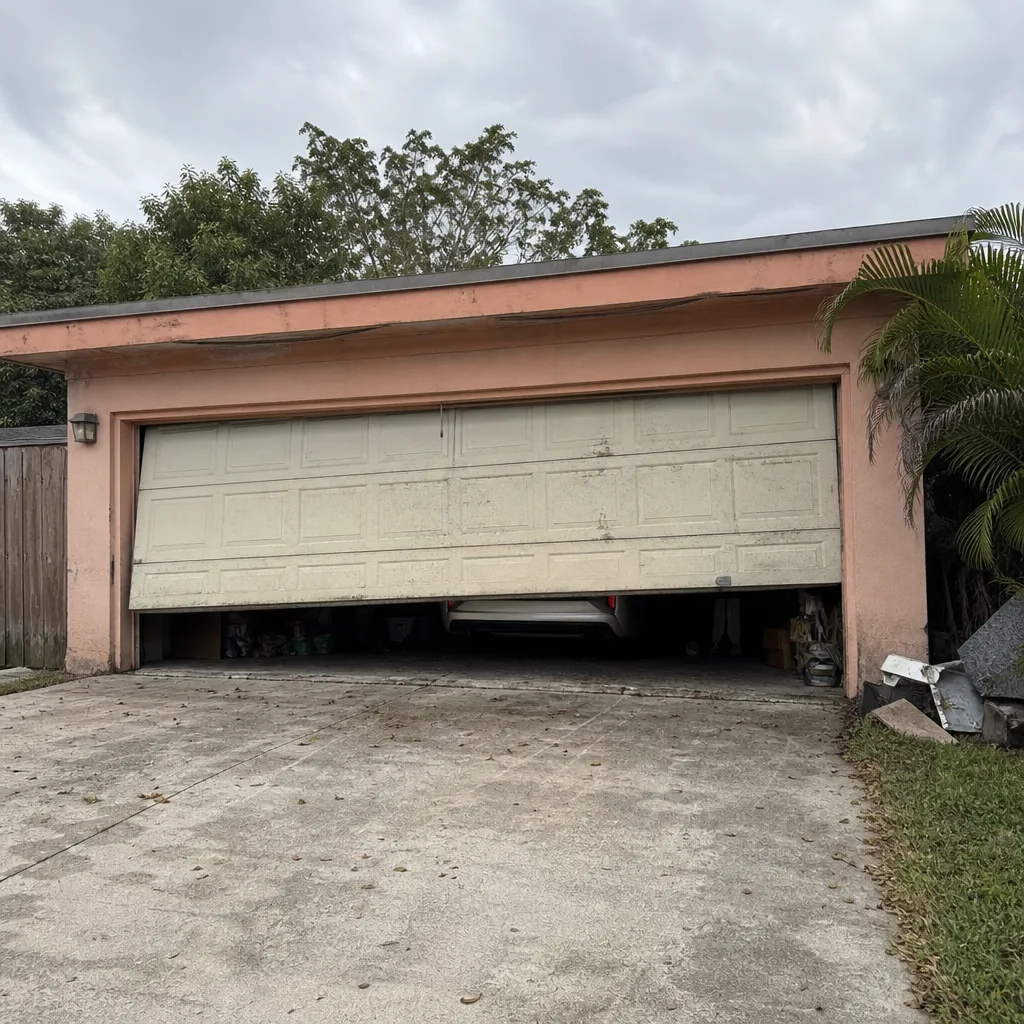 Before
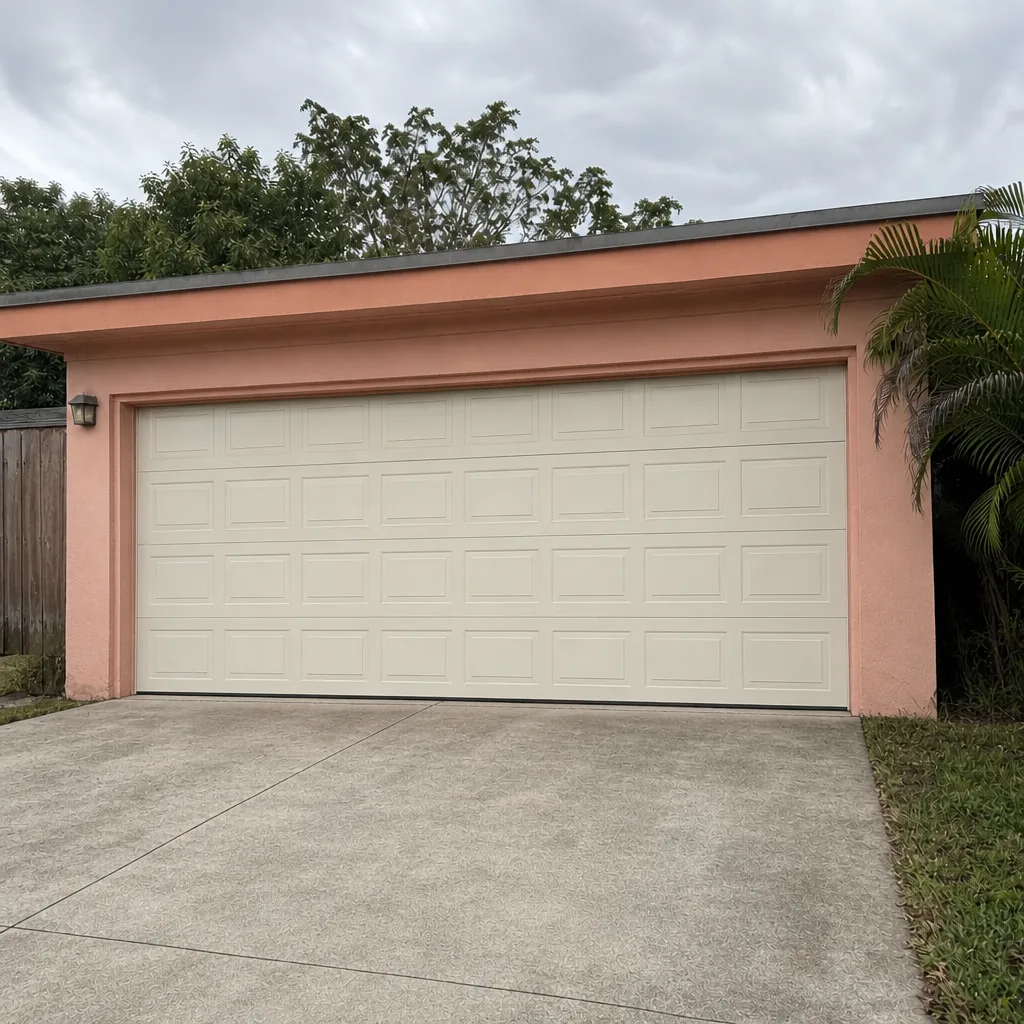 After
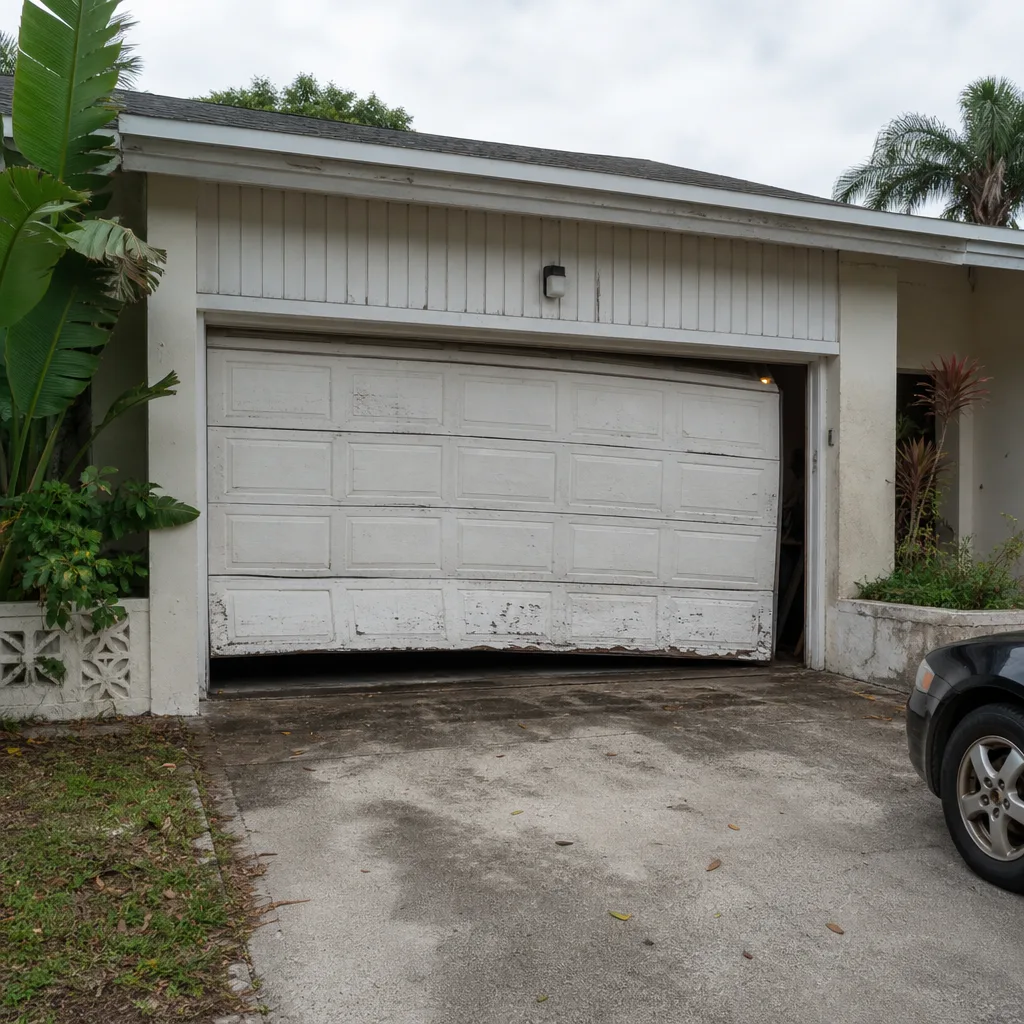 Before
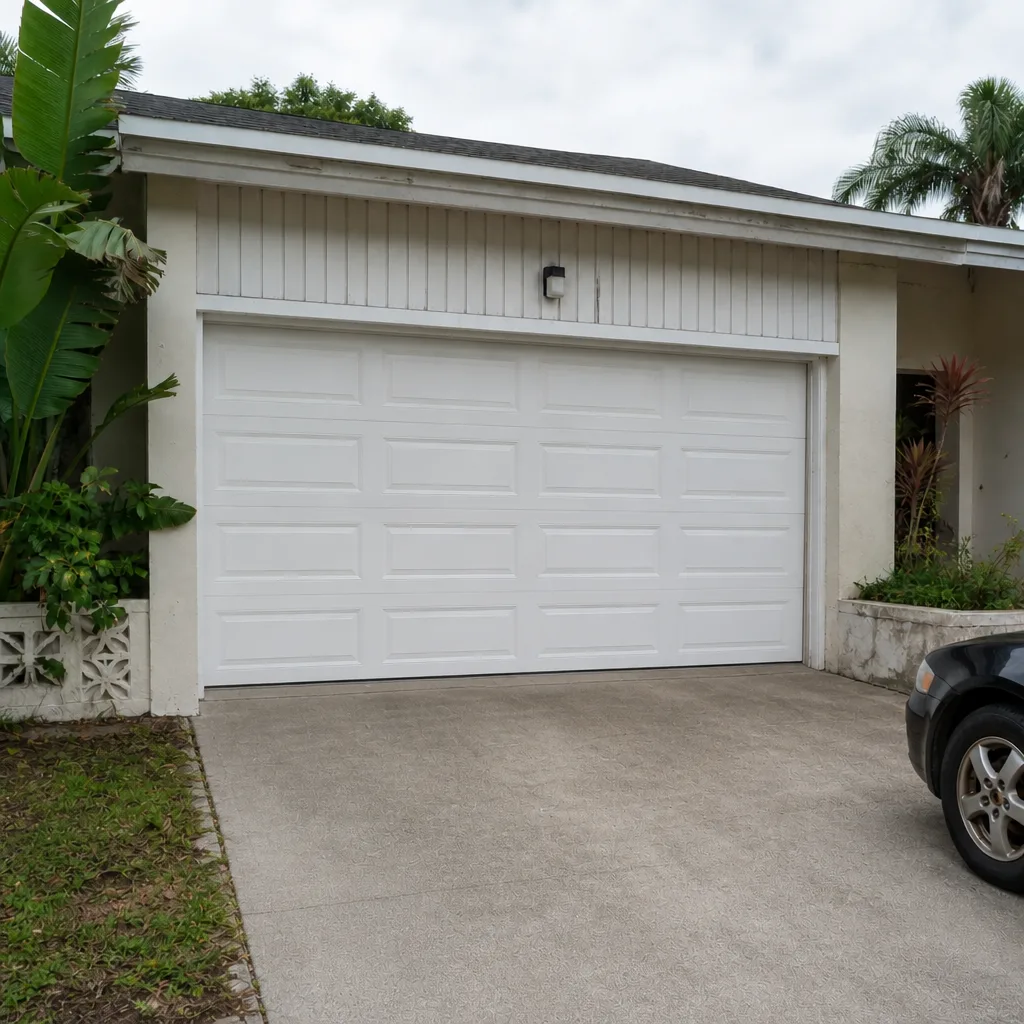 After
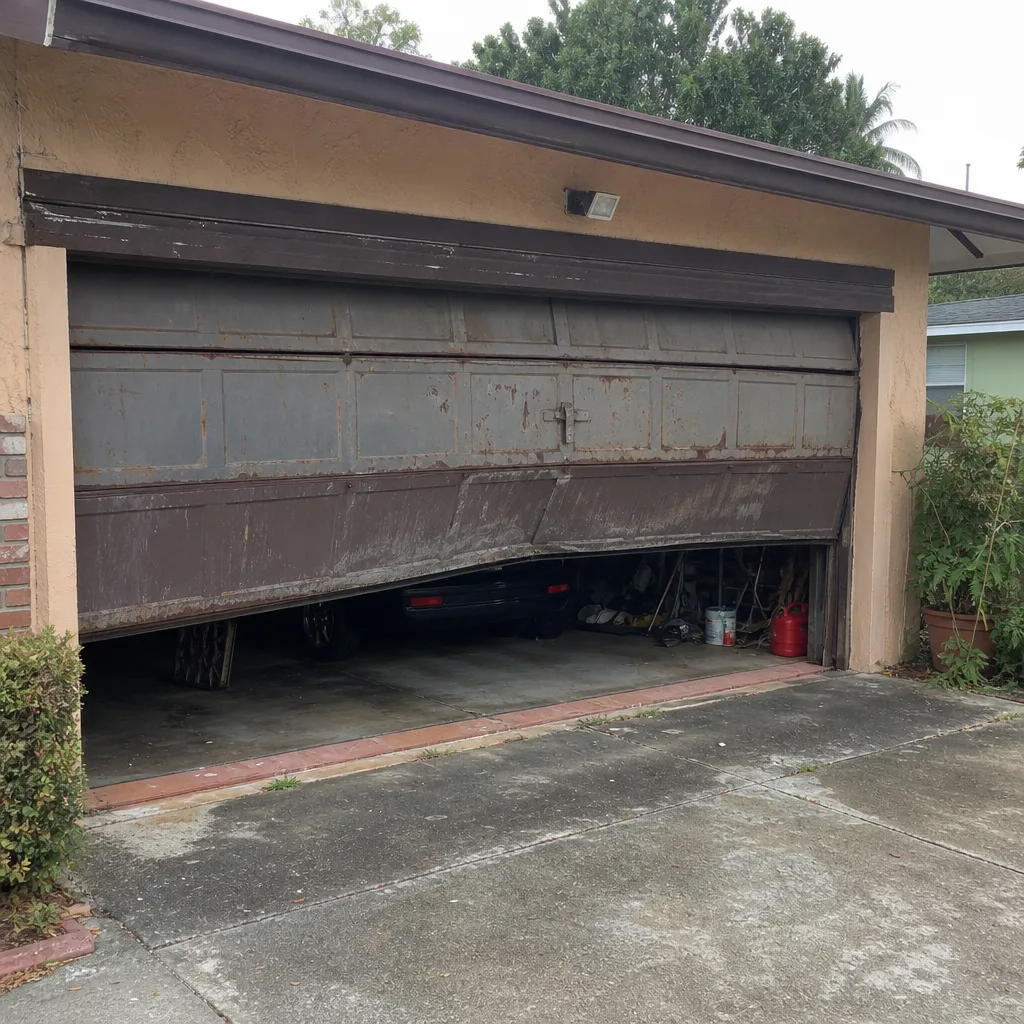 Before
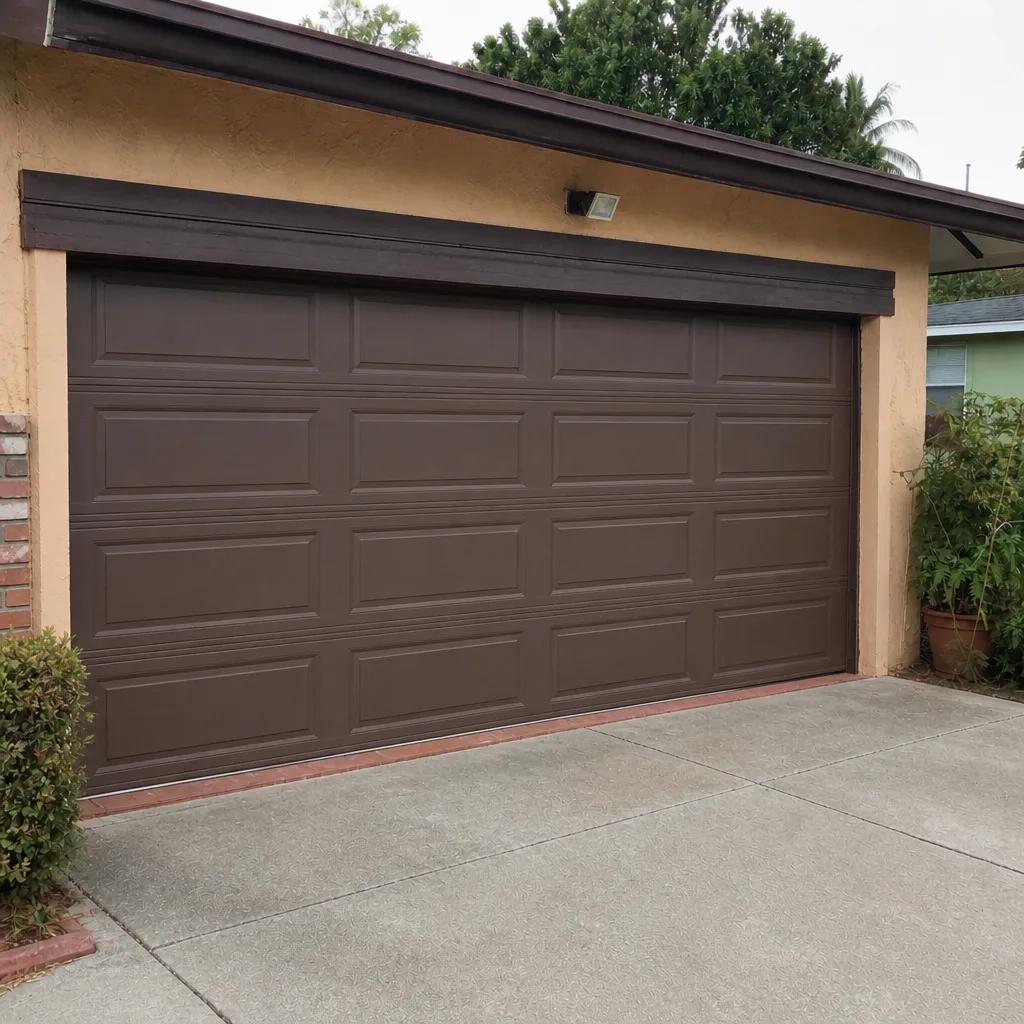 After
When to Call a Professional
Call when a spring breaks – that’s a same-day kind of problem, because the door won’t lift safely without it. Call when the door won’t close and your house is open to the street. Call when the opener runs but the door doesn’t move, when the door reverses for no reason, when a cable is hanging loose, when the tracks are visibly bent, or when the door has started scraping the floor. Call when you’re planning a replacement and need to know which models are approved for your address. Miami Gardens Garage Door Repair Pros offers free estimates in Miami Gardens – call (833) 468-5952. Our technicians have up to 12 years of experience, and emergency availability is part of what we do, not an afterthought.
Frequently Asked Questions
Miami-Dade requires a door with a valid product approval for your specific wind zone, and doors sold for this market are commonly rated to 120 mph or higher. The exact requirement depends on your address, exposure and opening size, so confirm with the City of Miami Gardens building department before ordering. We can help you match a door to the approval – call (833) 468-5952 for a free estimate.
Shorter than the cycle rating on the box suggests. Heat cycling through the year and humidity that thins lubricant both shorten spring life, so springs here wear out faster than in mild climates. Lubricating them twice a year helps. When one breaks, don’t run the door – call us for spring repair and an exact quote.
Only if the replacement panel is the identical model and gauge, and even then it’s risky. Panels carry the wind rating for the assembly, and swapping in the wrong one can compromise the approval and the door’s balance. The safe move is to have a specialist confirm the correct part and install it. Call (833) 468-5952 – estimates are free.
No – the written estimate is the price. We quote after we’ve seen the door, and the number we agree on before work starts is the number you pay. That’s a deliberate choice: the estimate happens before the labor, not after.
Yes. We service eight of the most widely installed garage door and opener brands, including Clopay, Amarr, Wayne Dalton and Craftsman on the door side, and LiftMaster, Chamberlain and Genie on the opener side. If you’re not sure what you have, tell us what the label says and we’ll tell you what to expect.
Often, yes. A door that won’t close is an emergency and we treat it like one. Call (833) 468-5952 and we’ll tell you what’s available. Estimates are free and the price is agreed before any work starts.
The Bottom Line
Your garage door in Miami Gardens is a code-rated building component, a daily security feature and a mechanical system that lives in one of the harshest residential environments in the country. Treat those as three separate things and the decisions get easier. Get the product approval right before you buy. Expect springs, seals and rollers to wear faster than the national charts say, and keep the system lubricated and balanced. Repair what’s sound, replace what’s not, and always insist on a written price before work begins. When you need garage door repair or a new door, call us at (833) 468-5952 for a free estimate.
Written by the team at Miami Gardens Garage Door Repair Pros.