Last updated November 22, 2026
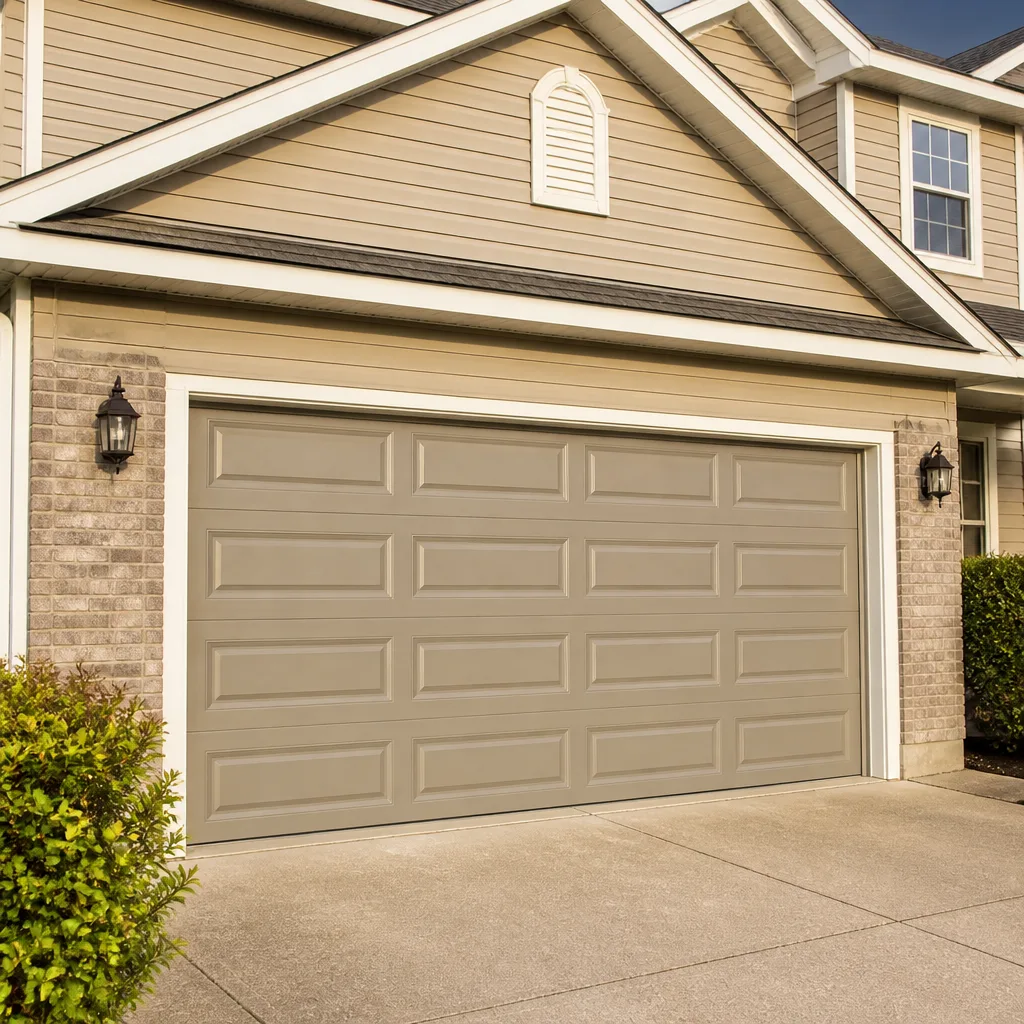 Raised-panel steel
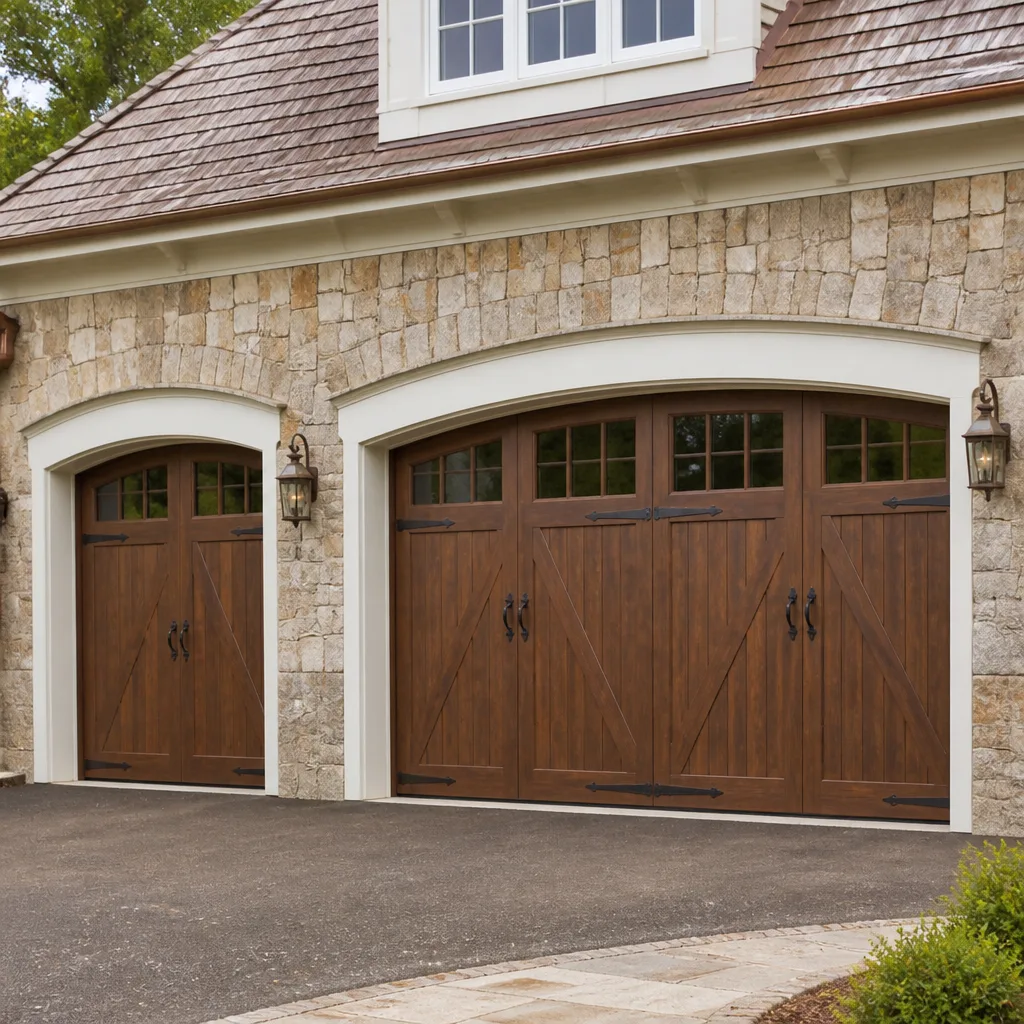 Carriage house
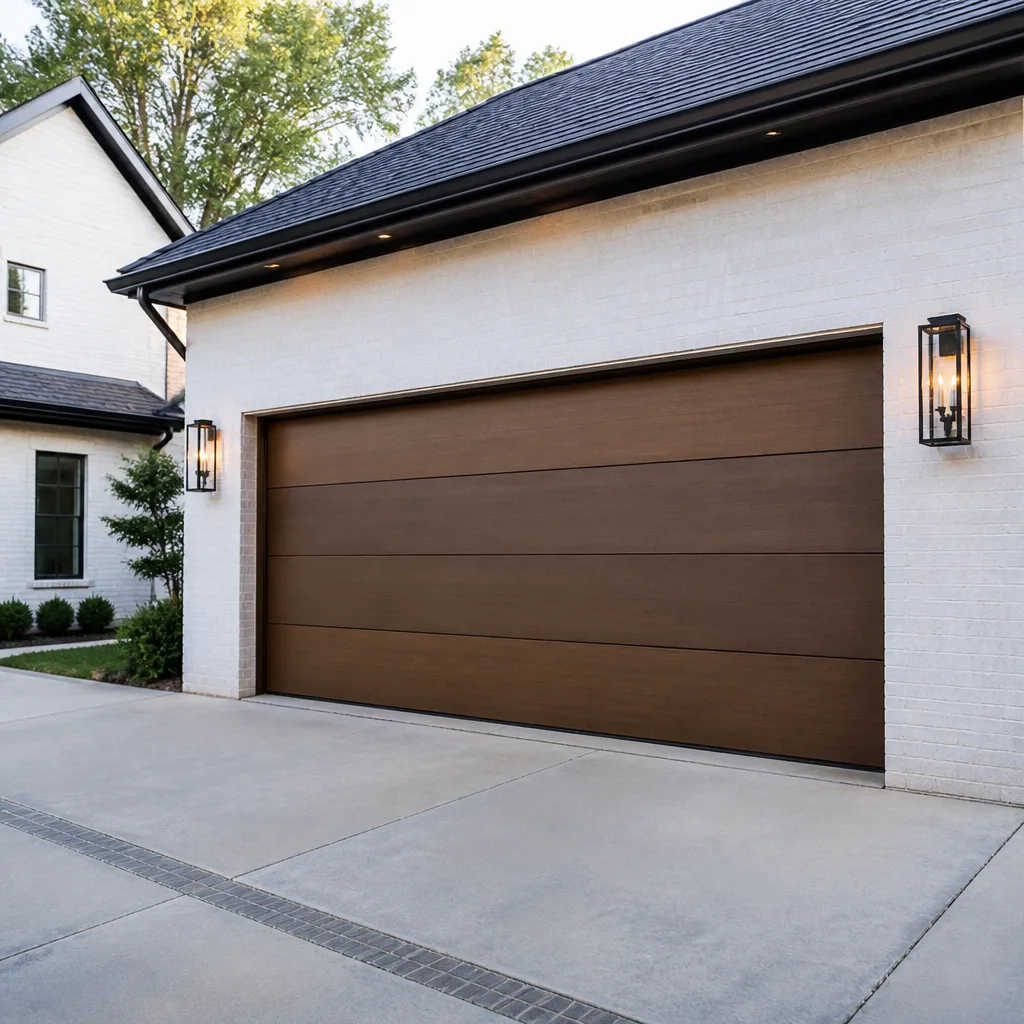 Modern flush
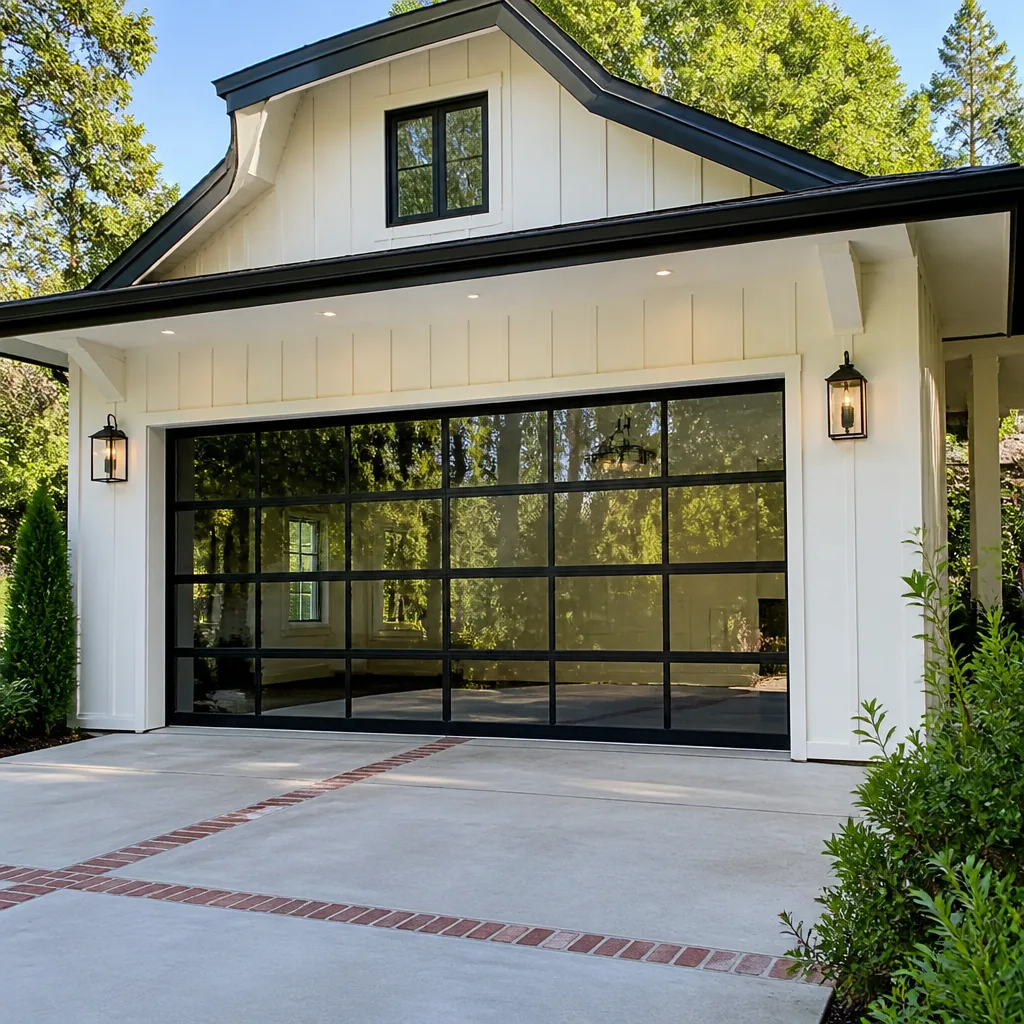 Full-view glass
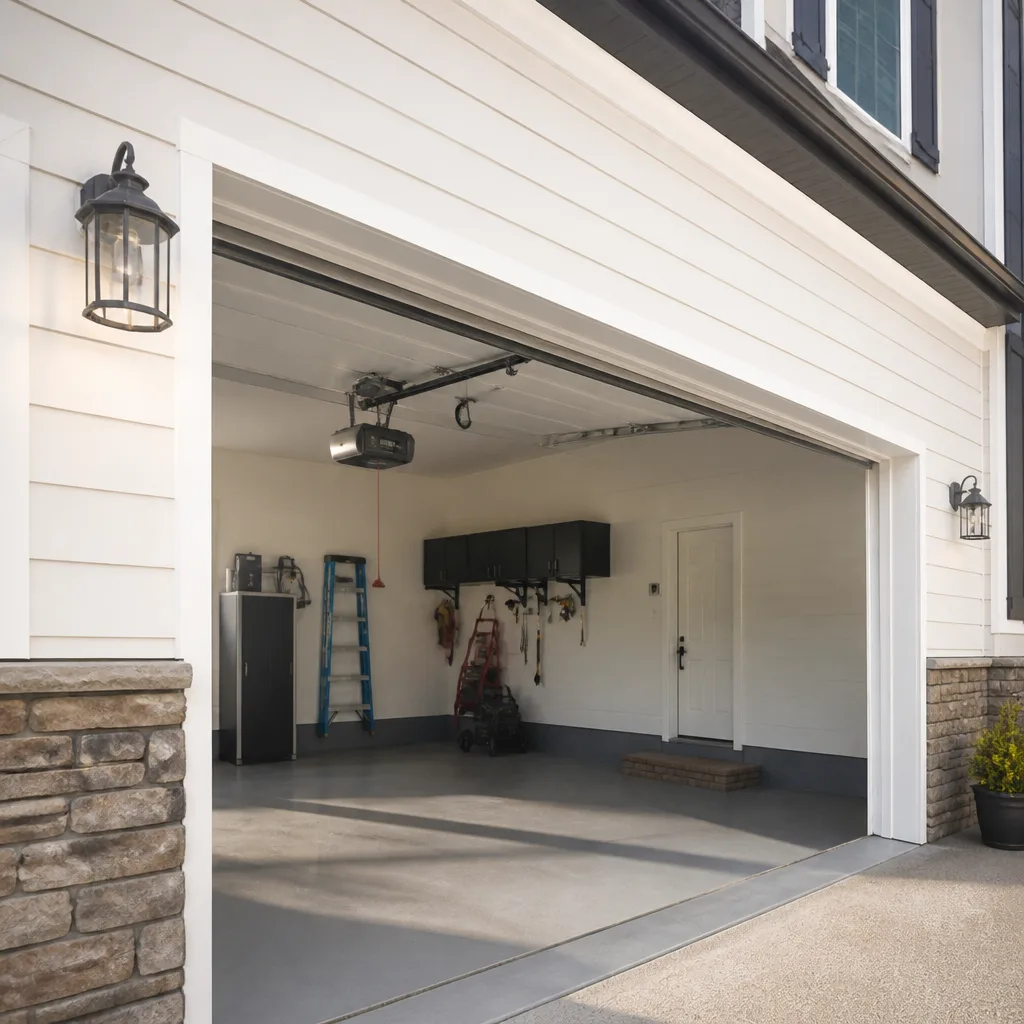 LiftMaster openers
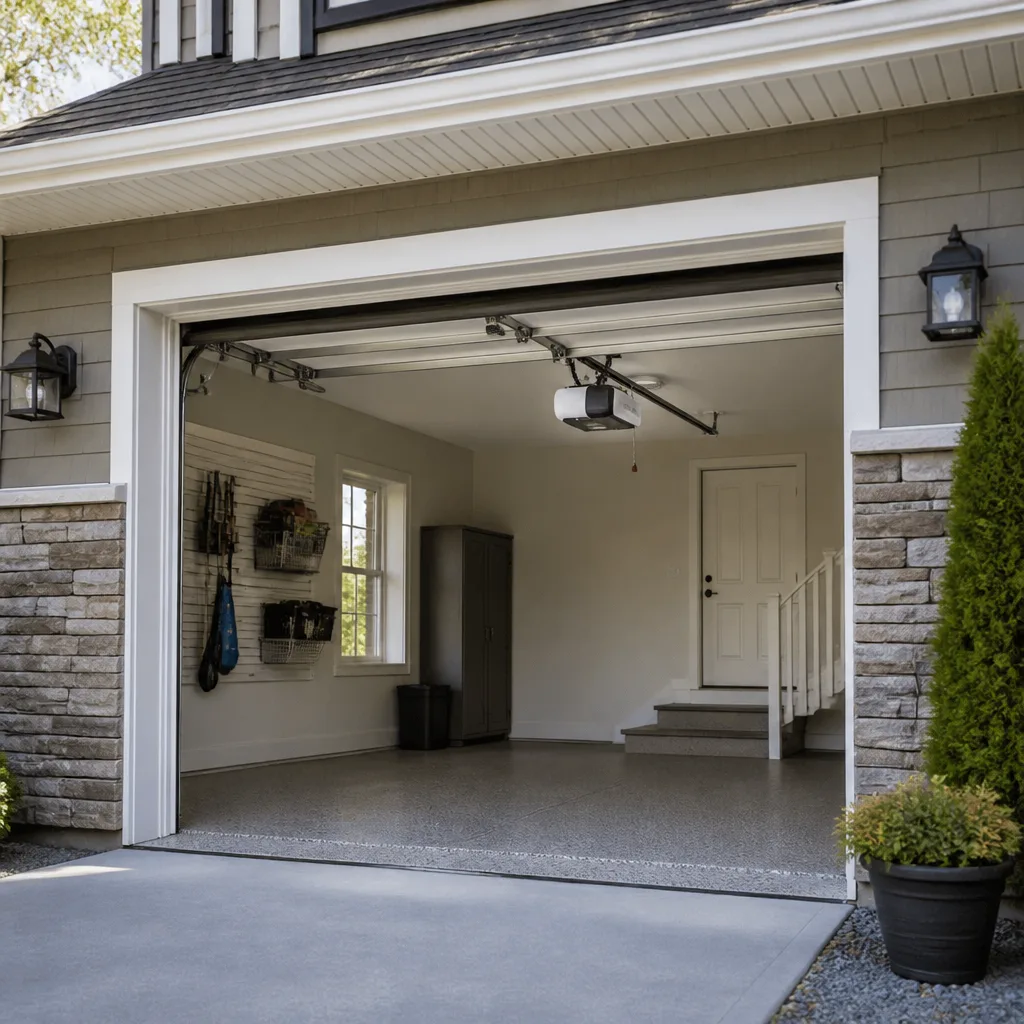 Chamberlain openers
Full 25-point door and opener safety check with every visit - springs, cables, rollers, tracks, and your LiftMaster or Chamberlain opener included
You get a price before we start. It does not change when the pro arrives.
Get your free estimateSeasonal Garage Door Care for Miami Gardens: Year-Round Homeowner’s Guide
June 1st gets all the attention around here. That’s the official start of hurricane season, and it’s when people suddenly start thinking about their garage door. But the failures we get called about after a storm usually trace back to February and March, when the door was working fine and nobody was paying attention. Miami Gardens doesn’t have four seasons in the traditional sense. It has two that matter for your garage door: hurricane season and the dry heat season, each with its own failure patterns. This guide walks you through what to check, when to check it, and what to leave to a technician.
Quick Answer
In Miami Gardens, seasonal garage door care means two focused maintenance windows: an April – May pre-hurricane check covering anchors, tracks, panels and the manual release, and a December – March dry-season check focused on UV-degraded seals, opener overheating and lubrication. Year-round, the lack of temperature extremes here accelerates certain types of spring fatigue rather than preventing it. A door that’s inspected twice a year, before storm season and during the dry months, avoids most of the failures that get blamed on weather.
Styles & brands we work with
- Raised-panel steel
- Carriage house
- Modern flush
- Full-view glass
- LiftMaster openers
- Chamberlain openers
Table of Contents
- Why Miami Gardens Has Two Garage Door Seasons, Not Four
- Pre-Hurricane Season Checklist (April – May)
- During Active Storm Season: What to Do 72 Hours Out
- Post-Storm Inspection: Cosmetic vs. Structural Damage
- Dry Season Focus (December – March): UV, Heat and Lubrication
- How South Florida’s Climate Affects Your Springs Year-Round
- Opener Overheating and the Heat Island Effect
- Your Miami Gardens Garage Door Maintenance Calendar
Why Miami Gardens Has Two Garage Door Seasons, Not Four
Most garage door maintenance advice is written for places with hard winters. It talks about freeze-thaw cycles, road salt and the stress of extreme cold on springs and seals. None of that applies in Miami Gardens. What we have instead is a long wet season from June through November and a dry, hot stretch from December through March, and each one stresses your door differently.
During hurricane season, the threats are wind-driven rain, airborne debris and pressure changes. The door becomes part of your home’s envelope, and a failing panel or a loose anchor matters in a way that it doesn’t in February. During the dry season, the threats are quieter: ultraviolet light breaking down rubber seals, heat building up in the garage, and the daily expansion and contraction of metal components. Both seasons put real wear on the door, just in different places.
What ties them together is that the lack of temperature extremes here doesn’t make your door last longer. It changes how it fails. Springs that would last years in a cooler climate sometimes develop fatigue cracks earlier here because the door cycles more often and the metal never gets a cold-season rest. We see torsion springs fail on doors that get opened six or eight times a day, every day, in a garage that gets hot by mid-morning.
If you only remember one thing from this guide, make it this: your garage door needs two checkups a year in Miami Gardens, and they’re not the same checkup. The April – May walkthrough looks for wind readiness. The December – March walkthrough looks for heat and sun damage. Treat them as separate maintenance events and you’ll catch problems before they become repairs.
For homeowners who’d rather have an experienced set of eyes on the door once or twice a year, Miami Gardens Garage Door Repair Pros covers both seasonal windows. Our technicians have up to 12 years of experience with the full mechanical assembly, from the springs to the opener to the panels themselves.
Pre-Hurricane Season Checklist (April – May)
April and May are the right months to get your door ready for storm season. The weather is usually still dry, the door is working, and there’s time to fix what you find. This is the walkthrough we recommend every Miami Gardens homeowner do once a year, either on their own or with a technician.
- Check the anchor hardware. Look at the brackets that hold the tracks to the wall and the header above the door. Rusted, loose or missing bolts are a warning sign. If you can wiggle a bracket by hand, it needs attention before the first named storm.
- Inspect the tracks for integrity. Run your hand along each track (with the door closed and the opener disconnected). Look for dents, bends, or sections that pull away from the wall. A track that’s out of alignment is a wind vulnerability, not just a noise problem.
- Test the manual release. Pull the red release cord and lift the door by hand. It should move smoothly and stay up when you let go halfway. Then re-engage the opener and confirm it cycles normally. If the door won’t hold or feels heavy, stop and call a technician. A heavy door with a failing spring is dangerous to test.
- Assess panel dents and gaps. Walk the outside of the door and look at each panel. Small dents are cosmetic. Panels that are bowed, separated from the frame, or have visible gaps at the hinges are structural and matter during a wind event.
- Confirm the auto-reverse safety feature. Put a piece of wood or a brick on the ground under the door and close it. The door should reverse on contact. Test the photo-eye sensors the same way by blocking them with your leg.
- Look at weatherstripping and the bottom seal. A torn bottom seal lets wind-driven rain in during a storm and does nothing for your door’s wind resistance. Replace it before June if it’s cracked or missing sections.
Two of these steps, the manual release test and the panel assessment, are the ones most homeowners skip. They’re also the two most likely to reveal a problem that a storm will expose. If anything feels wrong during the walkthrough, that’s the moment to bring in a technician, not the week before a storm is forecast.
For doors that fail this walkthrough, garage door repair before June is almost always less expensive than repair after. Getting the door fixed while the weather is calm beats dealing with a bent track the day a storm is 48 hours out.
During Active Storm Season: What to Do 72 Hours Out
Once a named storm is forecast for South Florida, the maintenance window closes and the preparation window opens. What you do in the last 72 hours before landfall matters, and so does what you don’t do.
Here’s the sequence we recommend:
- Close and lock the door, and disconnect the opener. Pull the manual release so the door rests on its springs rather than on the opener’s trolley. This removes strain from the opener motor and lets the door settle into its locked position.
- Clear the garage of anything that can become a projectile. Loose tools, boxes, bikes, gas cans. Anything in the garage that can move is something that can hit the door from the inside.
- Check the door is fully seated in the frame. Look at the gap at the bottom and the sides. If wind can get behind the door, the pressure builds on the panels.
- Photograph the door from the inside and outside. This gives you a record of its condition before the storm, which is useful if there’s damage afterward.
- Leave it alone after that. Don’t run the opener during the storm. Don’t open the door to check on anything. Keep the garage sealed.
Now, the thing not to do: don’t add aftermarket bracing to a door that isn’t rated for wind. We see this every season. Homeowners buy a kit online, screw it into the panels, and think they’ve made the door stronger. What they’ve usually done is void any wind rating the door came with and created new failure points where the bracing attaches. A door that’s rated for a specific wind speed is rated because it was engineered and tested as a system, with the panels, tracks, anchors and springs working together. Bolting a strut to the middle of a non-rated panel doesn’t turn it into a rated door. It turns a non-rated door into a non-rated door with holes in it.
If you want a door that’s actually rated for storm conditions, that’s a conversation to have in the dry season, before the first named storm. It involves installation of a new door built to the right standard, not a retrofit. We work with doors from Clopay, Amarr, Wayne Dalton and Raynor, and if you’re considering a replacement for storm readiness, we can walk you through what’s available and what it takes.
Post-Storm Inspection: Cosmetic vs. Structural Damage
After a storm passes, the door has been through a real-world test. The question is whether what you’re looking at is cosmetic or whether it compromises the door’s ability to hold up under the next wind event. Here’s how to tell the difference.
Usually cosmetic:
- Small dents in a single panel that don’t cross a hinge
- Scratches or paint damage
- Debris stuck in the tracks that clears out easily
- A door that looks slightly off but operates smoothly with no unusual noise
Usually structural:
- Panels that are bowed or pushed inward beyond a shallow dent
- A panel that has separated from the hinge points
- Tracks that are bent out of vertical
- Anchors pulled away from the wall or header
- A door that won’t close flush against the frame, or won’t stay centered in the tracks
The line between the two isn’t always obvious. A single dented panel that still seals correctly against the frame is cosmetic. The same dent, if it’s pulled the panel out of alignment with the hinge, is structural. That’s why we recommend a professional inspection after any storm that pushed your door hard enough for you to notice. The door’s wind-load integrity depends on the whole assembly staying aligned, and a visual check from the driveway doesn’t always catch a bent track behind the panel.
If your door has real damage, garage door spring repair is sometimes part of the fix and sometimes isn’t. Storm damage usually hits tracks and panels, not springs, but a door that’s been shoved hard can twist a torsion tube or pull a spring out of its winding. The right step is a diagnosis, not a guess.
Dry Season Focus (December – March): UV, Heat and Lubrication
Once hurricane season ends, the maintenance story changes. The wind threat drops, and the sun and heat take over. Miami Gardens gets a lot of both during the dry season, and your garage door takes the brunt of it.
UV seal degradation
Rubber and vinyl seals break down faster in strong sun. The bottom seal, the weatherstripping around the frame, and the rubber gaskets around your opener’s sensors all take direct UV exposure. A seal that’s cracked, hardened or pulling away from its channel stops doing its job. This is one of the cheapest seasonal fixes you can make, and one of the easiest to overlook because a failing bottom seal mostly just looks like a thin dark line from the driveway.
Opener overheating
Your garage gets hot during the dry season. An opener that’s fine in February can start cutting out in April because the motor is working harder in a hotter box. The symptoms are doors that stop halfway, openers that click but don’t move the door, or an opener that resets itself after a few minutes. If you’re seeing this pattern in the hot months, it’s worth having the opener checked. LiftMaster, Chamberlain, Genie and Craftsman openers all have their own thermal behaviors, and a technician who works on the brand regularly will know what’s normal and what isn’t.
Lubrication frequency adjustments
Most general advice says to lubricate your garage door tracks and rollers once or twice a year. In Miami Gardens, we recommend checking lubrication more often during the dry season. The heat pulls lubricant off the rollers faster, and dust in the air combines with it to form a gritty paste that wears the rollers down. A quick check with a rag once a month during the dry season tells you whether the rollers feel smooth or gritty.
On lubrication, a note: don’t lubricate the tracks themselves. Grease on the tracks attracts dirt and makes the door louder over time. Lubricate the rollers, hinges and springs, not the tracks. If your door uses torsion springs, a technician should handle any lubrication that requires opening the spring assembly.
How South Florida’s Climate Affects Your Springs Year-Round
Torsion springs and extension springs are the most dangerous components on any garage door. They’re also the most climate-sensitive in a way that’s specific to our location. In cooler climates, springs get a seasonal break during the winter months. Here, the door cycles year-round, and that’s harder on the metal than most homeowners realize.
Two things accelerate spring fatigue in Miami Gardens:
- Continuous cycling. A door that opens and closes four to eight times a day, 365 days a year, is going through more cycles per year than a door in a colder climate that sits unused for stretches. Springs have a rated cycle life, and that life runs down faster here because the door is never at rest.
- Heat and humidity cycling. The wet season brings humidity and the dry season brings heat. That constant back-and-forth causes metal to expand and contract repeatedly, and repeated expansion and contraction is a fatigue mechanism. Cracks in torsion springs often start in the coil where the stress concentrates.
The early warning signs are worth knowing so you can act before a spring breaks:
- The door feels heavier than usual when lifted by hand
- You hear a clunk or pop when the door cycles
- The door opens unevenly or stops partway
- The gap at the bottom of the door is uneven left to right
- You find a piece of coiled metal on the garage floor (a broken spring commonly releases a section into the door area)
If any of those apply, stop operating the door. A broken torsion spring with the door open can let the door drop, and a door under spring tension with a failing spring is a serious hazard. This is one of the repair tasks that should never be a DIY job. Trained technicians use proper winding bars, understand how to release stored energy safely, and know what to check after a spring is replaced. We don’t recommend homeowners touch the spring assembly at any point, even to look closer.
When a spring does fail, getting the right spring matters more than getting it fast. A spring matched to the wrong door weight will wear out early or make the door dangerous to operate. We work with the brand already on your door so the replacement is matched to the system you have.
Opener Overheating and the Heat Island Effect
Garages in Miami Gardens run hot, and part of that is the built environment. Dense neighborhoods, dark roofs, and driveways that hold heat all push garage temperatures up. An opener mounted to the ceiling of a garage that hits the upper 90s inside is working in a different environment than the one its manual was written for.
There’s no single fix for this. What we look at is how the opener is behaving under load:
- Does it stop partway through a cycle and then work again after a pause?
- Does it make a strained sound when lifting the door from the closed position?
- Does it reset itself or fail to respond for a few minutes at a time?
- Are the safety sensors staying aligned, or do they lose alignment in the heat?
If you answer yes to any of those, an opener check is worthwhile. Sometimes it’s a failing opener and sometimes it’s a door that’s gotten heavier because a spring is weakening, which puts the load on the opener instead of on the springs. That distinction matters because replacing the opener won’t fix a door that’s out of balance. A technician who diagnoses before replacing will catch the difference. Our garage door opener repair work always starts with a look at how the door balances on its own, because the door’s weight and the opener’s pull are two separate systems.
During the dry season, keeping a little airflow in the garage helps. Cracking the door an inch for a few minutes in the morning won’t fix a thermal problem, but it doesn’t hurt either. Leave the opener fix to a technician.
Your Miami Gardens Garage Door Maintenance Calendar
Here’s the annual rhythm we recommend for homeowners in Miami Gardens. Adjust timing slightly if a storm is already forecast, but the order stays the same.
- January – February: Post-dry-season lubrication check. Look at the rollers and hinges. Test the door balance by hand with the opener disconnected.
- March: Clear the dry season. Replace any seals that have cracked over the sunny months. Look at the panel finish for fading or UV damage.
- April – May: Pre-hurricane walkthrough. Anchor hardware, track integrity, manual release, panel assessment, safety feature test, weatherstripping. This is the big one.
- June – November: Monitor. Don’t add bracing. Keep the garage clear of projectiles. If a storm is forecast, follow the 72-hour steps above.
- After any named storm that touched your area: inspect, and get a professional assessment if the door looks anything other than normal.
- December: Reset for the dry season. Full lubrication of rollers and hinges, and a visual check on the opener’s mounting.
If you’d like a technician to handle the April – May and December checks, or if something came up between them, our free estimates make it easy to know what you’re dealing with. Call (833) 468-5952 to schedule.
Common Mistakes to Avoid
- Waiting until a storm is forecast to check the door. By the time a named storm is five days out, every garage door company in South Florida is booked. The April – May window is there so you can find problems when there’s time to fix them.
- Bolting aftermarket bracing to a non-rated door. A retrofit strut doesn’t make a door wind-rated. It damages the panels and gives you a false sense of protection.
- Lubricating the tracks instead of the rollers. Grease on the track collects grit and makes the door louder. Lubricate the moving parts, not the rails.
- Ignoring a bottom seal that’s cracked in the dry season. It’s one of the cheapest parts on the door and one of the first to fail from UV exposure in Miami Gardens. A torn seal lets in wind-driven rain during the wet season.
- Testing a heavy door by hand without checking the springs first. If the door feels heavy, the spring may already be failing. Stop and call a technician rather than lifting it again to confirm.
- Treating an opener that cuts out in the heat as a “seasonal quirk.” An opener that’s overheating in the dry season is telling you something. Diagnose it before it fails entirely.
- Doing post-storm repairs on a cosmetic assumption. A dent that looks cosmetic can hide a track that’s out of alignment or an anchor that’s pulled. The next storm is when you find out the hard way.
See the difference
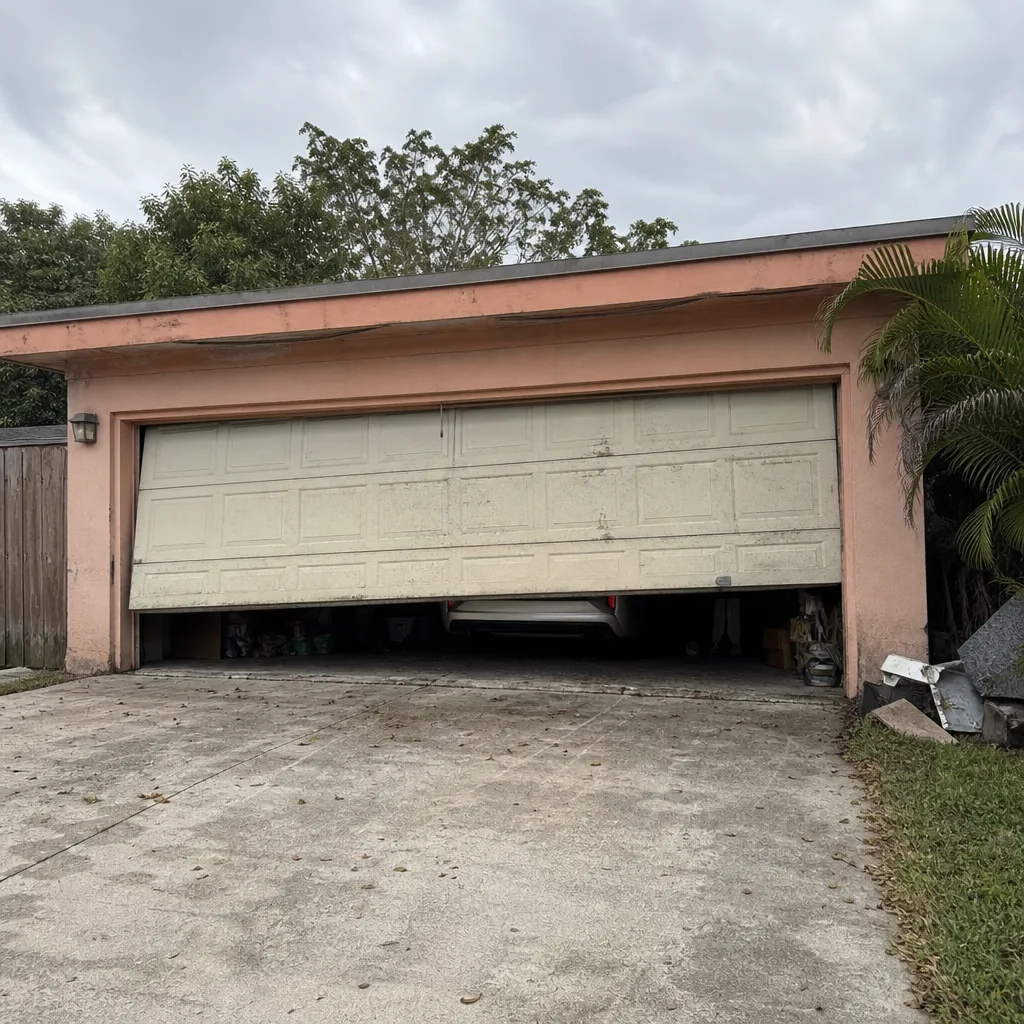 Before
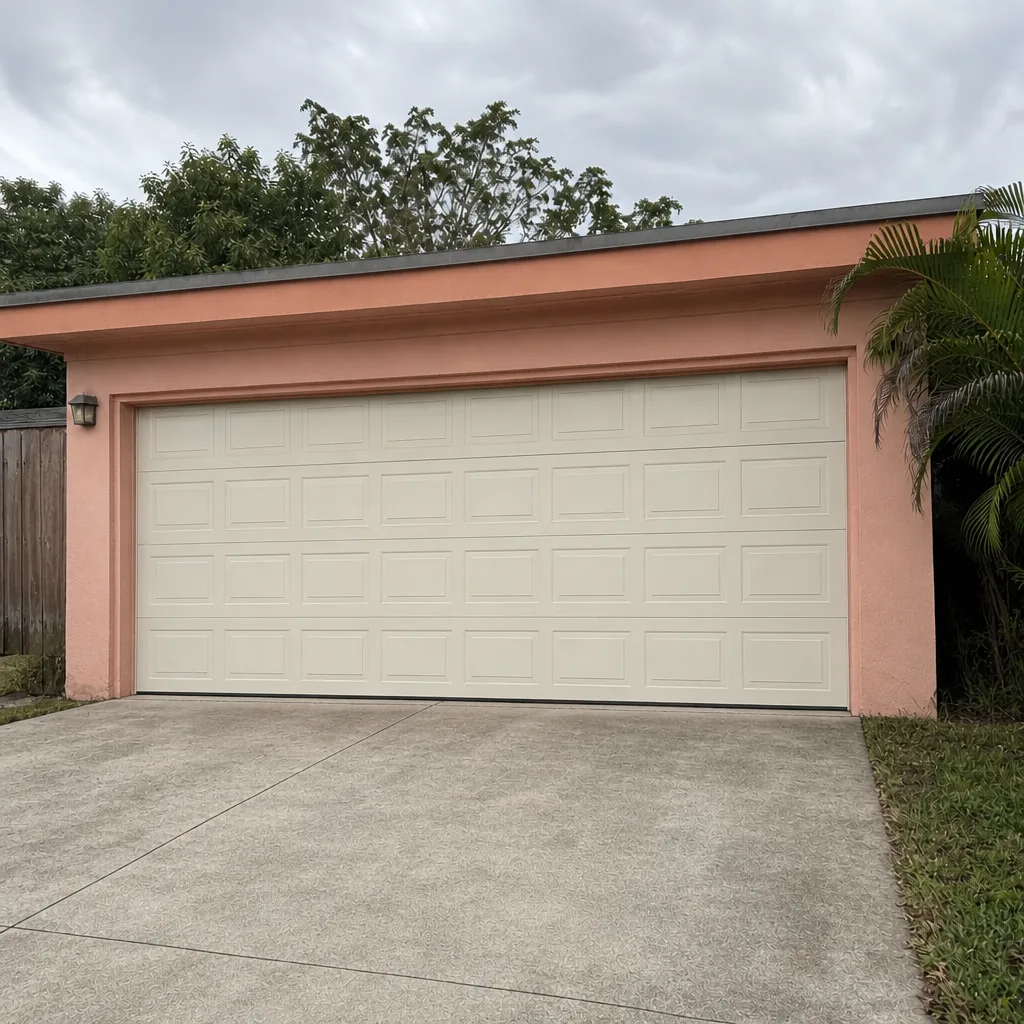 After
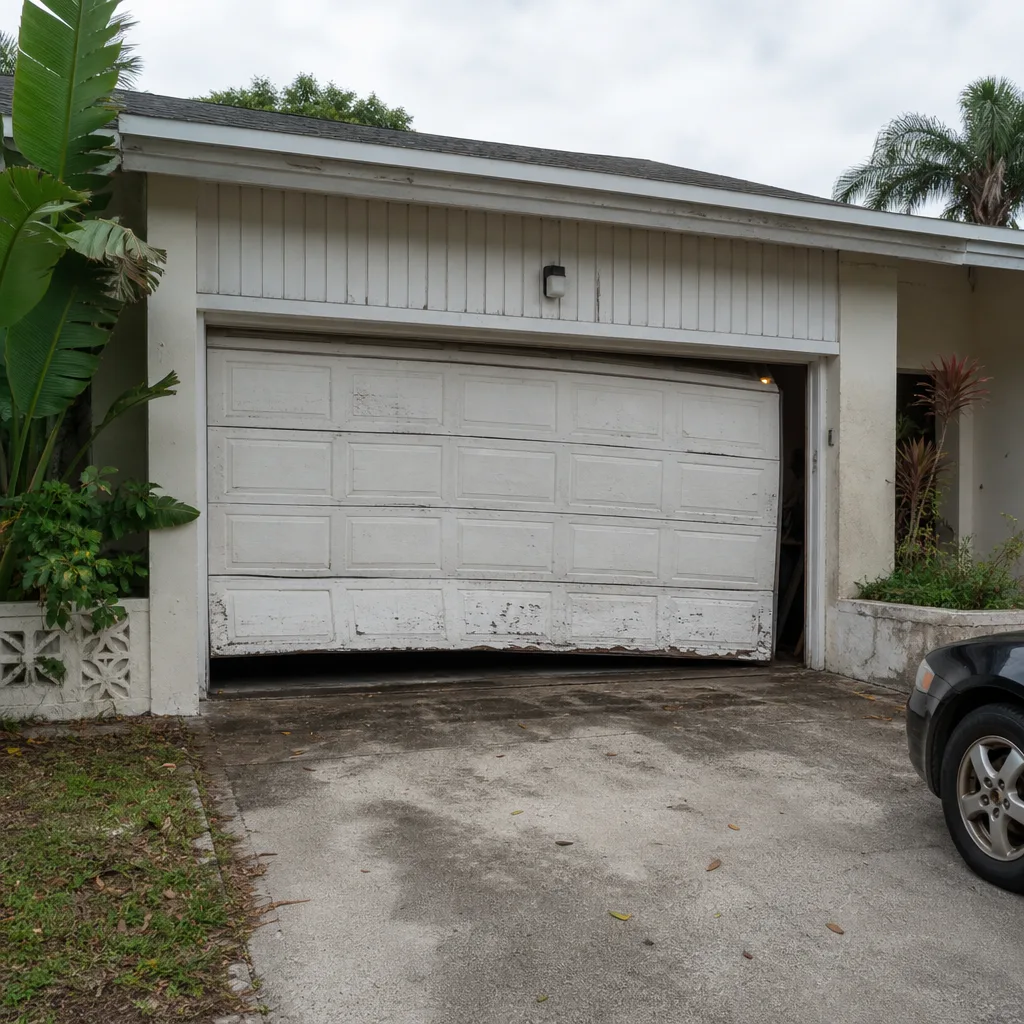 Before
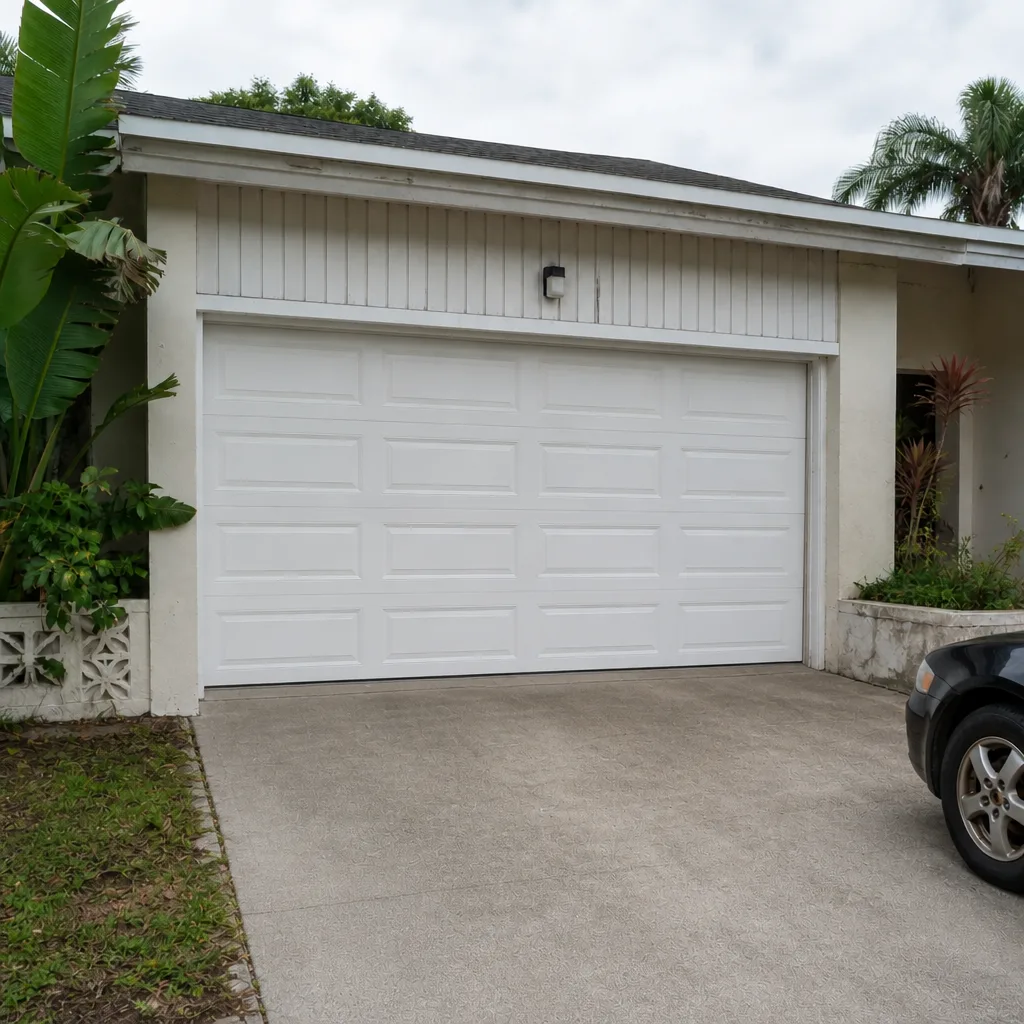 After
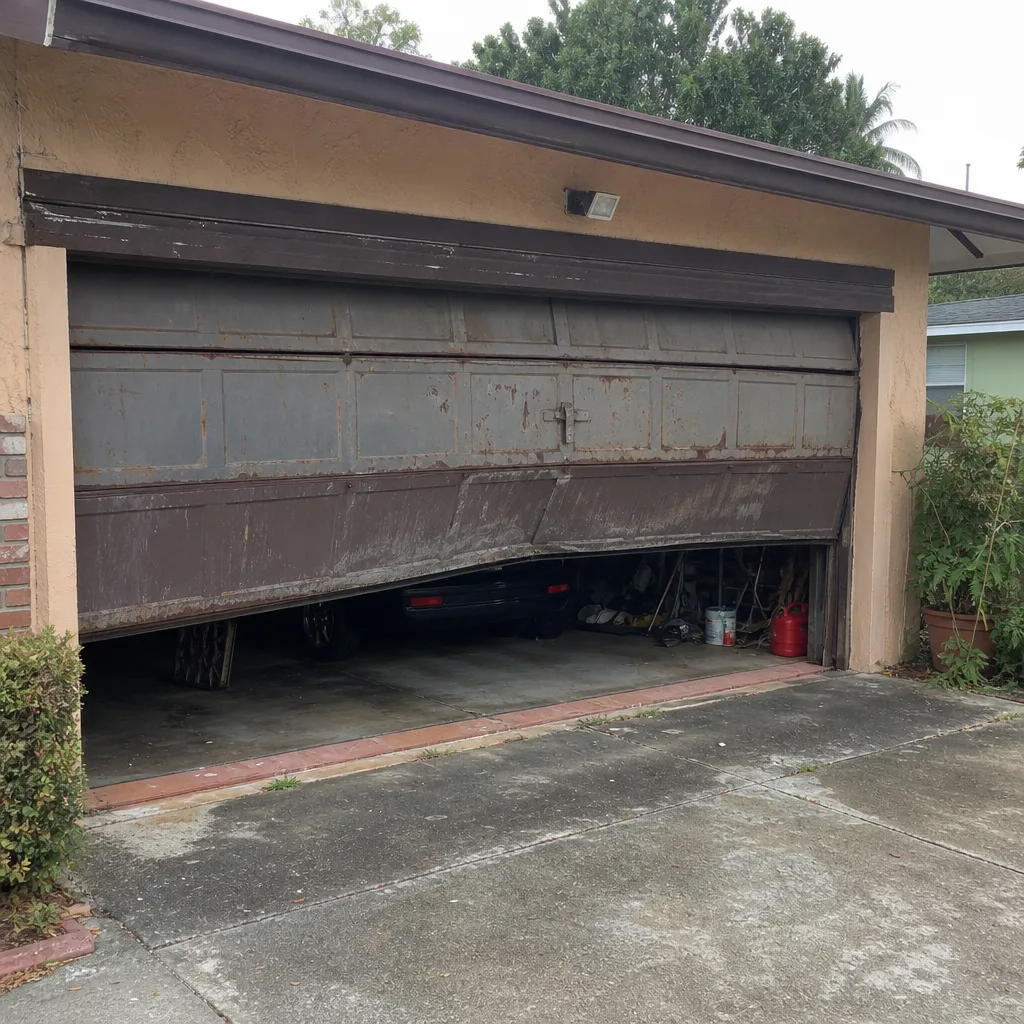 Before
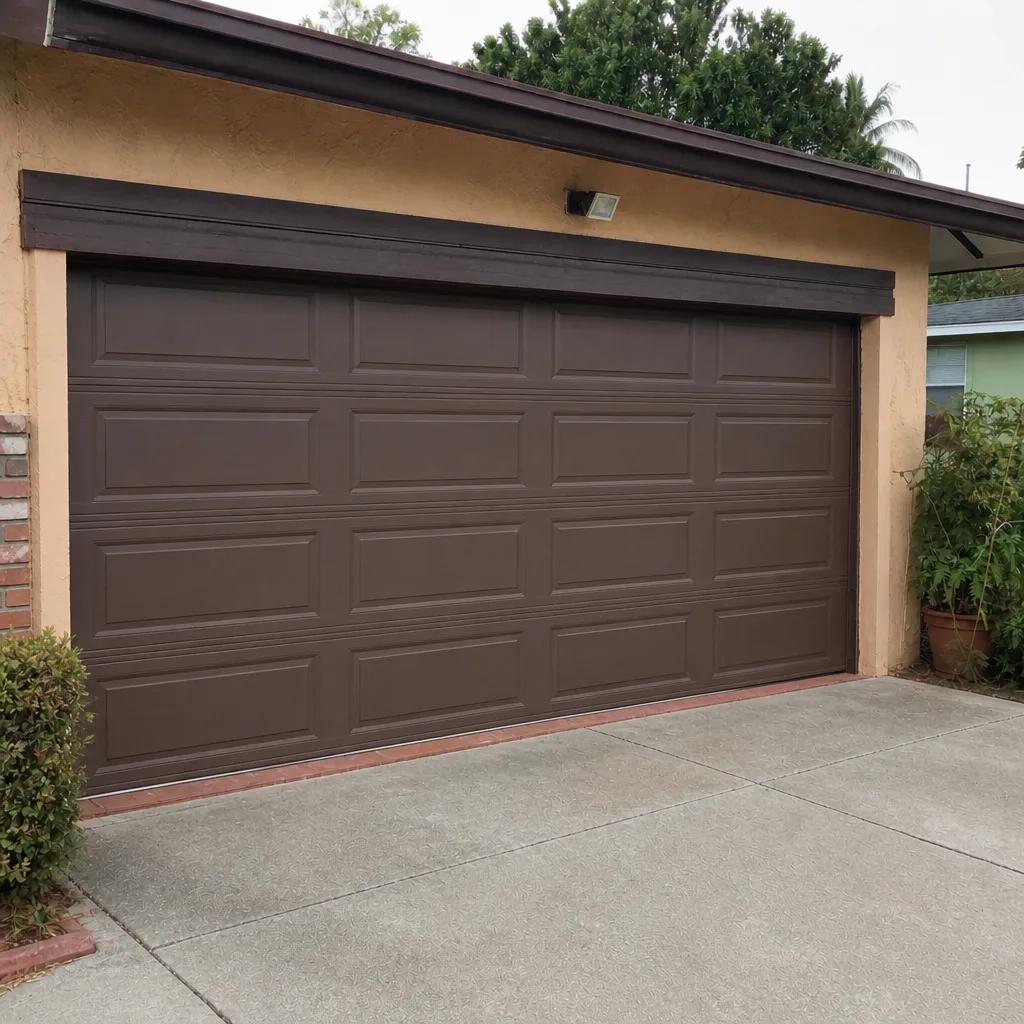 After
When to Call a Professional
Some maintenance is a homeowner task: checking seals, testing the manual release, clearing debris from the tracks. Some isn’t. Call a professional if the door feels heavy when you lift it, if you hear a pop or clunk during operation, if the door is uneven at the bottom, if any bracket is loose, if a spring is visible broken, if the opener stops partway through a cycle, or if the door has taken storm damage you’re not sure is cosmetic. Spring work in particular should never be a DIY task, even to look at more closely.
Miami Gardens Garage Door Repair Pros offers free estimates in Miami Gardens. Call (833) 468-5952 and we’ll schedule a technician who works on the brand already in your garage.
Frequently Asked Questions
Twice a year: once in April or May before hurricane season, and once in December or January at the start of the dry season. Each checkup focuses on different components, so two shorter visits a year catch more than one longer annual service. Between visits, homeowner-level checks like the manual release test and a visual seal inspection help you catch changes early.
Wind-driven rain and storm-driven pressure during hurricane season are the obvious risks, but the biggest one we see is deferred maintenance on a door that’s working fine. A door with a slightly loose anchor or a bent track can survive a typical thunderstorm and still fail in a named storm. The April – May checkup exists to catch those small problems before they matter.
Only if the door was engineered and rated for the bracing system you’re adding, and it was installed as part of that rated system. Aftermarket bracing bolted to a non-rated door doesn’t increase its wind resistance, and it can damage the panels and void whatever warranty the door carries. If you want a storm-rated door, the right approach is a new door built and installed to the rating, which is a dry-season conversation, not a last-minute one.
Yes, in two ways. Year-round cycling runs down the spring’s cycle life faster than in a cooler climate where the door sits unused for months, and the constant expansion and contraction from heat and humidity cycling adds fatigue. We see torsion springs fail earlier here than the same springs would in a cooler location.
Stop operating it and call a technician. A door that won’t close flush usually has a bent track, a panel out of alignment, or an anchor that’s pulled away from the wall. None of those are safe to force closed, and running the opener again can make the damage worse. We can diagnose the cause and give you a written estimate before any work starts.
In almost all cases, no. Seasonal maintenance catches worn seals, loose anchors and early spring fatigue while they’re still small fixes. Waiting for a failure typically means emergency repair at a moment when you don’t have time to compare options, which is rarely the cheaper path. A free estimate at your checkup tells you what’s actually needed.
The Bottom Line
Miami Gardens runs on a two-season garage door calendar, not a four-season one. The April – May pre-hurricane walkthrough is about anchors, tracks, the manual release, panel condition and weatherstripping. The December – March dry-season check is about UV seals, opener heat tolerance and lubrication. Year-round, the continuous cycling and humidity cycling here accelerate spring fatigue in ways that a colder climate protects against. Handle both windows, skip the aftermarket bracing, leave spring work to a technician, and your door will handle storm season better than most. When something does need repair, we’re one call away.
Call (833) 468-5952 for a free estimate on repair, opener service, spring replacement, or a new door. Whether you’re getting ready for hurricane season or chasing a dry-season problem, we’ll tell you what you’re actually looking at, quote the price before any work starts, and fix the right thing the first time.
Written by the team at Miami Gardens Garage Door Repair Pros.