Last updated November 22, 2026
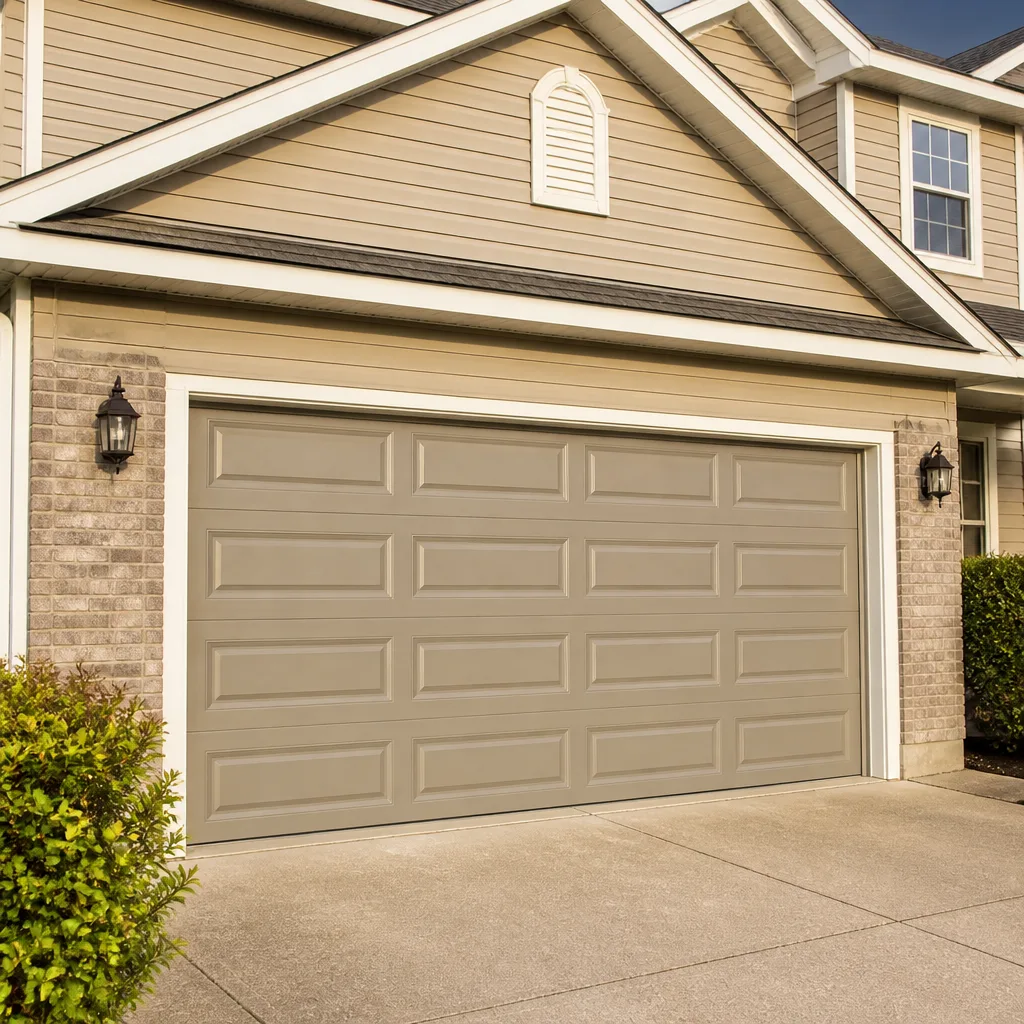 Raised-panel steel
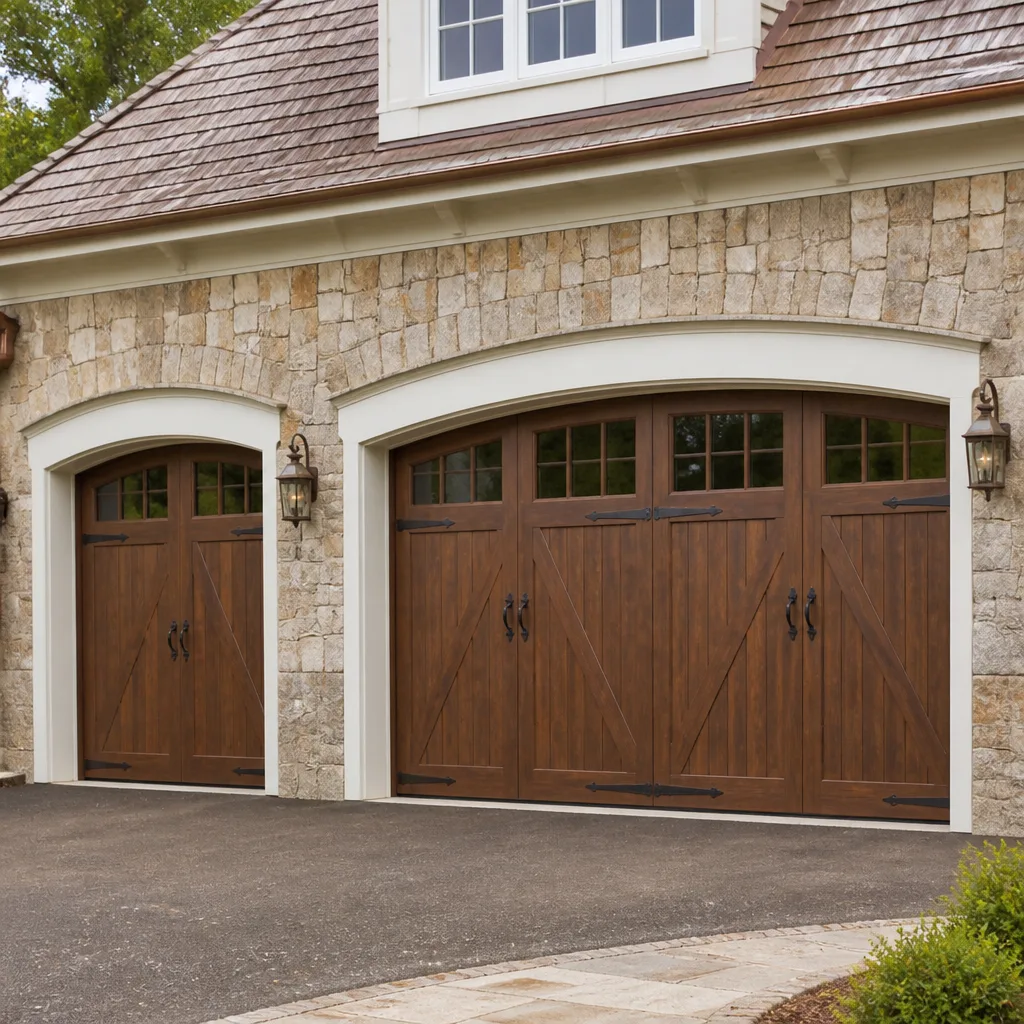 Carriage house
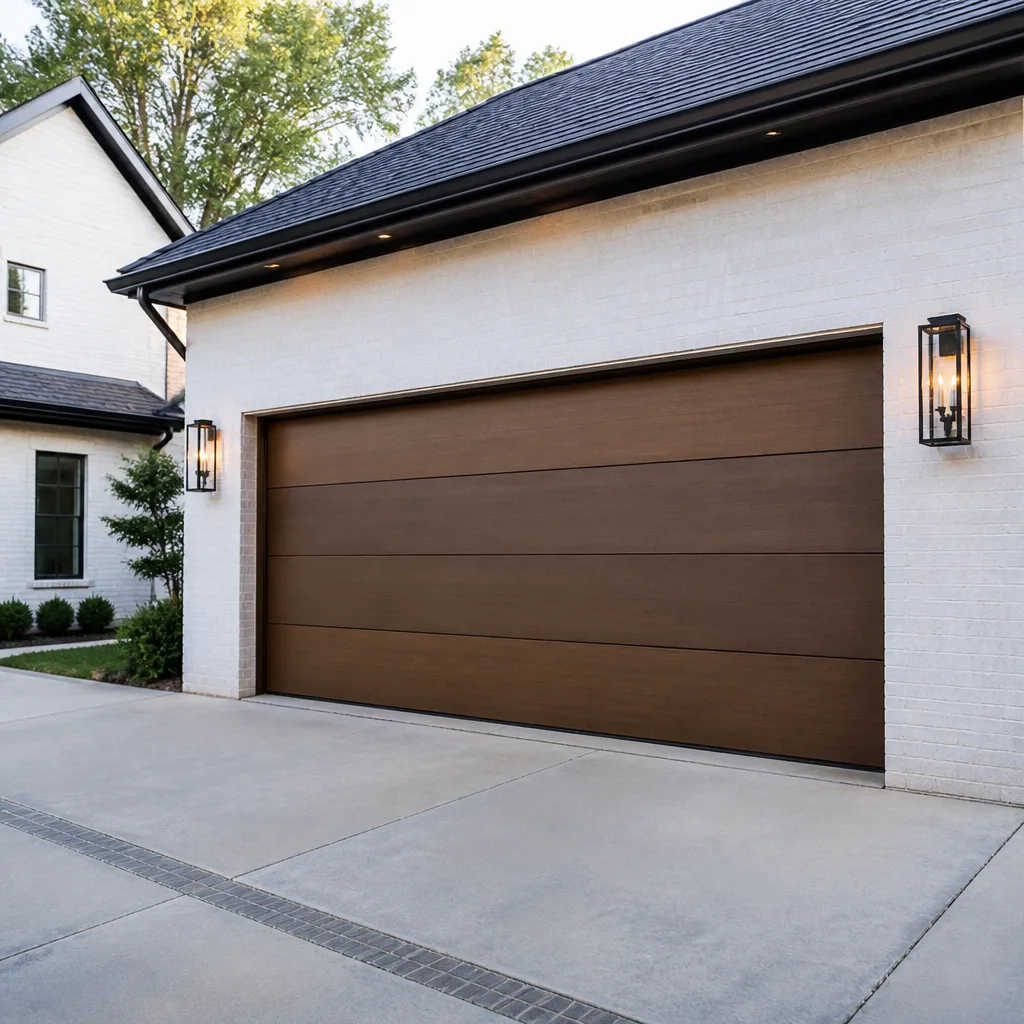 Modern flush
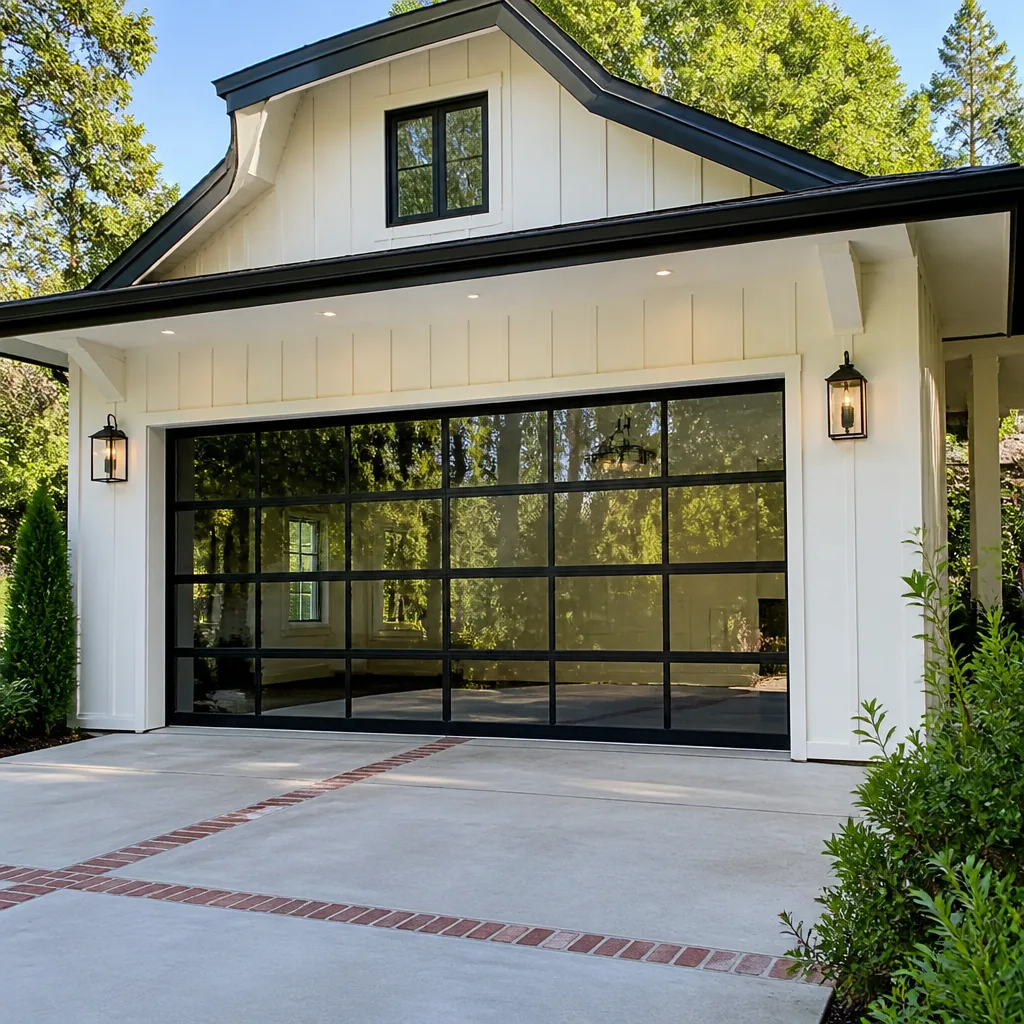 Full-view glass
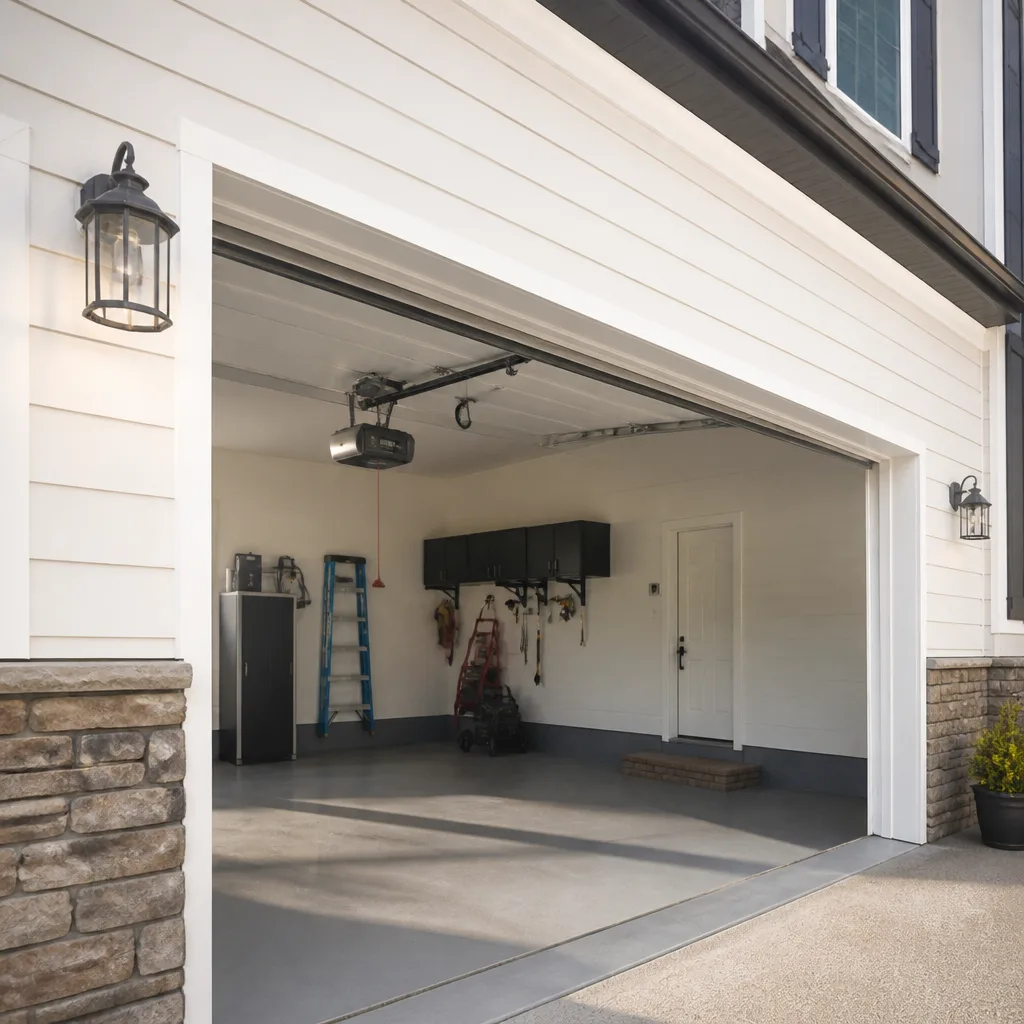 LiftMaster openers
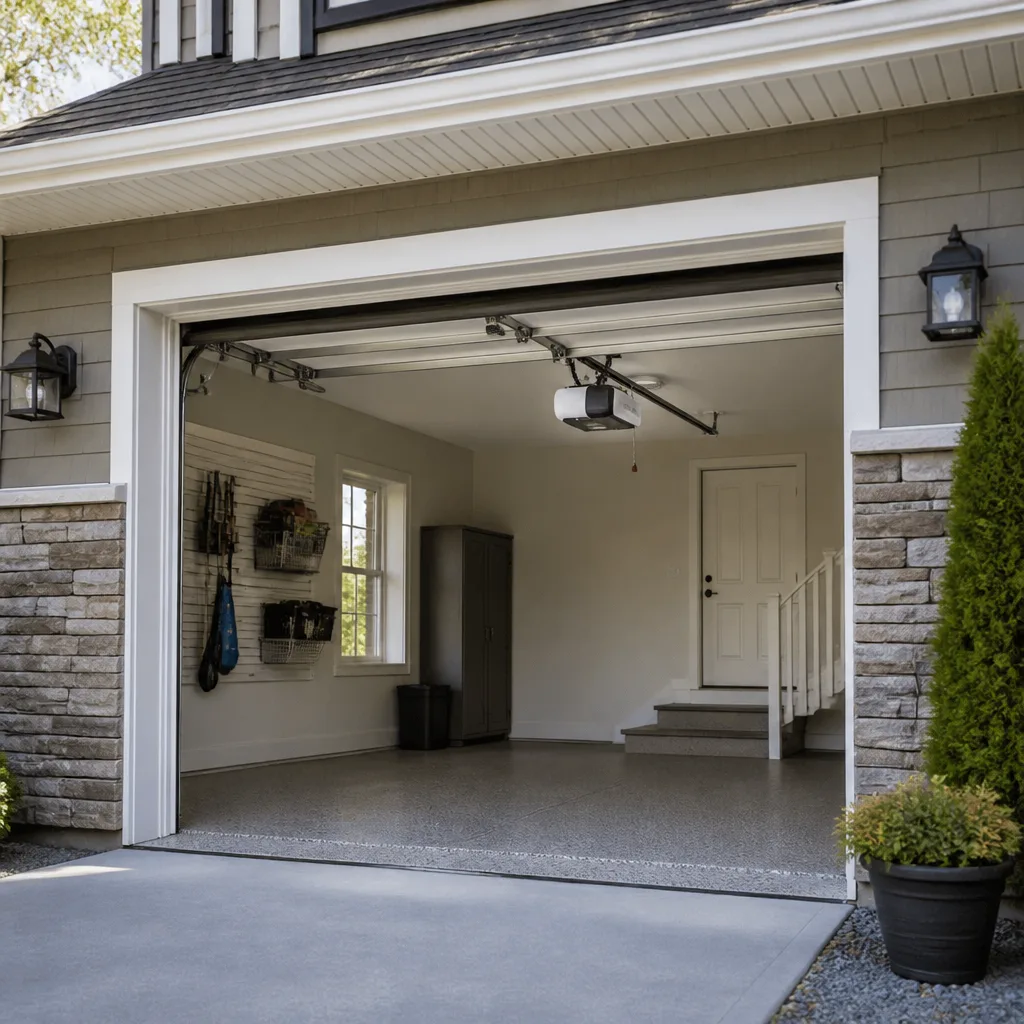 Chamberlain openers
Full 25-point door and opener safety check with every visit - springs, cables, rollers, tracks, and your LiftMaster or Chamberlain opener included
You get a price before we start. It does not change when the pro arrives.
Get your free estimateHow to Hire a Garage Door Contractor in Miami Gardens: A Step-by-Step Guide
Most homeowners hire on price. That’s the mistake. In Miami Gardens, your garage door is classified as part of your wind-borne debris protection, and the contractor you pick determines whether that protection holds up on paper as well as in a storm. A door installed by someone who skips permits, or who can’t produce a product approval number, can leave you exposed when you file a claim. Price matters, but it’s the third question, not the first. This guide walks you through how to verify a contractor’s Florida license and Miami-Dade County competency card in minutes, what to ask about product approvals, the South Florida red flags worth walking away from, and how to read competing quotes when nothing lines up line-for-line.
Quick Answer
Hire a garage door contractor in Miami Gardens by verifying three things before you talk price: a current Florida license through the DBPR, a Miami-Dade County competency card for the trade, and liability coverage you can confirm. Then ask for the Miami-Dade NOA product approval numbers on any impact-rated door they propose, require the permit conversation up front, and compare quotes only after you’ve normalized the line items. A licensed contractor will answer all of it without hesitation.
Styles & brands we work with
- Raised-panel steel
- Carriage house
- Modern flush
- Full-view glass
- LiftMaster openers
- Chamberlain openers
Table of Contents
- Why Hiring in Miami Gardens Is Different From Anywhere Else
- How to Verify a Contractor’s License in Under 3 Minutes
- What You Need to Know About NOA Product Approval
- Red Flags Specific to South Florida
- How to Compare Quotes When Line Items Don’t Match
- What the Contract Should Say About Disposal and Old Hardware
- Questions to Ask Before You Sign
- Common Mistakes to Avoid
- When to Call a Professional
- Frequently Asked Questions
Why Hiring in Miami Gardens Is Different From Anywhere Else
Garage doors in most of the country are convenience equipment. In Miami Gardens, they’re part of the building envelope. That single fact reshapes every hiring decision, because the door that keeps your car safe also carries a job it wasn’t asked to do in Ohio: resisting wind pressure during a storm event.
Miami-Dade County has its own product approval system, separate from statewide approvals. Products used in the county’s High Velocity Hurricane Zone have to be tested and certified to standards the county sets, and each qualifying product carries a Notice of Acceptance, or NOA. That’s a document a manufacturer earns, not a contractor. So when a contractor proposes a door, the question is whether that exact model and its installation method are covered by a valid NOA.
Miami Gardens adds another layer. The city runs its own permitting and inspection process, and work that changes or replaces a garage door generally needs a permit. Contractors who skip it aren’t saving you money, they’re moving the risk onto your property record. When you go to sell, or when you file a claim, the paper trail is what matters.
The housing stock here matters too. Much of Miami Gardens was built in the mid-century through the 1980s, which means a lot of single-car and two-car garages with older torsion spring systems, builder-grade openers, and doors that have been repainted more than they’ve been serviced. Heat and humidity do their own work on steel, wood, and the springs themselves. A contractor who knows this housing stock will look at the whole assembly, not just the part that broke.
For a deeper look at what our technicians handle day to day, see Miami Gardens Garage Door Repair Pros.
How to Verify a Contractor’s License in Under 3 Minutes
You can confirm a contractor’s credentials faster than it takes to make coffee. Two checks cover it: the state license and the county competency card. Do both before anyone comes out.
- Look up the state license. Go to the Florida Department of Business and Professional Regulation (DBPR) license lookup. Search by the company name or the individual’s name. You’re checking that the license is active, not expired, and that the license type matches garage door or general contracting work. Note the license number; it should appear on the written estimate.
- Ask for the Miami-Dade County competency card. The county issues competency cards to contractors qualified to work in specific trades. Ask the contractor to show it. If they can’t produce one, that’s your answer.
- Match names. The name on the license, the name on the contract, and the name on the insurance certificate should all be the same entity. A mismatch is a warning sign, not a technicality.
- Confirm insurance. Ask for a certificate of insurance showing general liability coverage. A legitimate contractor will send it without being asked twice. Note the policy’s expiration date.
- Check the permit history. Ask the contractor how many permits they’ve pulled in Miami-Dade County recently. Someone who works here regularly will answer without pausing.
Three minutes spent on the DBPR lookup is worth more than any referral. Even a neighbor’s recommendation should get the same check, because a well-meaning friend doesn’t know whether a contractor’s license lapsed last year.
What You Need to Know About NOA Product Approval
A Notice of Acceptance is Miami-Dade County’s certification that a specific product meets the county’s wind-load and impact standards when installed a specific way. It’s not a general endorsement of a brand. It’s a document tied to a model number, a size range, and an installation method.
When a contractor proposes an impact-rated door, ask for the NOA number. A legitimate contractor should be able to cite it, and should be able to tell you what the NOA covers.
- The NOA number itself. Ask them to write it down. It should be traceable through the county’s product control database.
- The exact model. The NOA covers a model or model series, not a whole manufacturer’s catalog. A door with the same brand name and a different model may not be covered.
- The installation method. Impact doors typically require specific anchoring, track reinforcement, or header details. The NOA describes the required installation, and the installation has to match it. This is where unlicensed work goes wrong most often.
- Whether your existing opening will accept it. An NOA-approved door that doesn’t fit your opening correctly is not doing its job.
Doors from Clopay, Amarr, Wayne Dalton, and Raynor all have product lines with Miami-Dade approvals. But the approval is on the model, not the label on the showroom wall. Ask the question and watch how the contractor answers. Someone who does hurricane-zone work in Miami Gardens will know exactly what you mean and will have the documentation ready.
For a full breakdown of what’s involved in a replacement, see our page on garage door repair.
Red Flags Specific to South Florida
Some hiring warnings are universal: no written estimate, no insurance, pressure to sign today. South Florida adds a few of its own, and they show up most often after a storm, when demand spikes and out-of-area crews appear in Miami Gardens neighborhoods looking for quick work.
- Discounting hurricane-rated doors as “overkill.” A contractor who suggests you skip the impact rating to save money is telling you they don’t understand the local code. The rating isn’t a luxury upgrade. It’s what the county requires.
- Avoiding the permit conversation. If a contractor says permits aren’t necessary for a door replacement, or offers to “handle it under the table,” walk away. Permit records protect you later, and no legitimate contractor treats them as optional.
- No NOA on hand. A contractor who can’t tell you what product approval applies to the door they’re proposing hasn’t done this work in Miami-Dade County very often. Or they’re hoping you won’t ask.
- Vehicle with no company name and no physical address. Unlicensed operators often work out of a personal vehicle and can’t give you a verifiable business address. You want someone accountable, not anonymous.
- Cash-only, no contract. A written contract is not a formality. It’s how you enforce what was agreed. Cash-only work with no paperwork leaves you with no recourse.
- Pressure after a storm. The days immediately following a named storm bring a wave of out-of-town crews. A legitimate contractor doesn’t need to pressure you to sign the same day. They’ll schedule a proper assessment and quote in writing.
None of these red flags requires expertise to spot. They require patience. The homeowner who gets three quotes and checks each one’s license is the homeowner who doesn’t end up with a problem.
How to Compare Quotes When Line Items Don’t Match
Comparing garage door quotes is harder than it looks, because contractors itemize differently. One quote bundles removal, disposal, and installation into a single number. Another breaks every screw into a line. Side-by-side, they look like completely different jobs, and the lower number isn’t always the lower cost.
The fix is to rebuild each quote into the same structure before you compare. Here’s the framework we suggest:
- Create a common list of line items. Door model and size, hardware, springs, tracks, opener (if included), labor, permit fees, removal, disposal, and any window or design upgrade. Compare each quote against this shared list.
- Normalize the door. If one quote includes a door with a higher wind rating or a better warranty than another, you’re not comparing the same product. Ask each contractor to quote the same model, or note the difference.
- Separate labor from materials. A bundled quote hides whether the labor rate is standard or padded. Ask for the split. A legitimate contractor will provide it without hesitation.
- Check what’s excluded. Look for phrases like “does not include permit fees” or “disposal is the customer’s responsibility.” Those exclusions change the total significantly.
- Confirm whether springs and hardware are in the price. Some quotes replace the door but reuse the old springs. That’s a false economy. Springs are wear items and they should be quoted explicitly.
- Ask for a written, signed estimate. The written estimate sets the final price. If the numbers only exist in a text message, they aren’t a quote.
For a service like garage door spring repair, line-item comparison is simpler because the scope is narrow. For a full replacement, the rebuilding exercise is worth the effort.
What a Typical Quote Should Include
- Door model, size, and color, with the NOA number if impact-rated
- Track and hardware replacement or reuse (stated explicitly)
- Springs: torsion or extension, new or reused
- Opener: brand, model, and whether it’s included
- Old door removal and disposal
- Permit pulling and inspection coordination
- Labor and total
- Warranty terms for the door and for the labor
A quote that covers all eight of those isn’t overselling. It’s telling you exactly what you’re getting, which is the only way to compare it fairly.
What the Contract Should Say About Disposal and Old Hardware
This is the most commonly overlooked line in a garage door contract. Old panels, old tracks, old springs, and old opener components all have to go somewhere. If the contract doesn’t say who’s responsible, you’re the one loading a door into a truck.
Ask three questions:
- Is removal and disposal included in the quoted price, or is it separate? Get an answer in writing without assuming. Many quotes surprisingly don’t include hauling.
- Who’s taking what? Old panels are one thing. Old springs are another, and they carry their own risk. Old openers, rail systems, and photoelectric sensors are easy to forget but still have to go somewhere. The contract should list them.
- Are there recycling considerations? Tracks and hardware are metal and can be recycled. Steel panels usually can be. Wood doors may need special handling. It’s a minor detail until it lands on you.
Also ask what happens to the old door when the new one is installed. In most cases, the old door is removed the day of installation, and the truck doesn’t leave with a door still in the driveway. But ask. A contract that specifies disposal is a contract written by someone who’s done this before.
Questions to Ask Before You Sign
A short list, asked in one phone call, separates the specialists from the generalists. In our experience, a contractor who knows garage doors will answer each of these without reaching for a script.
- Are you licensed and insured, and can you send the certificate? One question, two documents.
- Do you pull the permit, and who handles the inspection? The contractor should own the permit process from start to finish.
- What’s the NOA number on the door you’re proposing? If they can’t cite it, try another contractor.
- What’s the warranty on the door and the labor? A warranty that covers the door but not the install is a half warranty.
- Who does the work, and does the technician know my brand? Ask about the specific opener and door brand. Wayne Dalton, Craftsman, Raynor, and LiftMaster systems all have their own quirks. A technician who knows them isn’t learning on your door.
- What’s the price in writing? Not a verbal estimate. A written quote, signed, covering the full job.
For opener work specifically, our garage door opener repair page covers the brand familiarity question in more depth.
Common Mistakes to Avoid
- Picking the lowest quote without normalizing the line items. A cheaper quote that excludes the permit, disposal, and new springs isn’t cheaper. It’s incomplete. Rebuild each quote into the same structure before you decide.
- Skipping the permit to save time. In Miami-Dade County, a garage door replacement generally requires a permit. A contractor who offers to skip it is putting you in a bad position down the line, even if nothing goes wrong on the install.
- Not asking for the NOA. If the door isn’t impact-rated and approved to Miami-Dade standards when required, you may have paid for a door that doesn’t perform the function the code demands. Ask for the paperwork.
- Letting a storm-season crew pressure you. Out-of-area contractors often move through Miami Gardens after a storm. If someone shows up unannounced and wants a deposit today, there’s a reason they can’t wait.
- Ignoring the opener while replacing the door. A new impact-rated door is heavier than an old standard door. If the opener is older or undersized, it won’t lift it well. Ask the contractor to check the opener against the new door’s weight and reinforce or replace it accordingly.
- Accepting a verbal estimate. A verbal price isn’t a price. Ask for a signed written quote with the full scope itemized. The written estimate is the number that counts.
- Forgetting to ask about disposal. A quote that doesn’t mention disposal means you may be moving a door yourself. Get it in writing.
When to Call a Professional
Some garage door problems are DIY-adjacent. A squeak, a misaligned track bolt, a sensor that’s been bumped. Most aren’t. Spring work sits at the top of the danger scale, because a torsion spring under tension can cause serious injury to someone who doesn’t have the training and the winding bars. That’s not a component to learn on.
Call a professional when the door won’t open or won’t close at all, when a spring has visibly snapped, when the door hangs unevenly on one side, when the opener runs but the door doesn’t move, or when the safety reverse fails. Call also when the door has taken storm damage, because the alignment and structural questions after a storm go well beyond cosmetic fixes. And call when you’re planning a replacement, because the NOA, permit, and installation requirements are not things to figure out after the fact. Miami Gardens Garage Door Repair Pros offers free estimates in Miami Gardens, so call (833) 468-5952 and we’ll take a look.
Frequently Asked Questions
Check the Florida DBPR license lookup for an active license, then ask for the Miami-Dade County competency card and a certificate of insurance. A legitimate contractor will provide all three without hesitation. Call (833) 468-5952 for a free estimate, and we’ll walk you through what to look for.
In most cases, yes. Talk to the City of Miami Gardens building department about your specific project before any work starts. A contractor who avoids the permit conversation is a contractor to skip. Call (833) 468-5952 to ask how we handle permits on our jobs.
A Notice of Acceptance is Miami-Dade County’s product approval confirming that a specific door model meets the county’s wind and impact standards when installed a specific way. Ask the contractor for the NOA number on the door they propose. If they can’t provide it, the door may not be approved for use in this county.
An itemized quote lists each cost separately: door, hardware, springs, opener, labor, permit, disposal. A bundled quote combines everything into a single number. Ask any bundled quote to be itemized before you compare it against another contractor. Call (833) 468-5952 and we’ll walk you through exactly what should appear on the estimate.
Yes, but the days after a storm bring out-of-area contractors working without licenses or permits. Check the license, ask for the NOA, and insist on a written contract. Don’t be rushed into a deposit by anyone who can’t show credentials.
Evaluate both. An impact-rated door is heavier than an older standard door, so the opener has to be rated for the new weight. If the existing opener is old or undersized, replacing it at the same time is often simpler than replacing it six months later. Call (833) 468-5952 to talk through the options.
The Bottom Line
Hiring a garage door contractor in Miami Gardens comes down to a short list of checks done before you talk price: confirm the Florida DBPR license, ask for the Miami-Dade County competency card, request the certificate of insurance, and get the NOA number on any impact-rated door. Ask about permits before anyone shows up. Compare quotes only after rebuilding each one into the same line-item structure, and make sure the contract specifies disposal of old panels and hardware. Price matters, but only after those boxes are checked. A written estimate, produced after the checks, is the number you can trust.
When you’re ready to schedule a free estimate, call Miami Gardens Garage Door Repair Pros at (833) 468-5952. Our technicians have up to 12 years of experience, and we work on the brand already in your garage.
Written by the team at Miami Gardens Garage Door Repair Pros.
See the difference
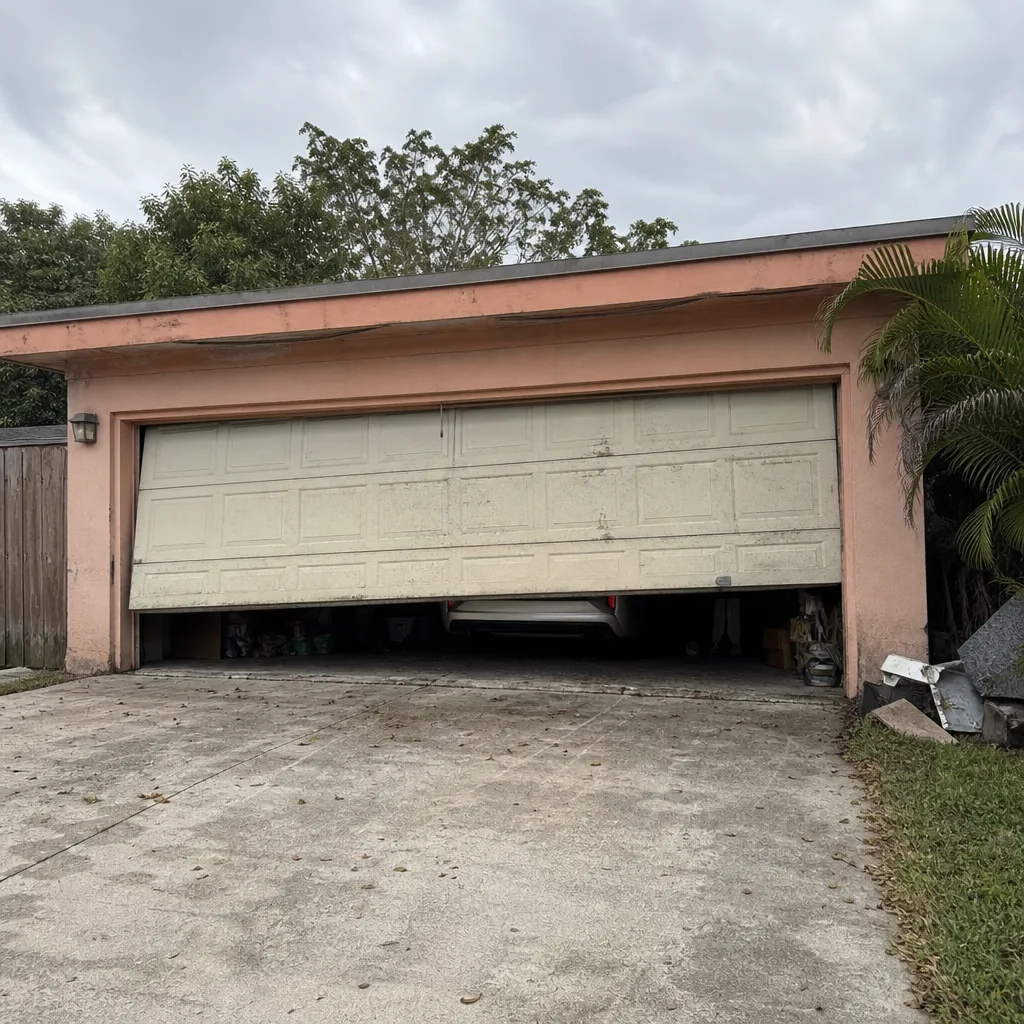 Before
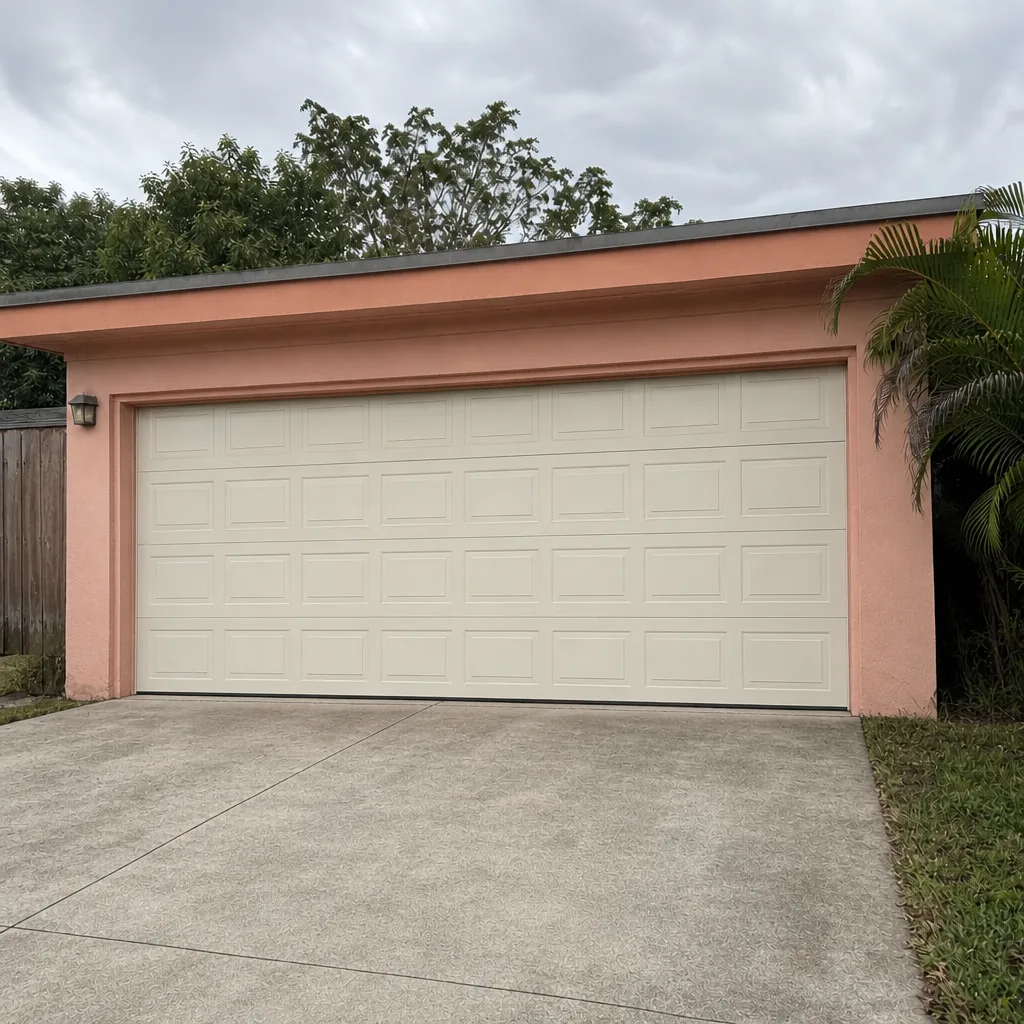 After
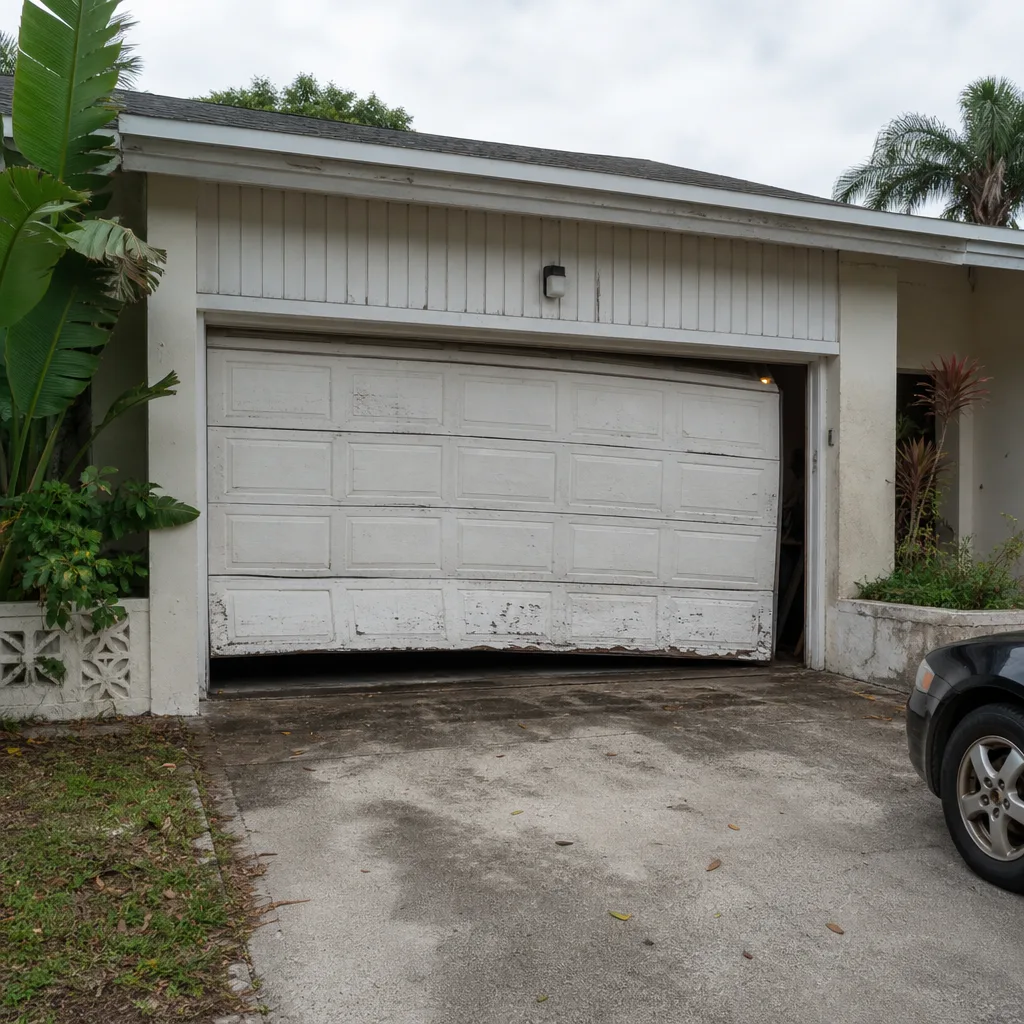 Before
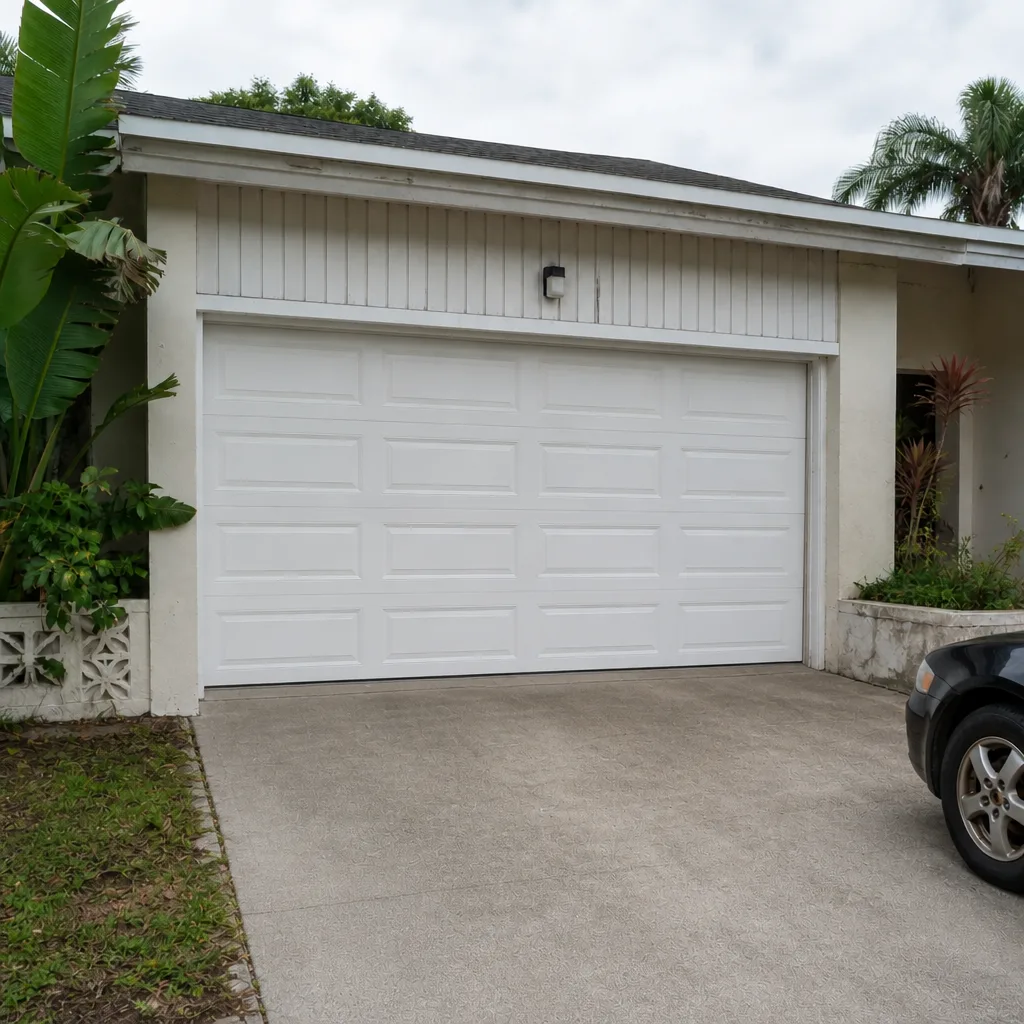 After
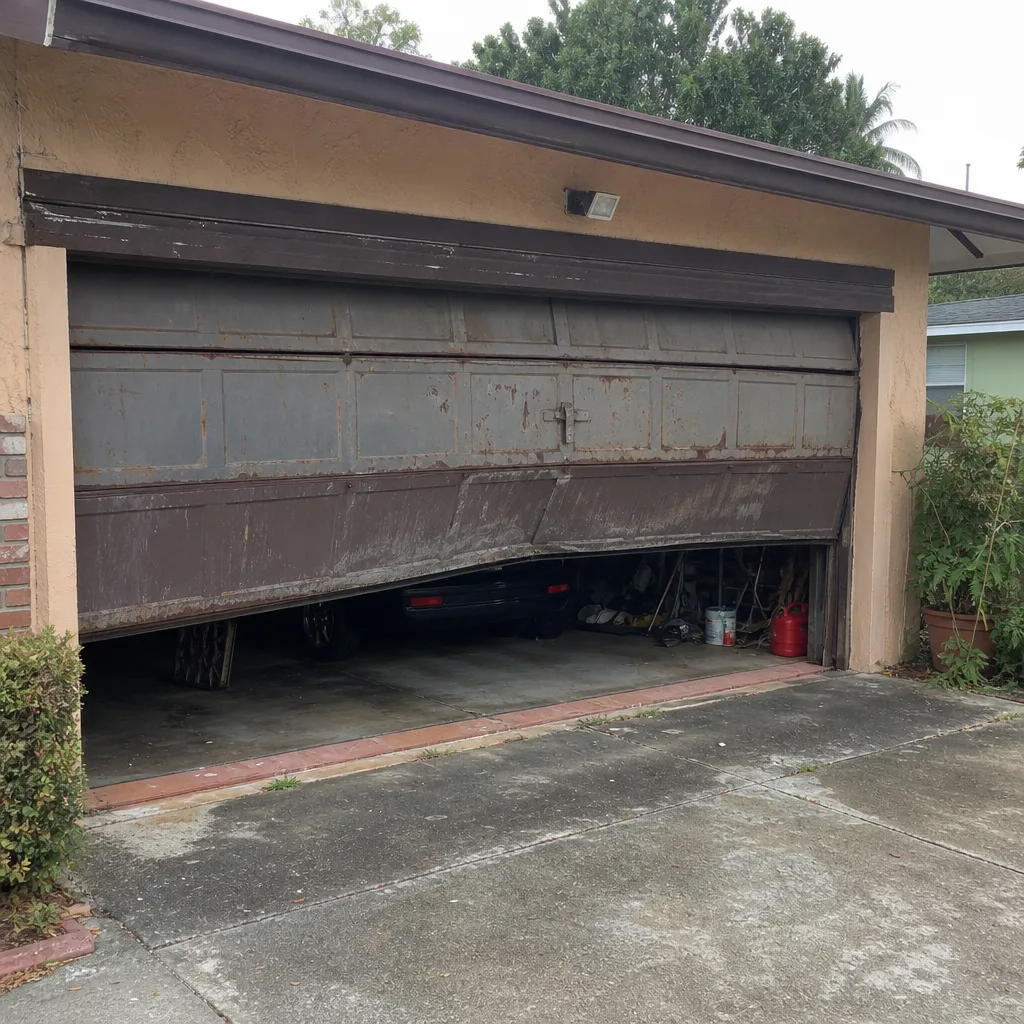 Before
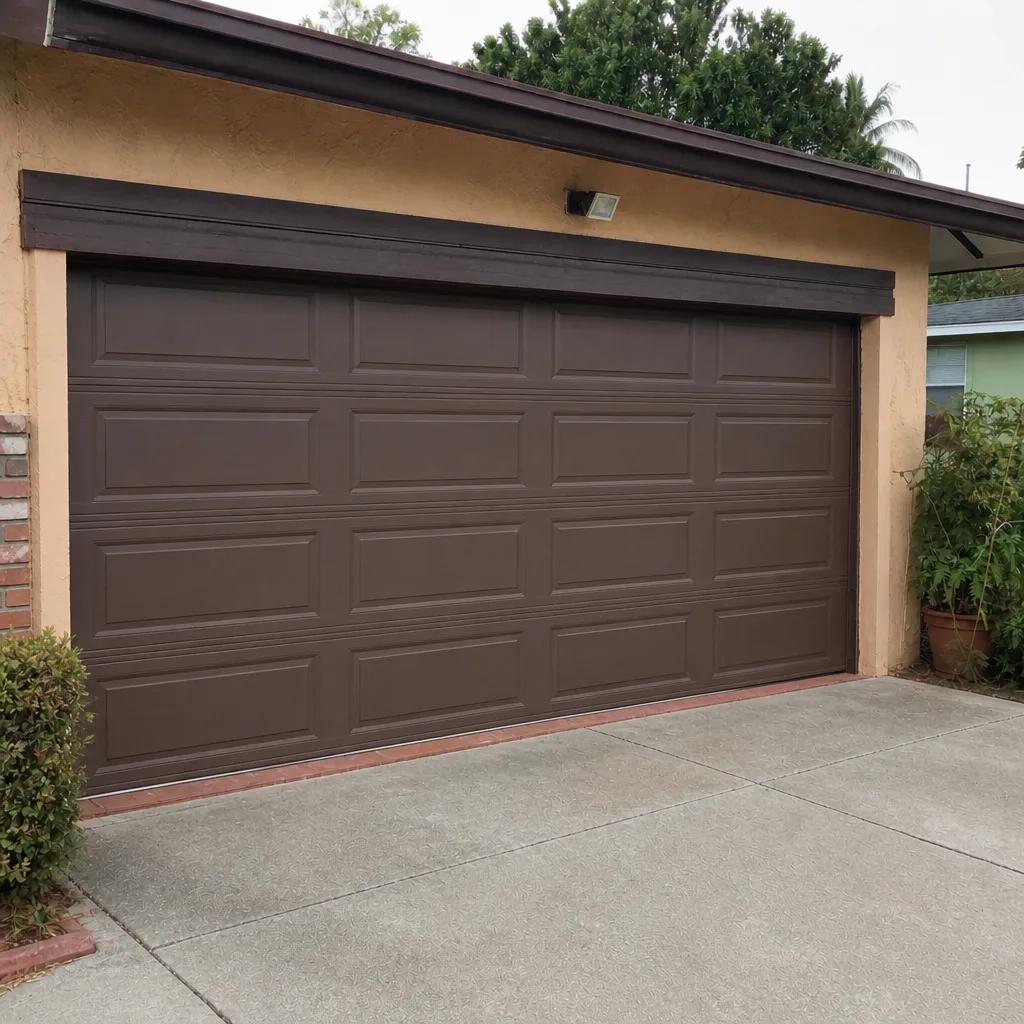 After