Last updated November 22, 2026
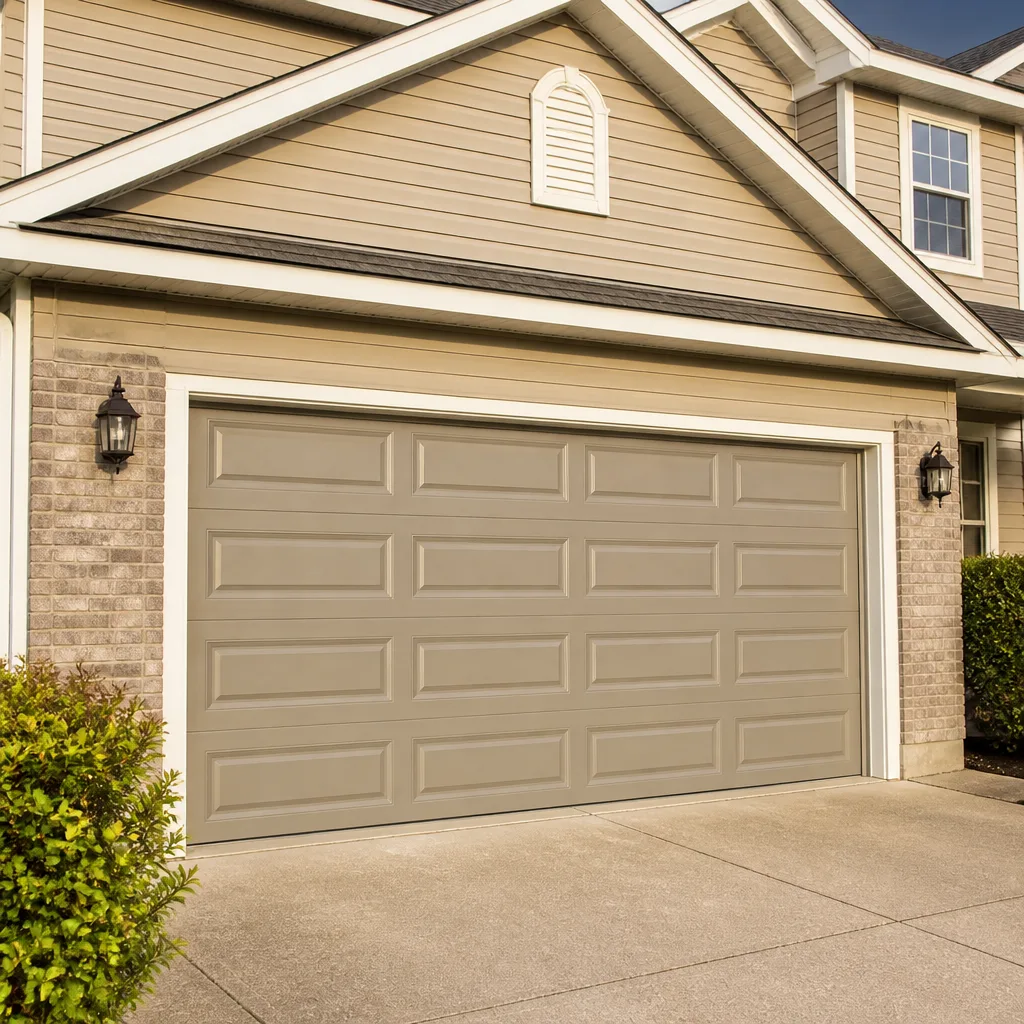 Raised-panel steel
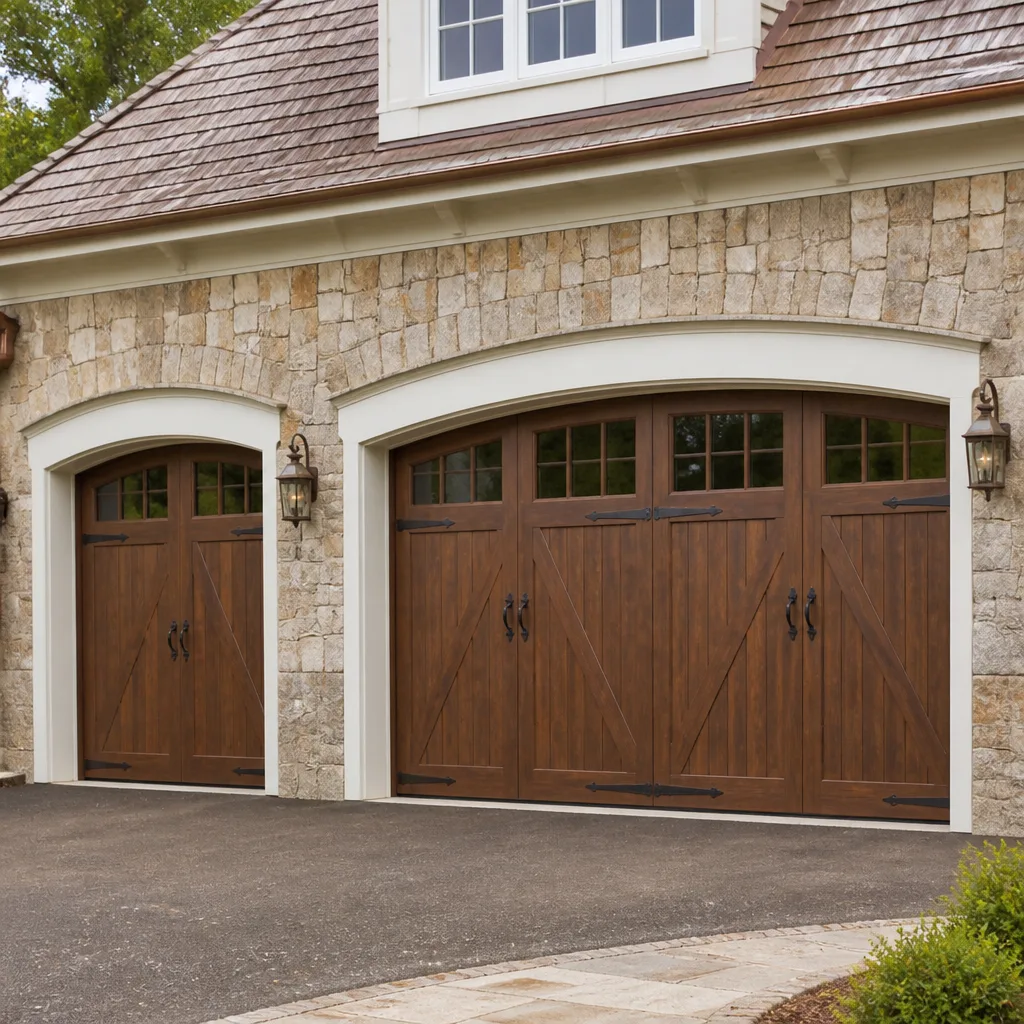 Carriage house
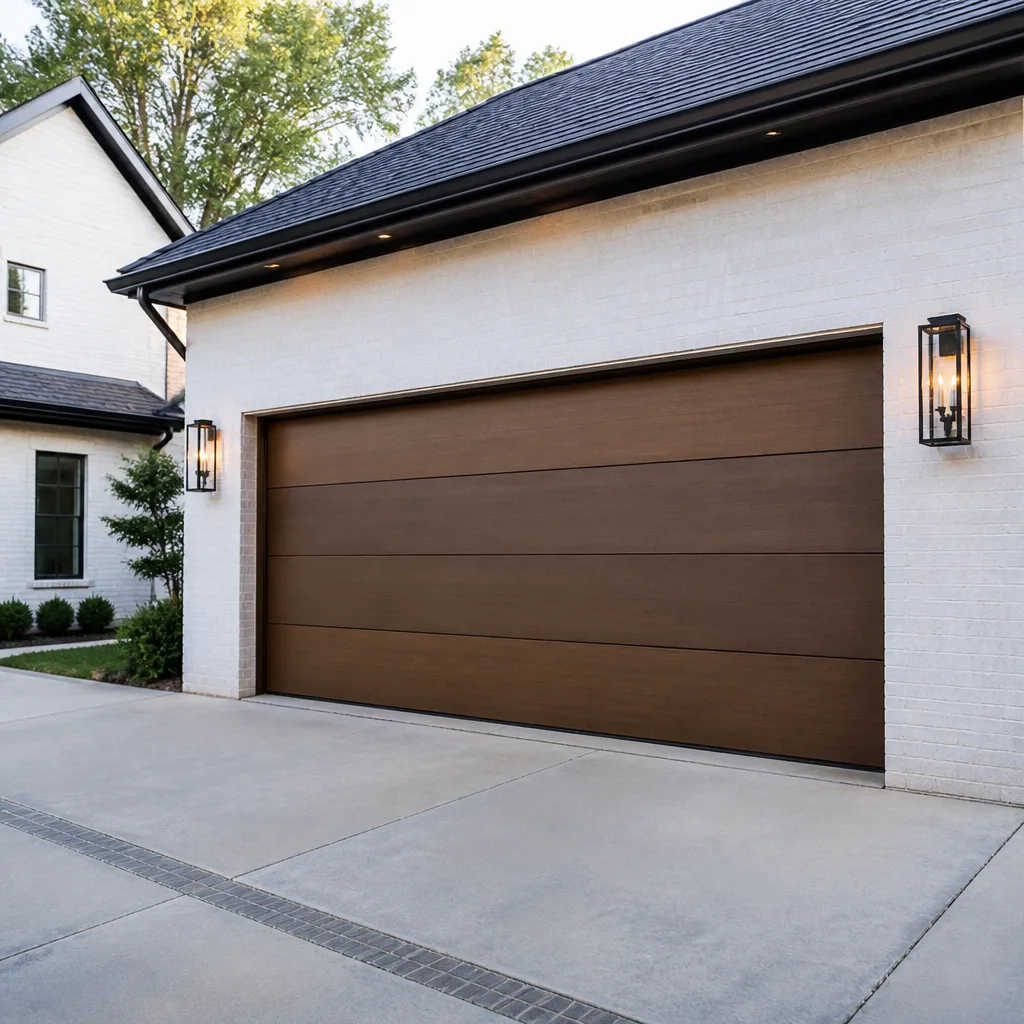 Modern flush
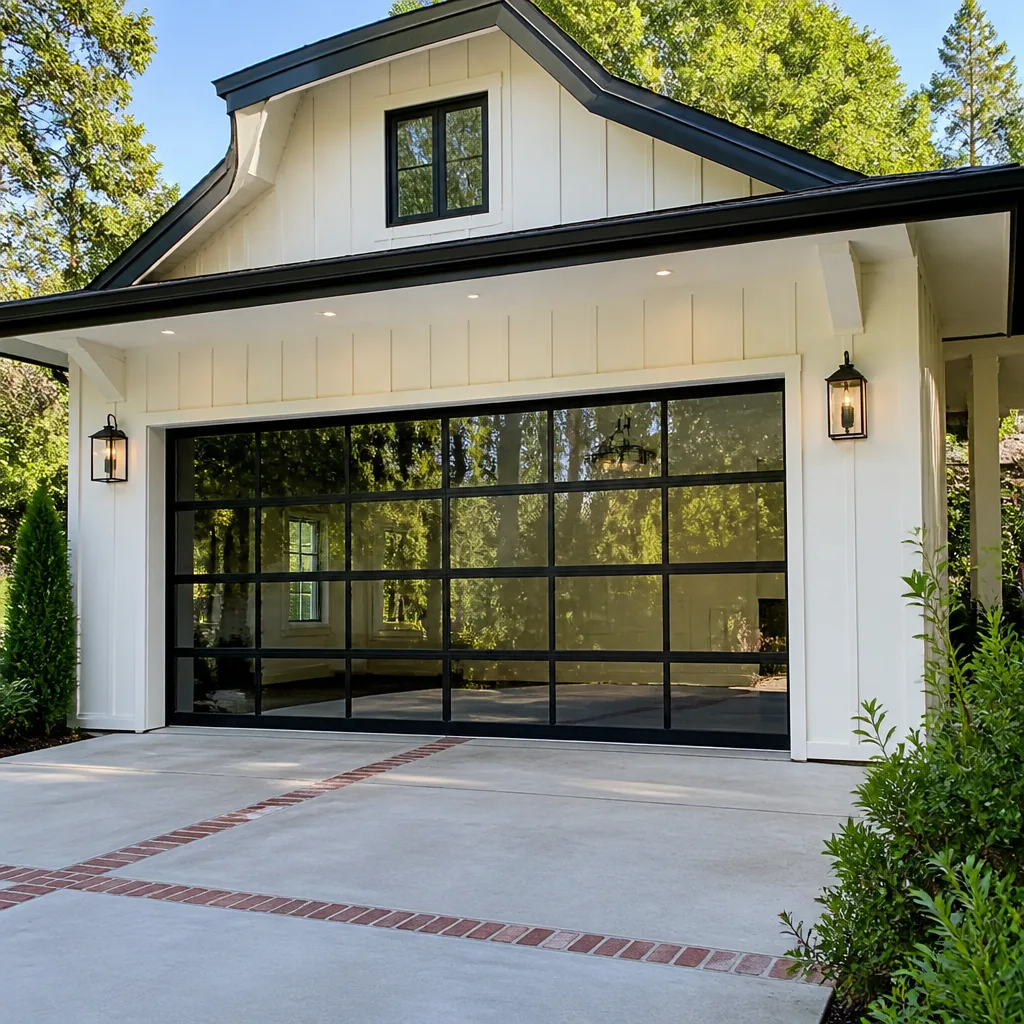 Full-view glass
 LiftMaster openers
 Chamberlain openers
Full 25-point door and opener safety check with every visit - springs, cables, rollers, tracks, and your LiftMaster or Chamberlain opener included
You get a price before we start. It does not change when the pro arrives.
Get your free estimateGarage Door Repair Maintenance Checklist for Miami Gardens Homeowners
The maintenance step most Miami Gardens homeowners skip isn’t lubrication. It’s the bottom weatherseal. That rubber strip along the floor takes the full force of South Florida sun, heat, and rain, and it’s usually the first thing to crack, harden, or tear loose after a heavy downpour. A failed seal lets water and pests in, throws off the door’s close, and quietly wears the opener as it strains to seat the door. Most published checklists were written for cold climates, full of freeze-thaw warnings that never apply here. This guide is sequenced for how doors actually fail in Miami Gardens: humidity, heat, and storm prep. You’ll get a monthly-to-annual schedule, the inspection points that matter in this climate, and clear lines for when to call a pro.
Quick Answer
Garage door maintenance in Miami Gardens comes down to a short monthly visual check, a deeper quarterly service, and a yearly tune-up – focused on the parts this climate punishes most: the bottom weatherseal, torsion bar and cable ends (rust), rollers (heat), and safety sensors (bug activity). Most homeowners can handle the monthly look-over in about 10 minutes; the quarterly and annual work involves springs, cables, and the opener, which are best left to a trained technician.
Styles & brands we work with
- Raised-panel steel
- Carriage house
- Modern flush
- Full-view glass
- LiftMaster openers
- Chamberlain openers
Table of Contents
- Why Garage Door Maintenance Is Different in Miami Gardens
- The Monthly Visual Inspection: What to Check in 10 Minutes
- Humidity and Heat: Where Rust and Corrosion Show Up
- Which Lubricants Hold Up in South Florida Heat
- Testing Your Safety Sensors (and Why Bugs Trip Them)
- Pre-Hurricane-Season Garage Door Checklist
- Frequency Table: What to Check Monthly, Quarterly, and Annually
- Door Alignment, Tracks, and the Close Cycle
Why Garage Door Maintenance Is Different in Miami Gardens
Garage doors fail differently depending on where they live. In a cold climate, the enemies are ice, salt on the roads, and the constant freeze-thaw cycle that works fasteners loose. In Miami Gardens, those problems barely register. Our winters are mild, the ground never freezes, and snow load isn’t a phrase anyone uses here. What does the damage is year-round heat and heavy humidity, the kind that hangs in a garage for months and speeds up rust on bare metal.
That shifts the whole maintenance priority order. Here’s how we think about it after working on doors across Miami Gardens neighborhoods like Andover, Bunche Park, and Scott Lake:
- Rust moves faster than you expect. A torsion bar or cable end that would stay clean for years in a dry climate can start to pit in a Miami Gardens garage where moisture never fully leaves the air.
- Heat ages rubber and plastic. Weatherseals, roller wheels, and sensor lenses all degrade faster when the garage routinely climbs past 90°F.
- Rain and wind are the real storm threats. Not snow, not ice – water intrusion and wind pressure. That makes the bottom seal and anchor points your storm-season priorities.
- Bug activity is constant. Insects nest in track ends and on sensor lenses, which is a maintenance issue most guides never mention.
The result is a checklist that leans on inspection and corrosion control, with storm prep built in. If you’d rather hand the whole thing to someone who knows the equipment, our Miami Gardens Garage Door Repair Pros page is the place to start, and the rest of this guide shows you exactly what to check and when.
The Monthly Visual Inspection: What to Check in 10 Minutes
A monthly walk-around catches small problems before they become repairs. You don’t need tools for most of it – just your eyes and ears. Set a reminder, walk out to the garage, and run through this list. It takes about 10 minutes and it’s the single best habit for keeping a door working in this climate.
- Look at the bottom weatherseal. Run your hand along the rubber strip where the door meets the floor. It should be soft and flexible. If it’s cracked, brittle, or separated from the door, it needs replacing – this is the top item to check after any heavy rain.
- Scan the torsion bar for rust. The horizontal steel bar above the door should be clean. Orange or brown flecks mean moisture is getting at bare metal.
- Check the cable ends. Look where the cables attach near the bottom corners. Fraying strands or rusted fittings are a sign the cable is on its way out.
- Open and close the door once and listen. Squeaks, grinding, or a door that jerks spells a lubrication or roller problem.
- Test the safety sensors. Push the wall button to close the door, then wave an object through the beam. The door should reverse immediately.
- Look at the sensor lenses for bugs or dirt. Wipe them clean if you see anything on the glass.
- Check the tracks for debris. Leaves, grit, and insect nests build up in the track channels.
None of this requires climbing anything or touching a spring. It’s a look-and-listen pass. If something on the list looks wrong, note it and move to the deeper checks – or call us for a free estimate before it turns into a bigger repair.
Humidity and Heat: Where Rust and Corrosion Show Up
Rust is the slow killer of garage door hardware in Miami Gardens. Humidity here stays high, and a closed garage traps moisture in the air. Every time it rains, a little damp gets in and has nowhere to go. Over months, that moisture finds the unprotected steel and starts working. The good news is rust gives you warning signs long before anything fails.
Here are the specific places to check, in order of how often we find problems:
- The torsion bar. This is the steel bar that twists the springs above your door. Its surface should stay smooth. Pitting or surface rust means it needs cleaning and a protective coating before it gets worse.
- Cable ends and the drums. The short cable that wraps the drum near the top corners is a rust magnet. Frayed or corroded cable ends are a safety concern, not just a cosmetic one – a worn cable can snap.
- Hinges and bearing plates. These joints collect moisture and are often the first spots to show orange.
- The bottom bracket area. That’s where rain splash and groundwater tend to reach first.
- Roller stems. A rusty stem will stop the roller spinning freely, which drags on the whole system.
A light coat of lubricant on moving metal slows corrosion, but it won’t fix a cable that’s already frayed. If you see rust on a cable or a drum, stop using the door and have someone look at it – those parts are under serious tension. Our garage door repair service handles cable and hardware replacement across Miami Gardens, and it’s far safer than a DIY attempt on a rusted cable under load.
Which Lubricants Hold Up in South Florida Heat
The wrong lubricant is worse than none at all. In a Miami Gardens garage that routinely climbs past 90°F, a thin oil can bake onto the tracks, and a cheap grease can turn gummy and hold dust. Dust and gummed-up grease drag on rollers and make the opener work harder. What you want is a product that stays put in heat without getting sticky.
Here’s how the common options actually behave in this climate:
- White lithium grease (spray): Holds up reasonably in heat and clings well to hinges and bearing plates. A good all-around choice for metal-to-metal contact. It can attract dust if applied too heavily, so a light coat is plenty.
- Silicone spray: Excellent for rubber and plastic parts – the weatherseal, hinges, and roller surfaces. Doesn’t gum up and stays slick in heat. It won’t protect bare steel against rust, so pair it with something for metal.
- Dedicated garage door lubricant: Formulated to stay put without collecting grit. The safest choice if you want one product for the moving parts.
- Heavy grease or WD-40 as a long-term fix: Avoid. Heavy grease gums up in heat and traps dust; a general spray oil is a water displacer, not a lasting lubricant for garage door hardware.
Whatever you use, apply sparingly and wipe off the excess. Clean the tracks first – a dry cloth and a bit of mild cleaner – and never use grease on the tracks themselves. Tracks should stay clean and dry; grease on a track collects grit and defeats the point. If a roller still sticks after cleaning and lubing, it’s worn and needs replacing. Our garage door opener repair team can check whether a dragging door is straining the opener motor before it burns out.
Testing Your Safety Sensors (and Why Bugs Trip Them)
Safety sensors sit just above the floor on each side of the door, shooting an invisible beam across the opening. If anything breaks that beam, the door reverses. It’s a critical safety feature, and in Miami Gardens it’s also the part most likely to act up because of the local bug activity. Insects nest in the sensor housing, smear the lens, and sometimes park right in the beam path. The result is a door that refuses to close for no obvious reason.
Here’s how to test and clean them:
- Clear the doorway and push the wall button to close the door.
- Wave a box or your leg through the beam near the floor. The door should reverse on contact.
- If it doesn’t reverse, check the sensor alignment – each lens should be aimed straight at the other.
- Wipe both lenses with a soft cloth. This alone fixes a surprising number of “broken” sensors.
- Check for nests or debris in and around the sensor housing, and brush it out.
- Look at the indicator light on each sensor. A steady light means it’s working; a blinking or dark light points to a misalignment, wiring, or power issue.
If the sensors are clean, aligned, and lit but the door still won’t close reliably, the problem is likely in the wiring or the opener logic board. That’s a job for a technician. Brands like LiftMaster and Chamberlain have indicators that point to specific faults, and a tech who knows the system can read them quickly. Don’t bypass the sensors to force a door shut – that removes the one feature that stops the door on a person or pet. Our garage door opener repair service covers sensor and logic-board problems on Miami Gardens doors.
While you’re checking safety features, take a look at the springs. They do the heavy lifting, and a worn spring is a genuine hazard.
Pre-Hurricane-Season Garage Door Checklist
A garage door is the largest opening on most Miami Gardens homes, and it’s only as storm-ready as its weakest part. The checks below are about verifying the door’s structure and manual controls before storm season, not about installing anything. Do them early, when the weather is calm and you have time to fix what you find.
- Test the manual release (emergency disconnect). With the door closed, pull the red release cord. You should be able to lift the door by hand. Then re-engage it by pulling the cord again while raising the door slightly. If the release won’t re-engage or the door feels extremely heavy, the springs or cables need attention before storm season.
- Verify anchor bolt integrity. The vertical tracks and the door’s frame are held by anchor bolts into the wall and floor. Check that each bolt is snug and that the surrounding wood or concrete isn’t cracked or soft. Loose anchors are a structural weak point in wind.
- Inspect the horizontal tracks for alignment stress. The overhead tracks should run parallel and level. Bowed, bent, or out-of-line tracks mean the door is binding – a strain that gets worse under wind pressure.
- Check the bottom seal again. A gap at the floor lets wind-driven rain in. Replace a failing seal now, not during a storm warning.
- Clear the tracks and test the full cycle. Run the door up and down a few times. It should move smoothly and seat fully at the floor.
If the door won’t seat properly, the anchor bolts are loose, or the manual release won’t work, that’s a repair, not a maintenance item. Call a technician while the calendar is still clear. Storm prep done in advance is worth more than a scramble the week a system forms. For spring and cable concerns, our garage door spring repair service is the right call – springs are the part most tied to the door’s ability to open by hand when the power is out.
Frequency Table: What to Check Monthly, Quarterly, and Annually
Here’s the whole schedule in one place. Use it as your master reference. The time estimates are for a homeowner doing the work; a technician’s annual service covers more ground in one visit.
| Task | Frequency | Estimated Time |
|---|---|---|
| Visual walk-around: seal, torsion bar, cables, tracks | Monthly | 10 min |
| Test safety sensors and clean lenses | Monthly | 5 min |
| Listen to the open/close cycle for grinding or squeaks | Monthly | 2 min |
| Lubricate hinges, rollers, and bearing plates | Quarterly | 20 min |
| Clean tracks and check roller wear | Quarterly | 20 min |
| Inspect bottom seal for cracking or separation | Quarterly | 5 min |
| Full technician tune-up: springs, cables, balance, opener force | Annually | 45-60 min |
| Pre-hurricane-season structural check | Annually | 30 min |
The monthly and quarterly tasks are yours to do and worth doing. The annual tune-up is where a technician earns their keep: balancing the door, checking spring tension, testing the opener’s force settings, and catching wear on parts you can’t safely inspect yourself. In a climate that works hardware this hard, an annual service keeps small problems from becoming emergency calls. If you’re unsure which tasks apply to your door, a quick call to (833) 468-5952 can point you in the right direction.
Door Alignment, Tracks, and the Close Cycle
A door that doesn’t close flush is telling you something. Maybe a track has shifted, a hinge has worn, or the floor has settled under one corner. In Miami Gardens, heavy rain and soil movement can nudge a track out of true, and once a door is out of alignment, every cycle strains the opener and the springs. Catching it early saves the expensive fix later.
Watch for these signs that alignment is off:
- A visible gap at one corner when the door is fully down.
- The door rubbing or binding against one side of the track.
- A door that closes hard, bounces, or reverses on its own.
- Bent or bowed vertical or horizontal tracks.
- A loud bang or jerk at the start or end of travel.
Most alignment problems trace back to a loose track fastener, worn rollers, or a hinge that’s come loose. Those are fixable. But if the door binds because a spring is failing or a cable has slackened, that’s not a DIY adjustment – the springs and cables are under enough tension to injure someone who isn’t trained. If the door won’t close or won’t open at all, treat it as urgent. A stuck door is a security gap and a daily access problem, and that’s exactly what our emergency garage door response is for across Miami Gardens.
Once alignment and hardware are sound, the rest is small maintenance – and a good routine. Brand familiarity helps here too: whether your door came with a LiftMaster or Genie opener, or a Clopay door, the wear points are predictable to a technician who works on those systems regularly. We work on the brand already in your garage, which shortens the diagnostic time and gets you the right fix instead of a guess.
Common Mistakes to Avoid
- Skipping the bottom weatherseal. It fails first in this climate, and most homeowners never check it. A cracked seal lets water and pests in and throws off the door’s close – replace it as soon as it separates or hardens.
- Lubricating the tracks. Grease on a track collects grit and causes the very sticking it’s meant to prevent. Tracks stay clean and dry; lubricant goes on hinges, rollers, and bearing plates.
- Using the wrong lubricant for the heat. Heavy grease gums up and thin oils bake onto metal. A dedicated door lubricant or light white lithium spray holds up better in a 90°F+ garage.
- Bypassing the safety sensors to force the door closed. A misaligned or bug-covered sensor gets disabled instead of cleaned. That removes the feature that stops the door on a person or pet. Clean and realign instead.
- Ignoring rust on cables and drums. Surface rust on a torsion bar is manageable; frayed or corroded cables are a safety issue. Don’t treat a frayed cable as a cosmetic problem.
- Forgetting the pre-hurricane check. The manual release, anchor bolts, and track alignment are easy to overlook until storm season arrives. Check them early in the year, not the week a system is forming.
- Tackling springs or cables yourself. These are under extreme tension and can cause serious injury. A worn spring is a job for a trained technician, full stop.
See the difference
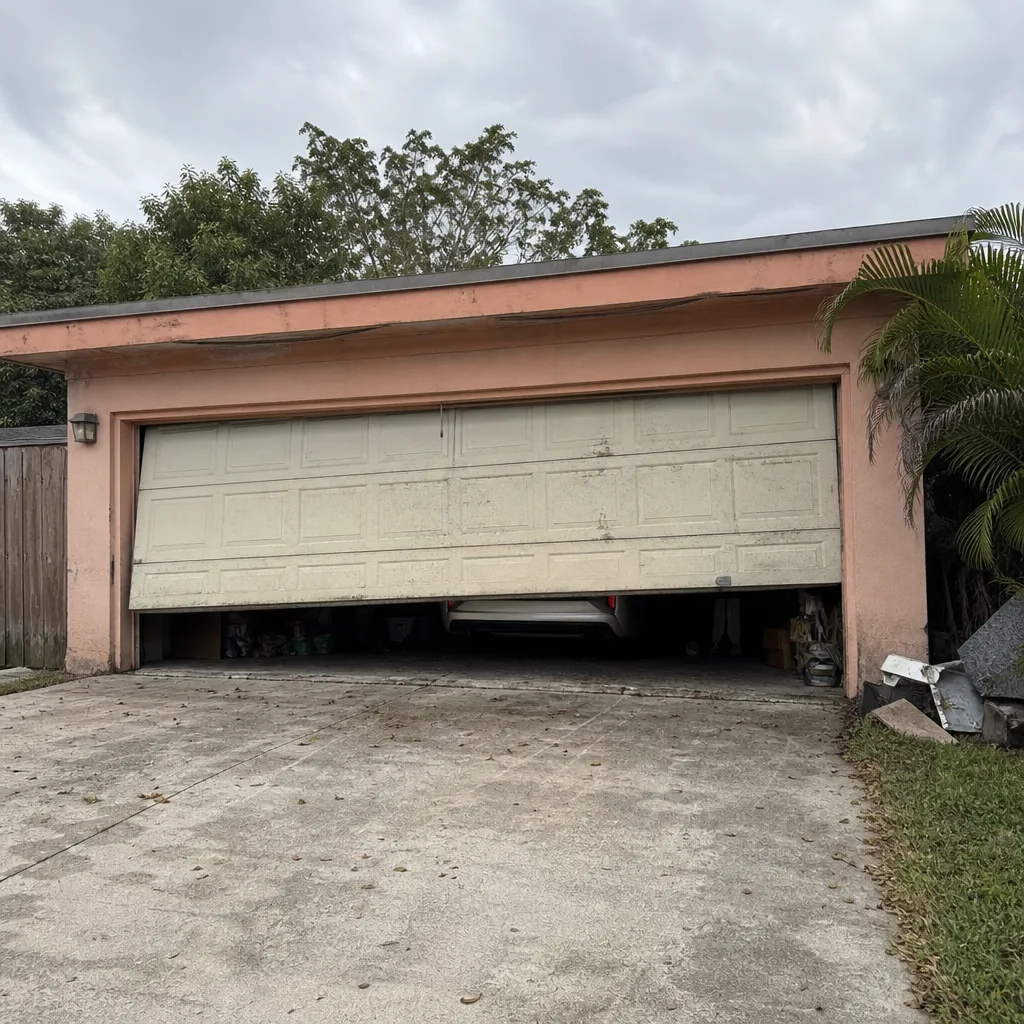 Before
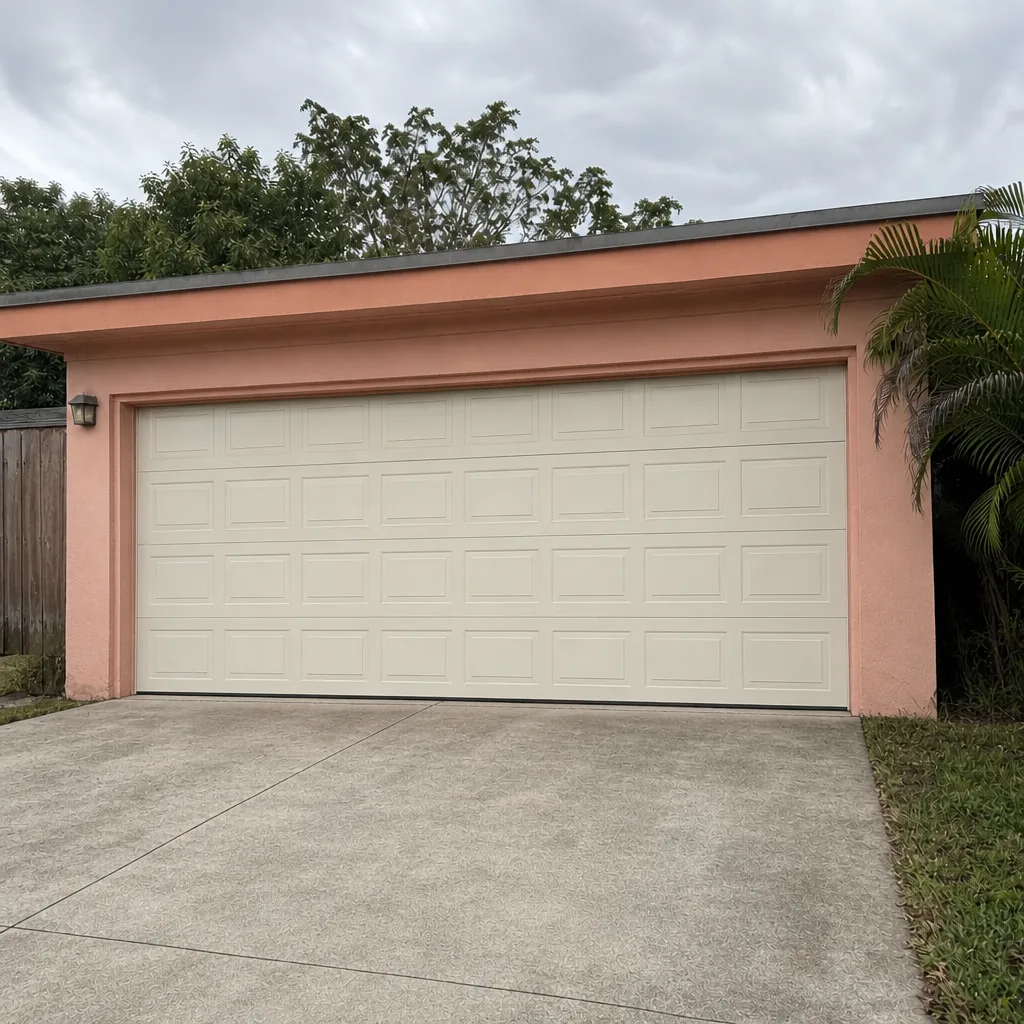 After
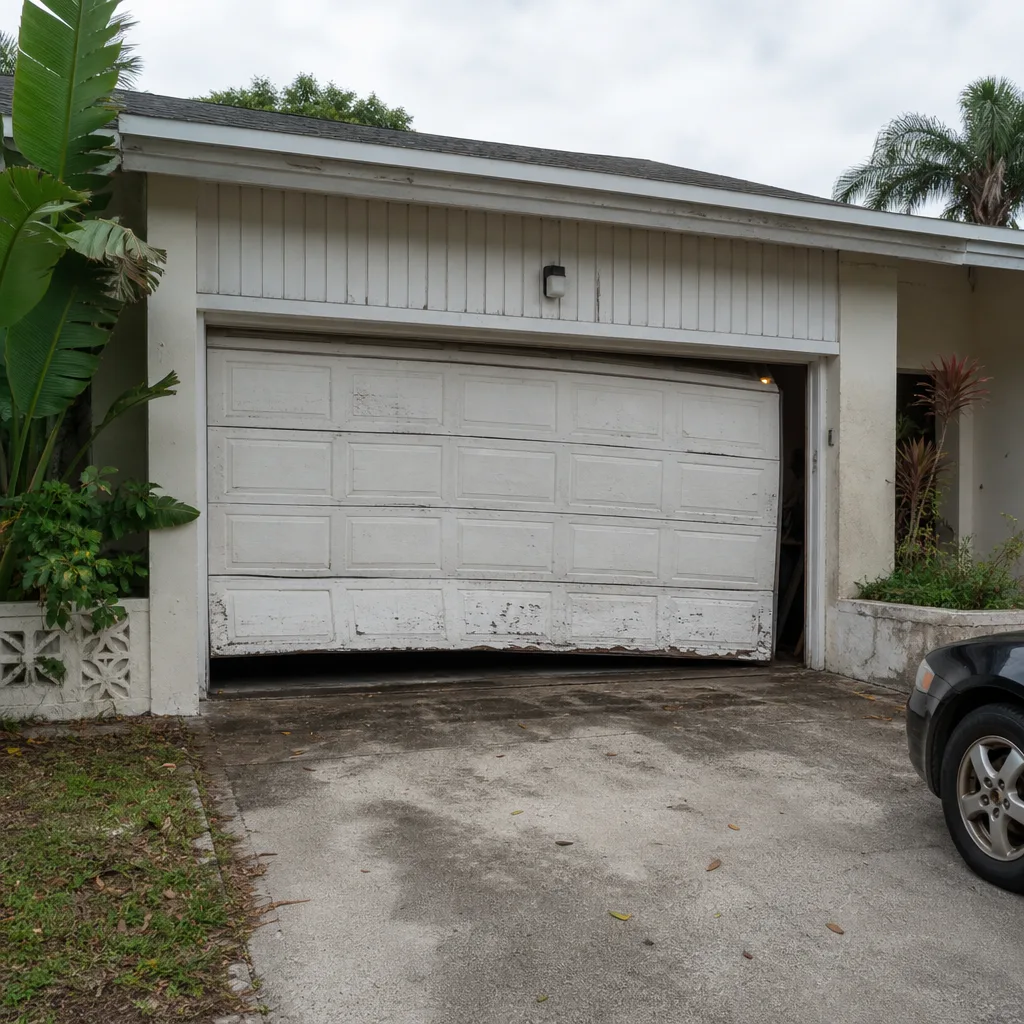 Before
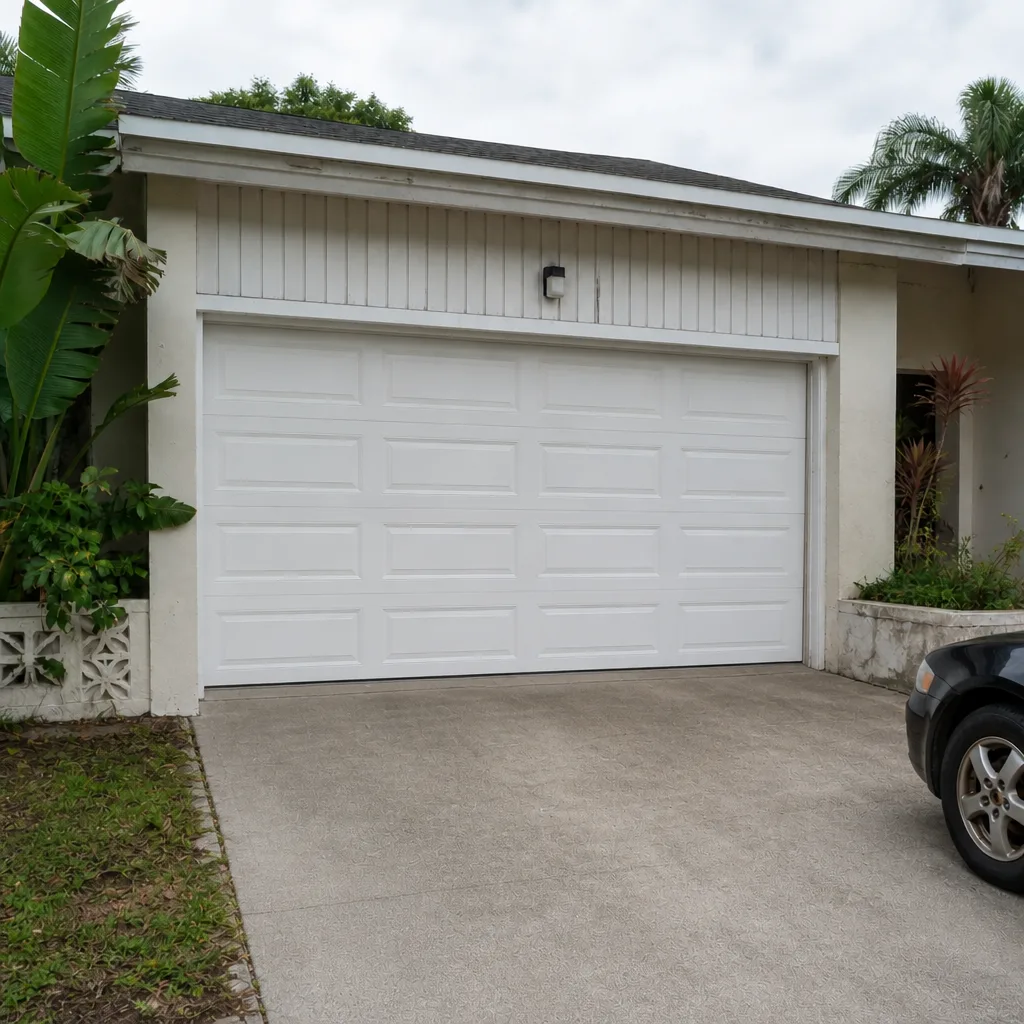 After
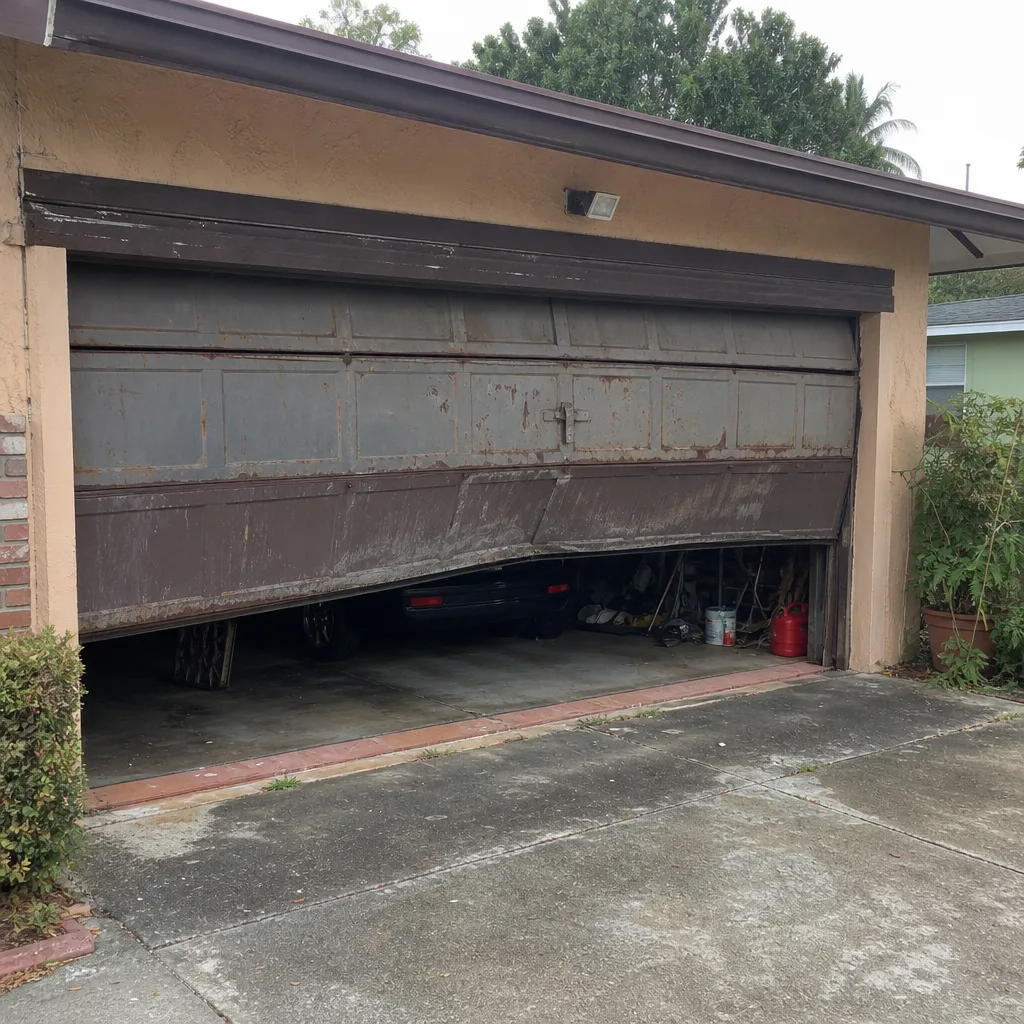 Before
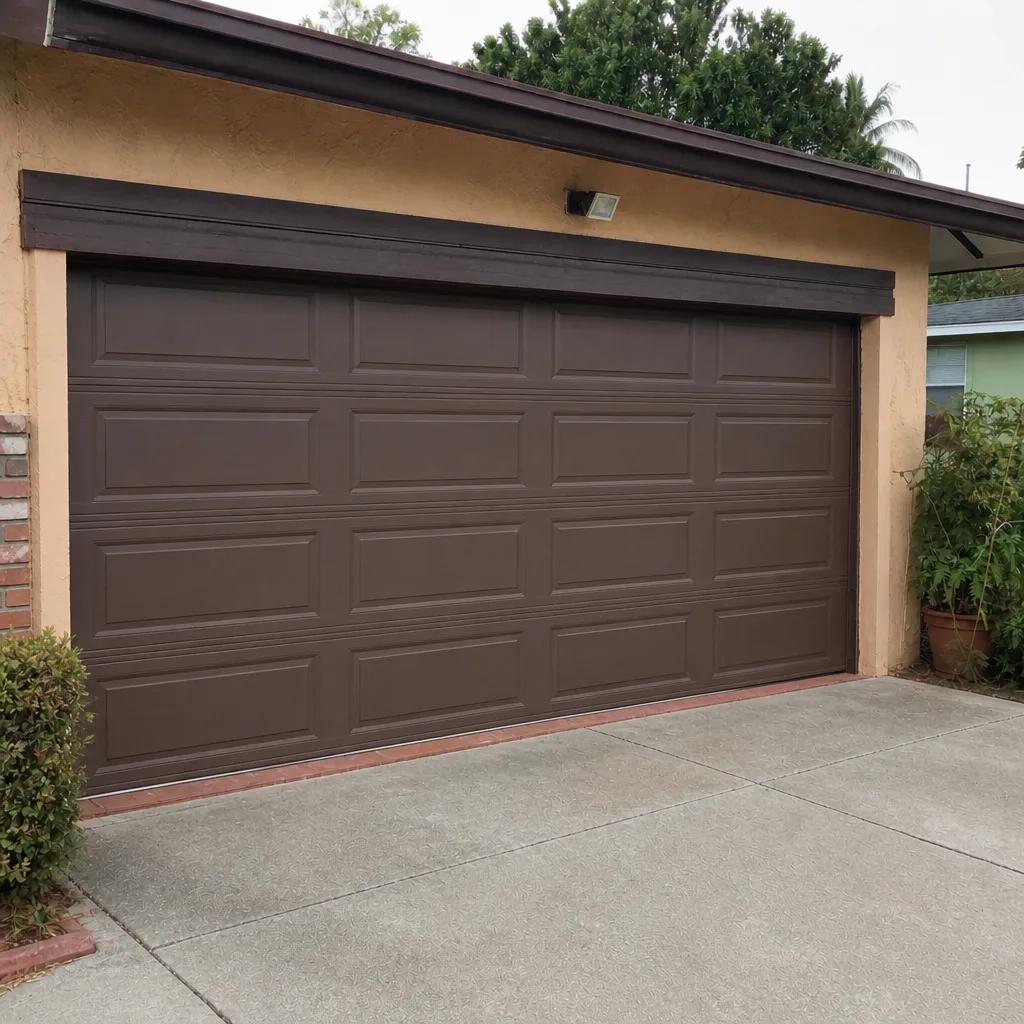 After
When to Call a Professional
Some tasks belong on your calendar; others belong on ours. Call a professional if the door won’t open or close at all, if a spring is broken or the door feels extremely heavy to lift by hand, if you see frayed or badly rusted cables, or if the opener runs but the door doesn’t move. Any loud bang, a door hanging off its track, or a manual release that won’t work are all signs to stop using the door and get it looked at. Sensors you’ve cleaned and realigned that still fail point to wiring or the opener board, which needs a technician. Miami Gardens Garage Door Repair Pros offers free estimates in Miami Gardens – call (833) 468-5952 and we’ll take a look before a small problem becomes a real one.
Frequently Asked Questions
Once a year for a full technician tune-up, plus a quick monthly visual check and a quarterly lubrication. The climate here is hard on hardware, so an annual service catches spring, cable, and opener wear before it turns into a repair. Between visits, the monthly walk-around is what keeps small problems small. Call (833) 468-5952 to schedule a free estimate.
The bottom weatherseal. Run your hand along the rubber strip at the floor and look for cracking, brittleness, or separation. A seal that has failed lets water in and throws off the door’s close. If it’s damaged, replace it rather than waiting for the next storm. Call (833) 468-5952 if you’re not sure whether the seal needs replacing.
Yes – lubricating hinges, rollers, and bearing plates is safe and worth doing quarterly. Use a dedicated door lubricant or light white lithium spray, apply it sparingly, and keep grease off the tracks. Don’t attempt springs or cables; those are under dangerous tension and need a trained professional. Call (833) 468-5952 for a free estimate on anything beyond basic lubrication.
Most often it’s the safety sensors. In Miami Gardens, insects nesting on the lenses or crossing the beam frequently trip them, which is why cleaning the sensor glass is the first step. If the lenses are clean, aligned, and lit but the door still won’t close, the issue is likely wiring or the opener’s logic board. Call (833) 468-5952 to have it diagnosed.
Test the manual emergency release, check that anchor bolts are snug and the surrounding wood or concrete isn’t cracked, inspect horizontal tracks for alignment stress, and confirm the bottom seal is intact. Do these checks early in the season, not when a storm is forming. If anything fails the test, it’s a repair – call (833) 468-5952 for a free estimate before the weather turns.
We work on the brand already in your garage. We service openers from LiftMaster, Chamberlain, Genie, and Craftsman, and doors from Clopay, Amarr, Wayne Dalton, and Raynor. Knowing the exact system means a faster diagnosis and the right fix. Our technicians have up to 12 years of experience. Call (833) 468-5952 for a free estimate.
The Bottom Line
Garage door maintenance in Miami Gardens is mostly about moisture, heat, and storm readiness – not the cold-weather concerns most checklists focus on. Check the bottom weatherseal first, watch the torsion bar and cable ends for rust, lubricate the moving parts quarterly with a product that holds up in the heat, and test your safety sensors every month. Handle the monthly and quarterly tasks yourself; leave springs, cables, and alignment problems to a trained technician. Done consistently, that routine keeps the door working and heads off the emergency repairs that cost the most.
If you’d rather have someone who knows the equipment take a look, call Miami Gardens Garage Door Repair Pros at (833) 468-5952 for a free estimate. We offer emergency response when the door won’t wait, and we handle springs, openers, panels, and full replacements across Miami Gardens.
Written by the team at Miami Gardens Garage Door Repair Pros.