Last updated November 22, 2026
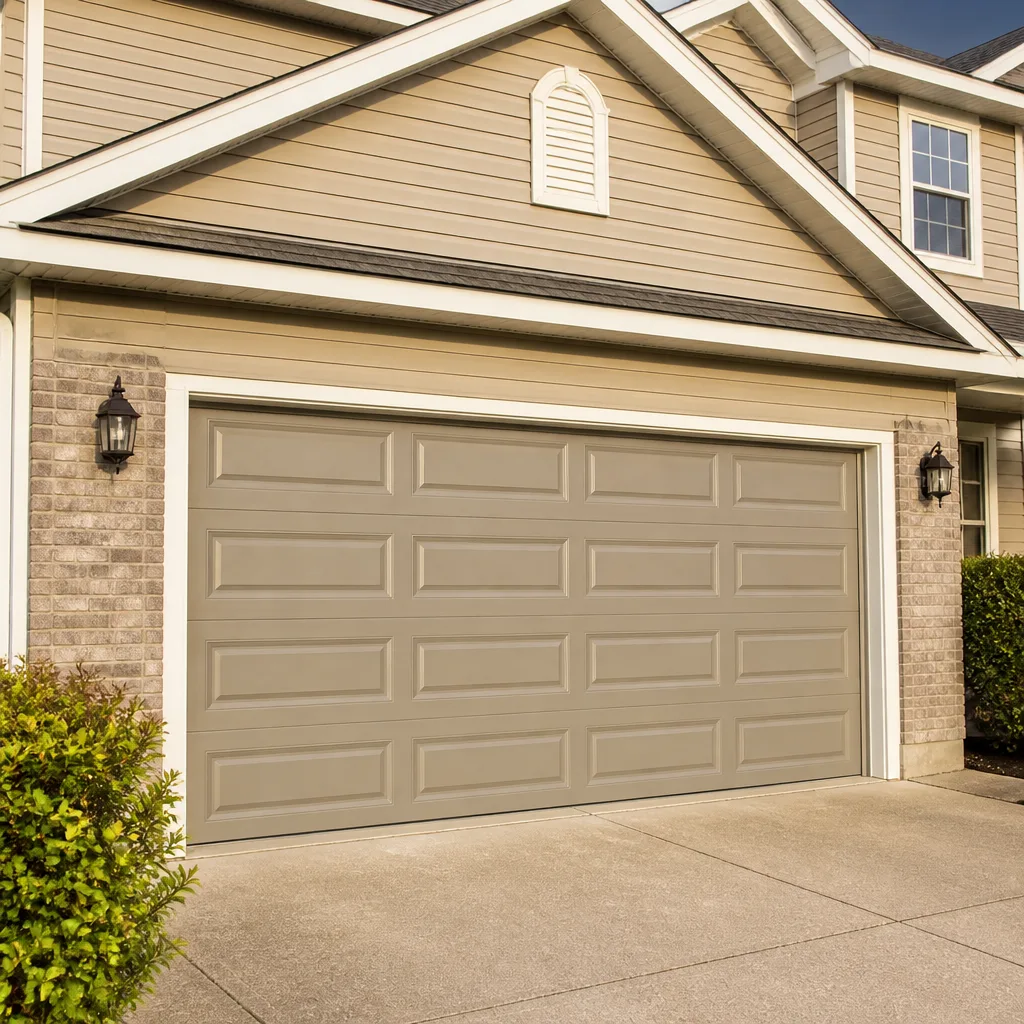 Raised-panel steel
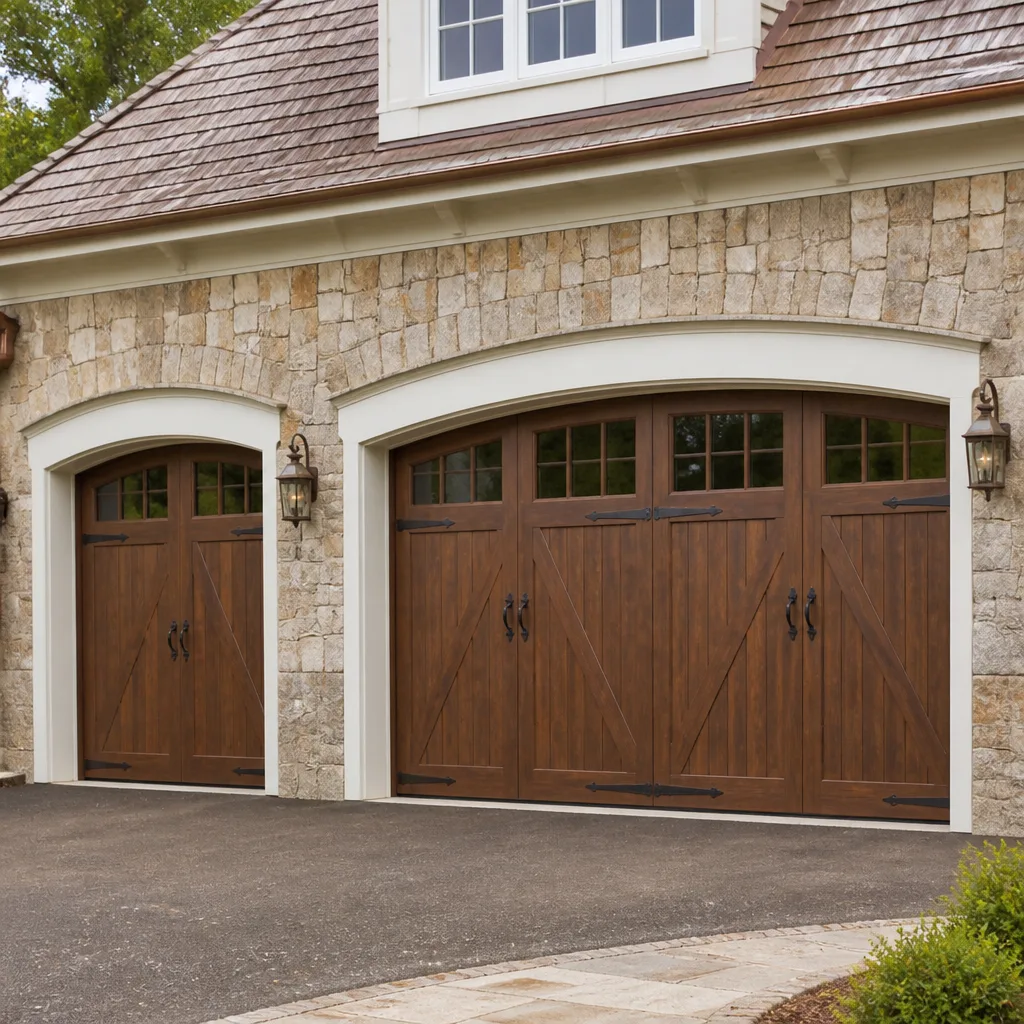 Carriage house
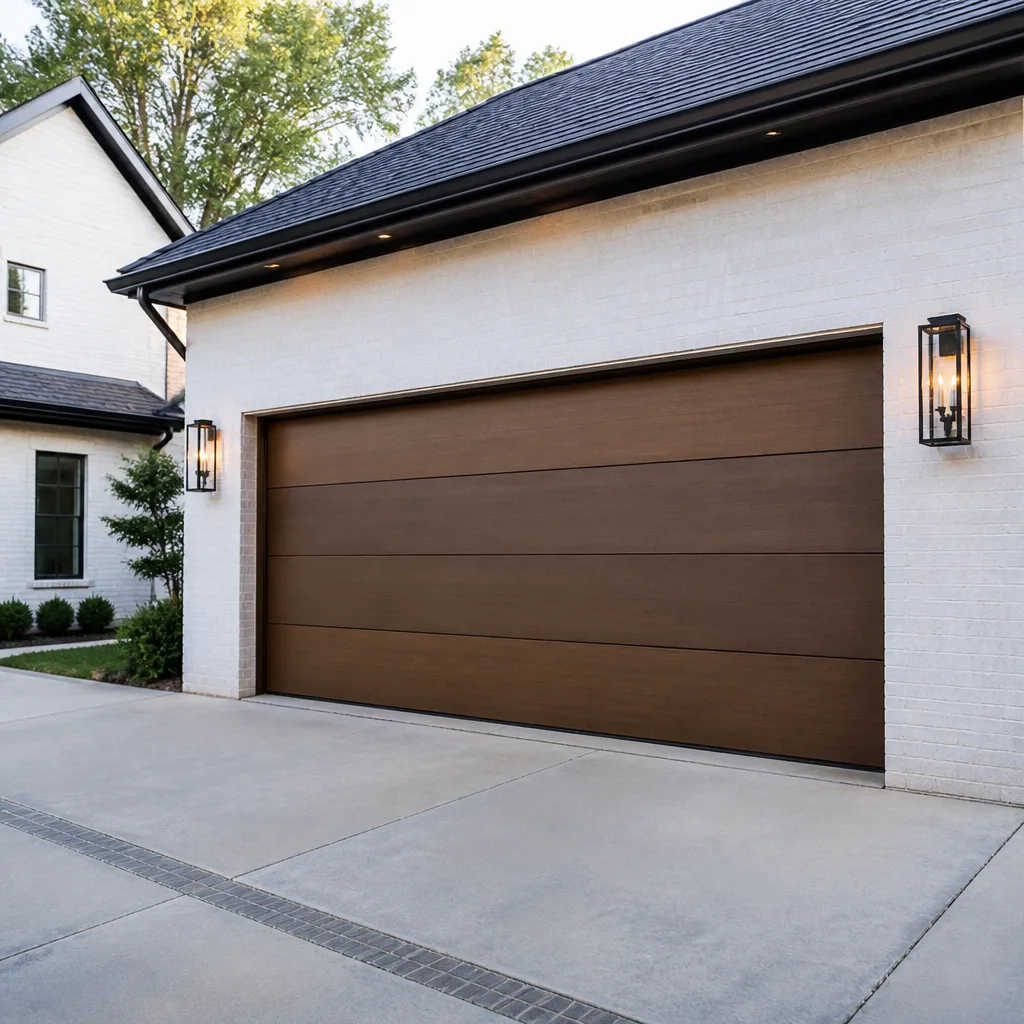 Modern flush
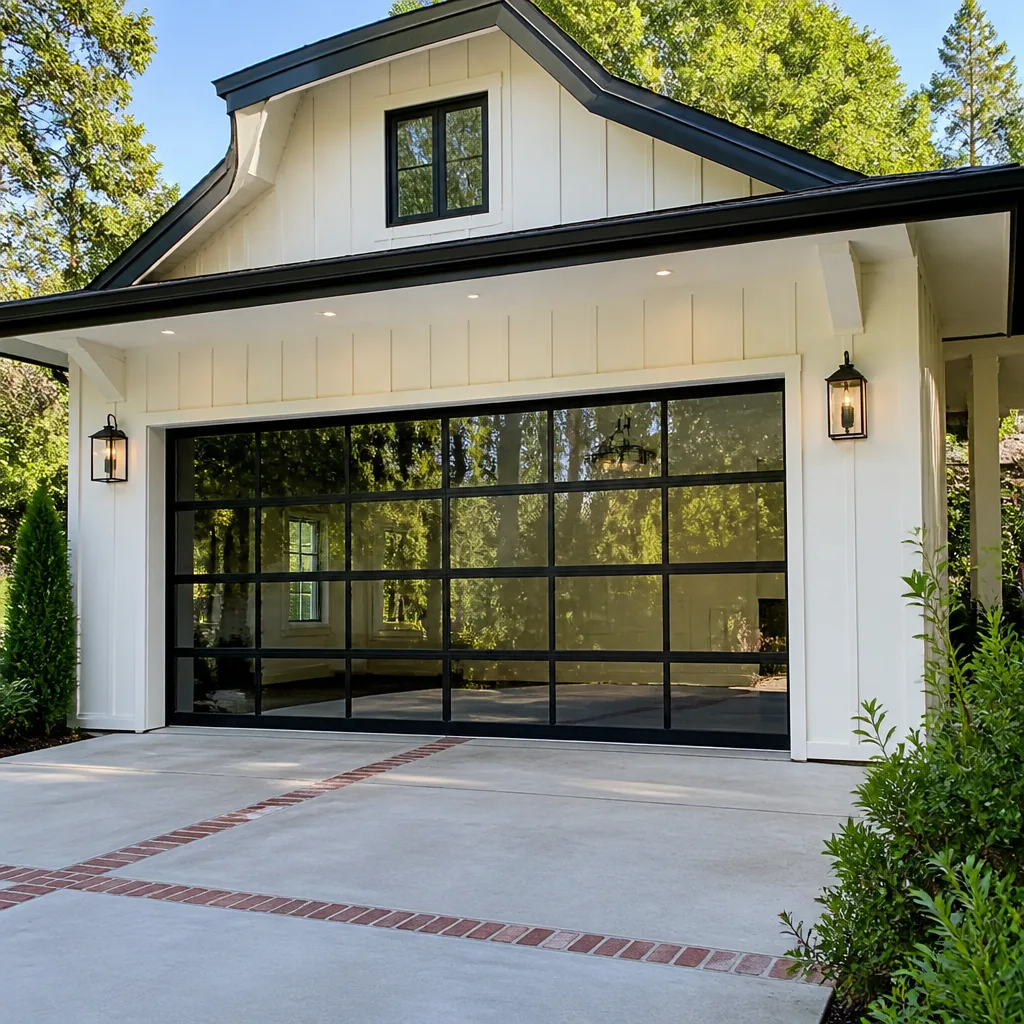 Full-view glass
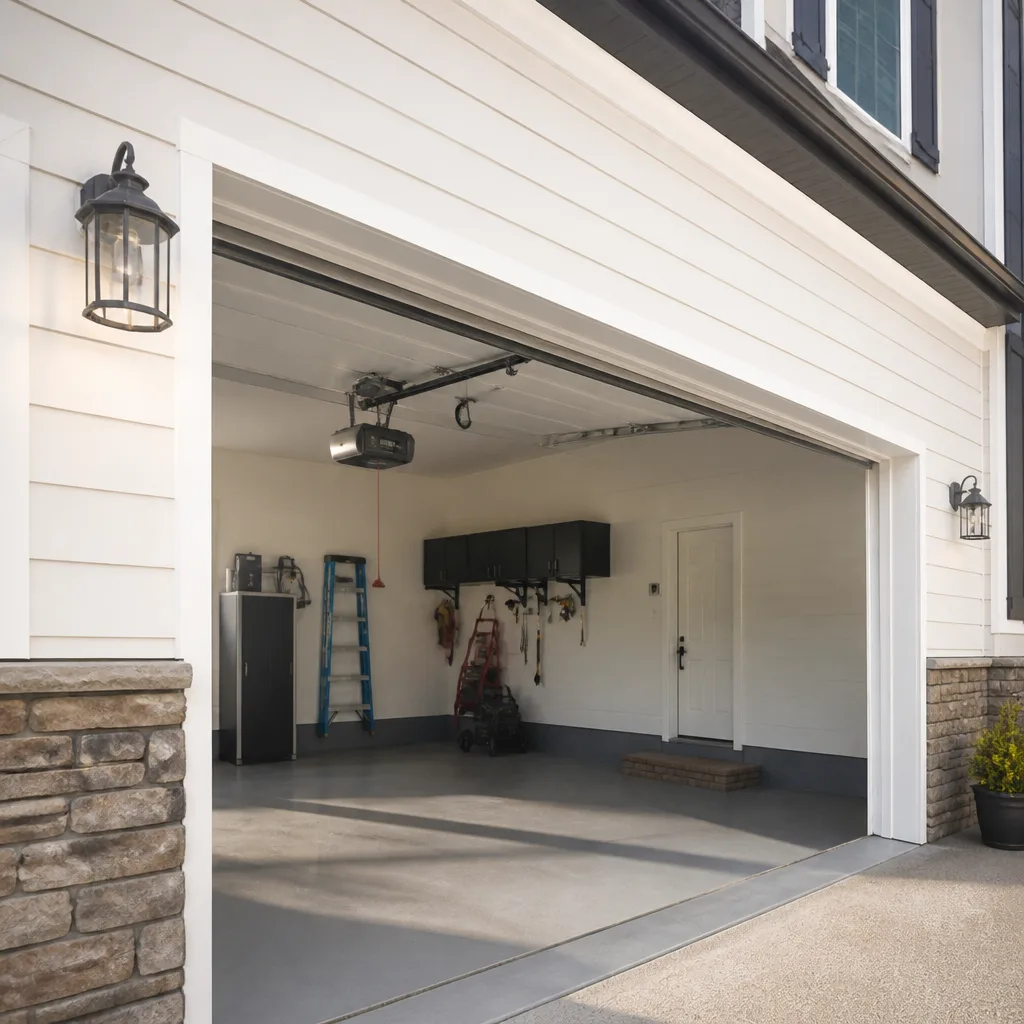 LiftMaster openers
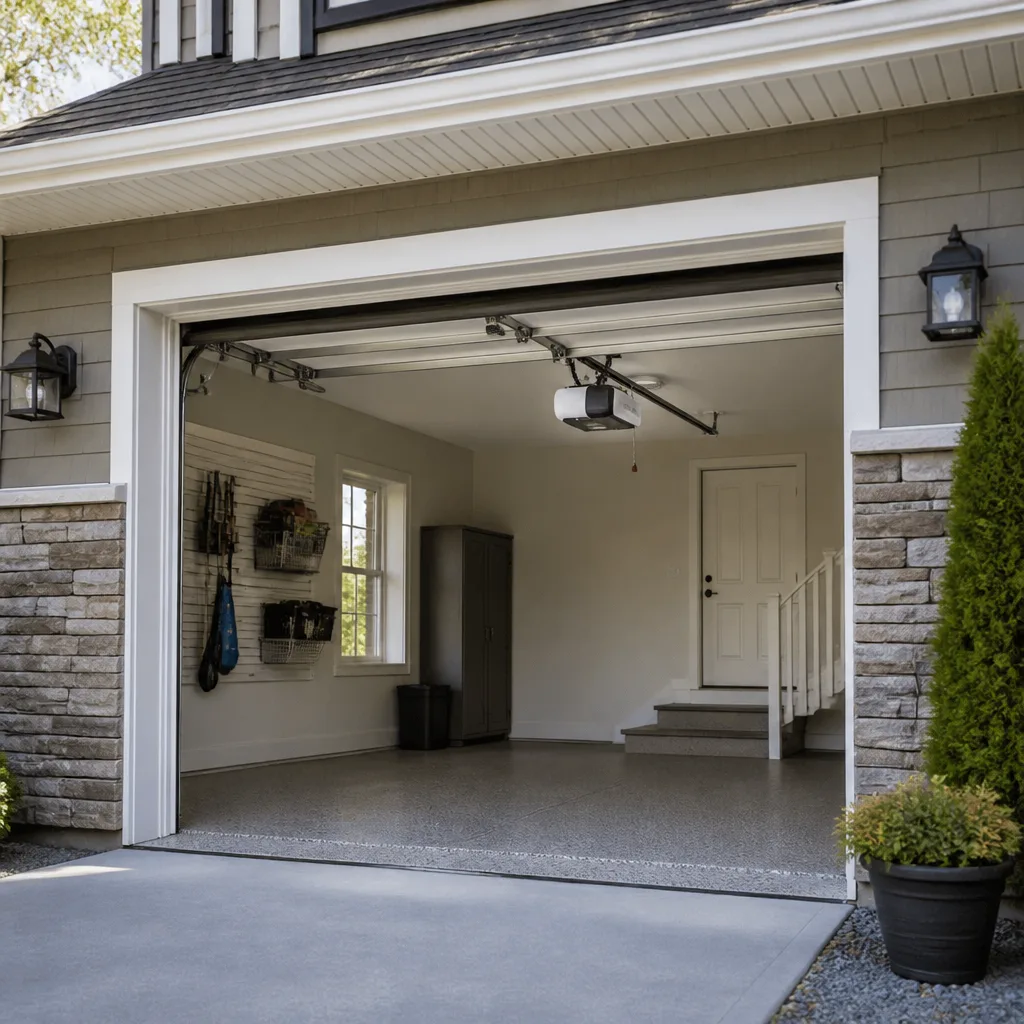 Chamberlain openers
Full 25-point door and opener safety check with every visit - springs, cables, rollers, tracks, and your LiftMaster or Chamberlain opener included
You get a price before we start. It does not change when the pro arrives.
Get your free estimateGarage Door Emergency Preparedness Guide for Miami Gardens Homes
Most garage door advice treats every failure the same: door won’t work, call someone. That’s a mistake, and in Miami Gardens it can be an expensive one. A door that fails mechanically on an ordinary afternoon is an inconvenience with a repair appointment attached. A door that won’t close with a named storm two days out is a different problem entirely, and it needs a different response, a different timeline, and in some cases a call you make before you ever pick up the phone to us. This guide separates those two scenarios, walks through safe manual operation, storm bracing, post-storm damage, and the emergency kit every Miami Gardens home should keep by the garage. By the end you’ll know exactly which call to make, and when.
Styles & brands we work with
- Raised-panel steel
- Carriage house
- Modern flush
- Full-view glass
- LiftMaster openers
- Chamberlain openers
Quick Answer
Garage door emergency preparedness in Miami Gardens means having two plans, not one: a mechanical failure plan for a door that breaks on an ordinary day, and a storm-prep plan for a door that won’t close when a hurricane approaches. The mechanical plan is a phone call to a specialist. The storm plan starts immediately, because a breached garage door creates wind pressure that can lead to roof failure, so securing or bracing the opening comes before anything else.
Table of Contents
- The Two Kinds of Garage Door Emergency
- How to Open Your Garage Door Manually During a Power Outage
- Storm Bracing Kits: Which Ones Actually Help
- Storm Prep Versus Repair: Which Call Do You Make?
- What to Do When Your Door Is Damaged Mid-Storm or After
- Building a Garage Door Emergency Kit
- Pre-Season Checks That Prevent Most Emergencies
- Common Mistakes to Avoid
- When to Call a Professional
- Frequently Asked Questions
The Two Kinds of Garage Door Emergency
If a hurricane is 48 hours out and your garage door won’t close, that’s not a repair call. That’s a structural emergency. A breached garage opening lets wind pressure build inside the house, and in South Florida hurricane events that pressure path is a leading contributor to full roof loss. The door isn’t a convenience in that moment. It’s part of the building envelope.
The second kind of emergency is the mechanical one. A spring snaps, a cable lets go, an opener dies with the car inside, or a panel gets bent so the door binds halfway down. Nobody’s roof is at risk, but your home is open, your vehicle is trapped, or both, and it needs a specialist.
Why does the distinction matter so much in Miami Gardens? Because the two situations have opposite priorities. A mechanical emergency is about restoring function safely and correctly. A storm-prep emergency is about closing and securing the opening fast, even if the long-term fix has to wait until after the weather clears. Confusing the two wastes the one thing you can’t get back during storm prep: time.
There’s a third, quieter scenario worth naming. Post-storm, the door may be technically closed but structurally compromised: a bent track, a twisted panel, a spring that’s been overstressed. That door can look fine and still be unsafe to operate. We’ll cover that separately below, because it needs its own set of rules.
How to Open Your Garage Door Manually During a Power Outage
Every residential garage door opener has a manual release. Knowing where it is, and pulling it correctly, is the single most useful piece of preparedness you can build into your routine. It’s also where the most common and most costly mistake happens.
The release is usually a red cord or handle hanging from the trolley on the opener rail, the metal bar running overhead. Pulling it disengages the door from the opener so you can lift it by hand.
- Find the release cord before you need it. Locate it now, while the power is on, and note what’s around it. Clutter left hanging near the rail is a common reason people can’t reach it in the dark.
- Make sure no one is under the door. A disengaged door is heavier than it feels, and springs that are failing can shift suddenly once the opener is out of the picture.
- Pull straight down and hold briefly. You should hear the trolley release. Don’t yank or angle the pull.
- Lift the door by the bottom section with both hands. For a single-car door, this is manageable for most adults. For a wide double door, it takes real strength; if you can’t lift it safely, stop and get help.
- Prop it fully open before you walk away. A door that isn’t all the way up can slide back down.
Here’s the mistake almost everyone makes: they pull the release, open or close the door, and walk away. Pulling the release disengages the opener, but it doesn’t lock anything. Your garage is now unlocked, and in many homes the garage is the path into the house. After using the manual release, re-engage the trolley by pulling the door down into the opener carriage and confirming it reconnects, or physically secure the door with the manufacturer’s slide lock if it has one. The door being down is not the same as the door being locked.
If the manual release won’t re-engage, or the door feels unusually heavy or binds on the way up, stop. That usually signals a spring problem, and springs aren’t a do-it-yourself item. When that happens, it’s time for a proper garage door repair visit rather than another round of forcing it.
Storm Bracing Kits: Which Ones Actually Help
Storm bracing kits are aftermarket braces that bolt to the inside of the door and reinforce it against wind pressure. Some are genuinely useful. Many are sold as hurricane protection and aren’t rated for anything. In a place where the weather is the reason you’re buying the kit, that difference matters.
Here’s the short version: a bracing kit is only as good as the door it’s attached to. If your door isn’t rated for wind pressure, bolting braces onto it does not turn it into a rated door. It adds stiffness to a panel that was never engineered to carry that load, and on a lightweight non-rated door that can feel like protection while behaving unpredictably under real pressure.
What to look for before you buy
- Proof the door itself is rated. Bracing kits are typically designed to work with specific door products. The kit should name the doors it’s approved for, and the door label should confirm it’s rated. If you can’t find the rating, call us and we’ll help you read it.
- Approval documentation, not just marketing language. In Miami-Dade County, door products and their accessories are evaluated against the county’s own testing protocols. A kit that isn’t evaluated that way shouldn’t be described as Miami-Dade approved, however confident the packaging sounds. Ask the seller for the specific evaluation document.
- Proper hardware and torque. A brace fastened with the wrong fasteners into a thin panel can tear out. This is a job where “close enough” is the wrong standard.
- Compatibility with your door. A brace designed for one panel profile can fit a door of another brand and still sit wrong. This is where brand and model knowledge matters. We work with Amarr and Wayne Dalton doors among others, and the panel construction differs enough between them that we’ve seen braces fitted to the wrong door product fail inspection before a storm ever arrived.
If your door isn’t rated, don’t install a brace and assume the problem is handled. The honest answer is that a non-rated door is a non-rated door, and storm prep for that door means closing it and keeping it closed, plus planning for what you’ll do if the weather breaches it. When the door comes up for replacement, a rated door plus a matching bracing system is the combination that actually does the job.
Storm Prep Versus Repair: Which Call Do You Make?
This is the decision most people get wrong, understandably, because both situations feel urgent and both happen under stress. Use the clock to decide.
Storm prep: the weather is on the way
If a named storm is approaching and your door won’t close, the priority is getting the opening sealed, not diagnosing the door. Call us immediately and describe the airport-speak version: door won’t close, storm approaching, what’s blocking it. We’ll tell you what’s safe to do in the next few hours and what can wait. In many cases a specialist can get the door closed and locked even when the root cause has to be repaired afterward.
Do not block the opening with plywood wedged against a non-rated door, and don’t stack objects against the inside of a hollow panels. If the door can’t close, plan to shelter outside the risk zone rather than treating a compromised garage as a safe room.
Mechanical failure: the weather is not a factor
A broken spring, dead opener, or derailed cable on an ordinary day is a straightforward repair call. You have time. You want the right fix, not the fastest fix, and that means a proper diagnosis. The one thing you should not do is leave the door open overnight. If you can’t close it by hand safely, call and we’ll get you scheduled and moved to the front of the queue. For opener-specific failures, that’s our garage door opener repair service.
The call no one wants to make
If your door involves snapped springs or a slack cable, and this applies whether it’s storm season or not, stop operating it. High-tension springs and the cables under load are the most dangerous parts of a garage door system. They’re under enough force that a mishandled adjustment can cause serious injury. This is exactly the repair that should never be a homeowner project, which is why spring work is a dedicated specialty for us. A garage door spring repair call gets a trained technician in front of the actual hardware, with the right tools and the right sequence.
What to Do When Your Door Is Damaged Mid-Storm or After
Between the time a storm hits and the time a contractor can safely respond, you may be living with a damaged door. What you do in that window matters for your safety and for how much of the door can be saved later.
- Stay out of the garage while the wind is active. A door that’s partially off its track can come down unpredictably. It’s a heavy object with a lot of energy still in it.
- After the wind drops, look before you touch. From inside the house, check whether any panel is bent, whether the track has pulled away from the framing, whether a cable is hanging loose, or whether the door is visibly out of its tracks. Don’t raise a damaged door to “test” it.
- If the door won’t close, secure the opening from the inside if you can do it safely. That may mean a temporary barrier that blocks entry to the house, not a repair attempt on the door itself.
- Photograph everything before anything is moved. Your insurer will want a record, and so will a technician assessing whether the door can be repaired or needs replacing.
- Don’t force a bent door back into the track. Panel and track damage on a Clopay or Raynor door, for example, often looks like a small bend and turns out to be a structural deformation once the door is under load again.
- Book the professional assessment before cosmetic fixes. A damaged door can be closed and still be unsafe, and an assessment tells you which situation you’re in.
One more thing about that post-storm window. A lot of homes end up calling whoever answers first, and some of those calls end with a quick patch on a door that then fails again. We’d rather diagnose the whole assembly once. Openers, springs, tracks, panels, and the door itself all interact, and a storm can stress several of them at once.
Building a Garage Door Emergency Kit
You don’t need a large kit. You need a small one, stored in a place you can reach in the dark without moving anything, and you need it to contain things that actually matter when the door fails. Put it in a zip-sealed bag and keep it on a hook near the house-side door, not on a shelf behind the lawn equipment.
- A spare remote or keypad code you remember. Remotes die, keypads lose their programming, and this is the failure that catches people most often. A spare remote zipped into the kit solves it in thirty seconds.
- A manual key override. If your opener has an exterior keyed release, the key belongs on your main key ring or in the kit, not in a kitchen drawer you can’t reach from outside.
- Our number, saved offline. Screenshot it, write it on a card, stick the card in the bag. In the middle of a long power outage your phone could be dead, and an address book in the cloud won’t help. The number is (833) 468-5952.
- A flashlight that isn’t your phone. A garage with no power and no daylight is genuinely dark.
- A photo of your door and its safety label. The label tells a technician the make and rating at a glance. That saves time on the phone and helps confirm whether a bracing kit applies. A photo of the opener’s model label is worth taking too.
- A note on your manual release location. Two lines on an index card: where the release is, and what to do after using it. Household guests and family members will thank you.
That’s the whole kit. Nothing in it requires a technician and nothing in it involves a spring, a cable, or a tool that could get you hurt.
Pre-Season Checks That Prevent Most Emergencies
Most of the emergency calls we get aren’t sudden. They’re the end of a slow wear process that nobody watched. A handful of checks before storm season each year moves most of those failures off the emergency list and onto a scheduled repair.
Do these from the floor, with the door closed, before you test anything:
- Look at the springs above the door. Rust streaks, a visible gap in the coil, or a door that suddenly feels much heavier means stop and call.
- Look at the cables on each side. They should sit clean and taut in the drums. A frayed or slack cable is a professional call, not a tighten-it-yourself job.
- Check the tracks for bends and the rollers for wear. Rollers that have gone flat or cracked make the door lurch, which loads the springs unevenly.
- Run the door and listen. Grinding, popping, or a door that reverses on its own are all signs worth investigating before they become stuck-door calls.
- Test the safety reverse with a small object in the door’s path. It should reverse on contact without a struggle.
- Confirm the opener still disengages by hand. If the release doesn’t move, you’ll find out during the power outage, which is the worst possible time.
- Check the door’s rating label survives the season. If a sticker or label has come loose, note the make and model information yourself so it isn’t lost.
Do this once a year, and you’ll catch most failing springs, stretched cables, and dying openers while they’re still a scheduling decision rather than a scramble. For the full picture of what we cover on a repair visit, start with Miami Gardens Garage Door Repair Pros.
Common Mistakes to Avoid
- Treating a storm-prep scramble like a normal repair call. If the storm is close, the priority is sealing the opening, not diagnosing the door. Say clearly that a named storm is approaching so the call gets handled on the right timeline.
- Pulling the manual release and leaving the door unlocked. The opener is disengaged, the door is down, and your garage is open to anyone who lifts it. Re-engage the trolley or use the manufacturer’s lock.
- Buying a “hurricane brace” for a non-rated door and calling it storm protection. A brace stiffens a mechanism that was never engineered for that load. It’s not a substitute for a rated door.
- Testing or lifting a damaged door “just to see.” A bent panel or loosened track can come down hard. Look, photograph, and wait for a professional.
- Attempting spring work yourself. Springs are under tension that can cause serious injury, and this is the repair where the wrong move is most likely to hurt someone. Stay clear of the hardware.
- Keeping the emergency number only in your phone. During a long outage the phone may be dead. Save the number offline, in the kit, in writing.
- Assuming a closed door is a safe door after a storm. A door can be down and still be structurally compromised. Get an assessment before you rely on it again.
When to Call a Professional
Call us when the door won’t close and weather is coming; when springs or cables are visibly damaged or the door has become too heavy to lift; when a door is off its tracks, bent, or reversed itself; when the opener runs but the door doesn’t; or when the manual release won’t re-engage. Call when you’re locked out or locked in. Call after storm damage, before you operate the door. Miami Gardens Garage Door Repair Pros offers free estimates in Miami Gardens – call (833) 468-5952. Our technicians have up to 12 years of experience and work on the brand already in your garage, so the diagnosis starts from a place of familiarity instead of guesswork. If it can wait, we’ll tell you. If it can’t, we’ll treat it that way.
Frequently Asked Questions
Call a garage door specialist immediately and tell them a named storm is approaching, because the goal is sealing the opening before the weather arrives, not diagnosing the door. Don’t block the opening with makeshift barriers against a non-rated door, and don’t shelter in a garage you can’t secure. Call (833) 468-5952 to start that conversation.
It’s safe when the door is in good repair and the door is small enough for you to lift with both hands, but not on a wide door that feels heavy or binds. Pull the manual release, lift by the bottom section, prop the door fully open, and lock it or re-engage the trolley afterward. If the door is unusually heavy, stop and call.
A bracing kit helps when it’s installed on a door that’s rated for wind pressure and the kit is designed for that specific door. It doesn’t turn an unrated door into a rated one. Before buying, get the specific approval document and confirm the door’s own rating; if you can’t find it, call us and we’ll help you read the label.
Yes, get it assessed before you keep using it. A door that closes can still have a bent track, a deformed panel, or an overstressed spring that fails under load. Don’t force it back into the track yourself.
A short pre-season check every year catches most of it: inspect springs and cables, look for bent tracks and worn rollers, run the door and listen for grinding or reversal, test the safety reverse, and make sure the manual release still works. Any spring or cable finding goes straight to a professional.
Yes, emergency garage door service is one of our core offerings, for situations that can’t wait for a scheduled appointment. When the door won’t open or won’t close, call (833) 468-5952 and describe what’s happening; estimates are free.
The Bottom Line
Two plans, not one. For a mechanical or spring failure in Miami Gardens, stop operating the door, keep everyone clear of the hardware, and call a specialist who knows the brand already in your garage. For a storm-prep emergency, call immediately and treat securing the opening as the priority, not repairing the door. Back both plans with a small kit: spare remote, key override, working flashlight, a photo of your door label, and our number saved offline. Do the pre-season checks each year, and most emergencies never happen. If one does, call (833) 468-5952 for a free estimate and a written price agreed before any work starts.
Written by the team at Miami Gardens Garage Door Repair Pros.
See the difference
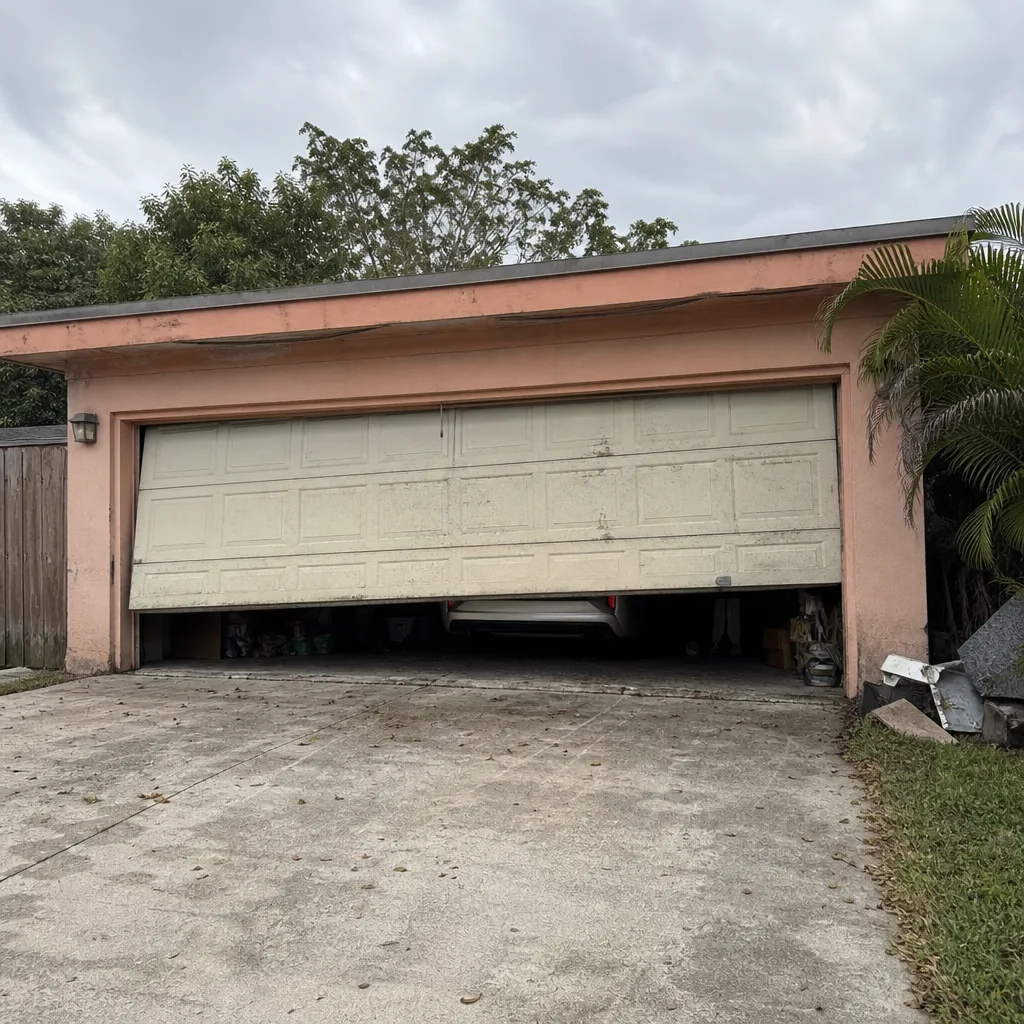 Before
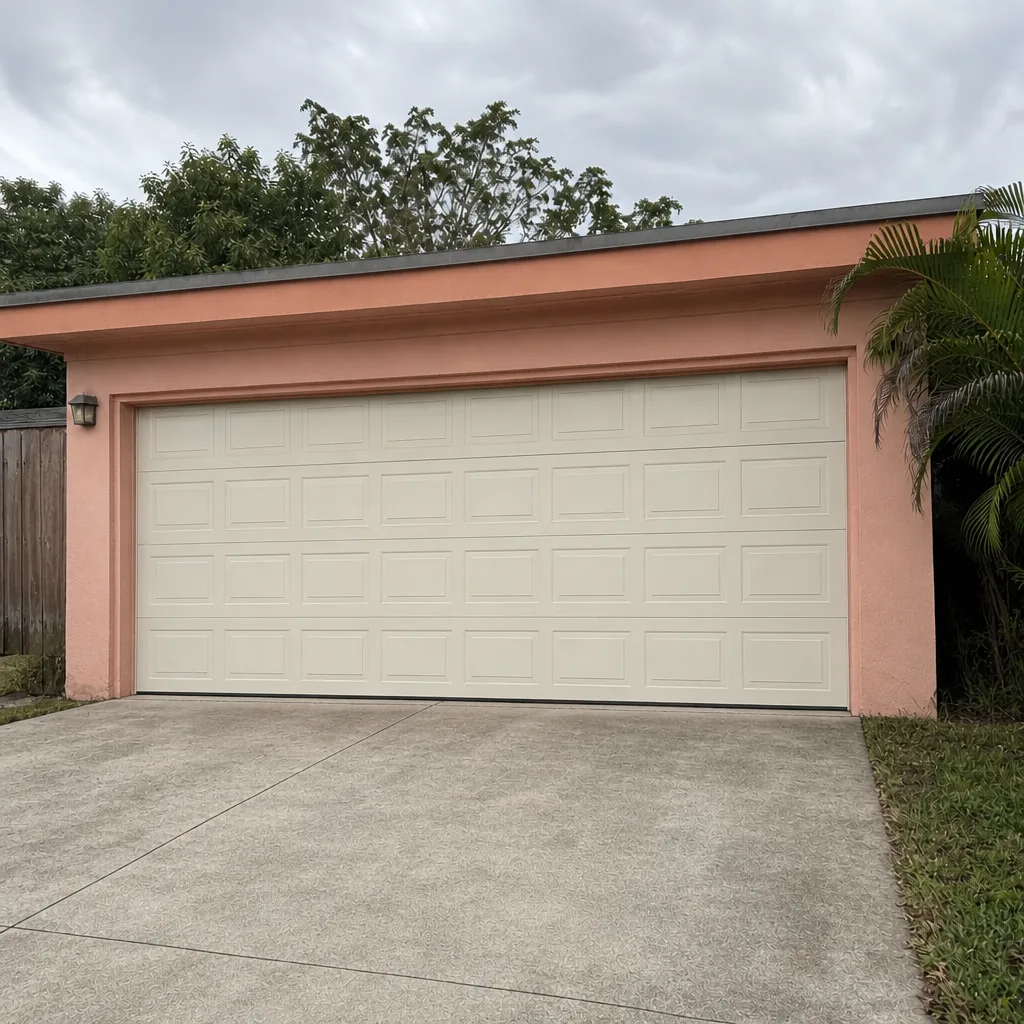 After
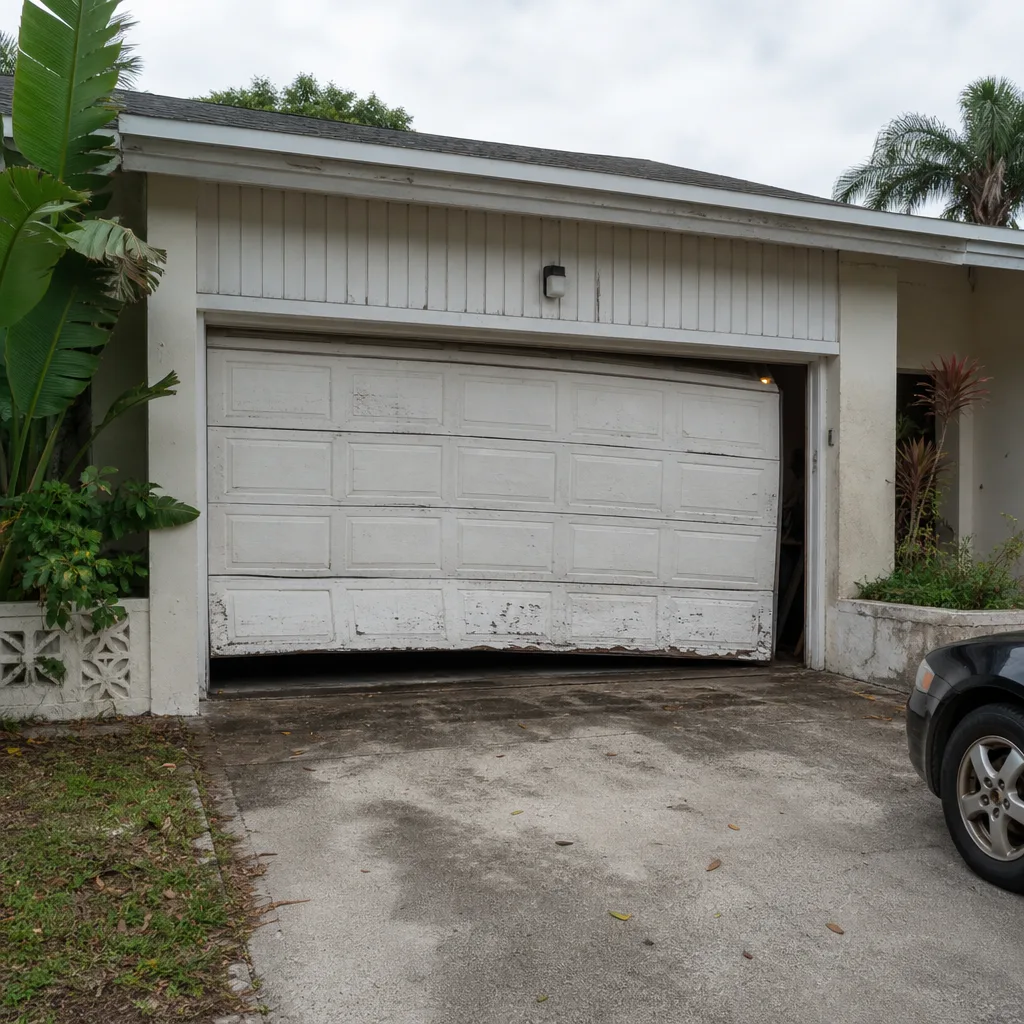 Before
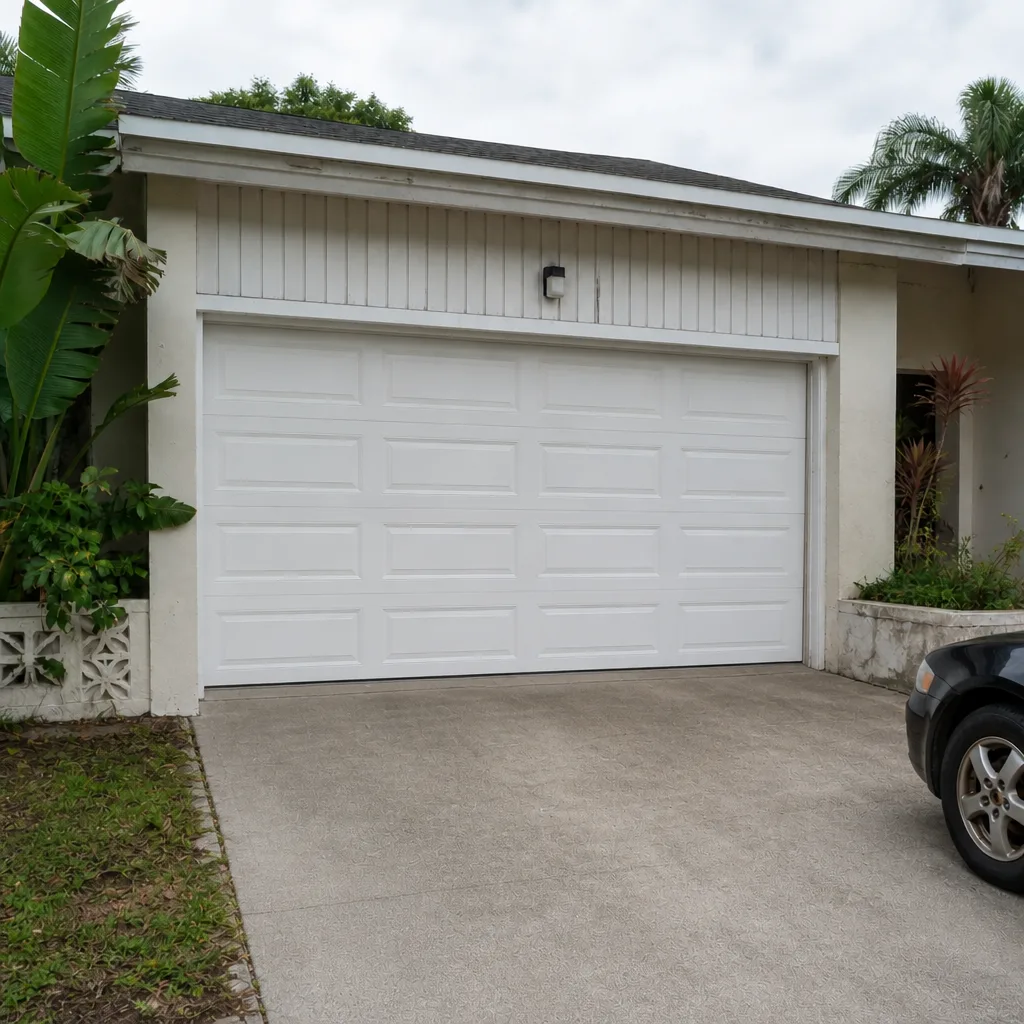 After
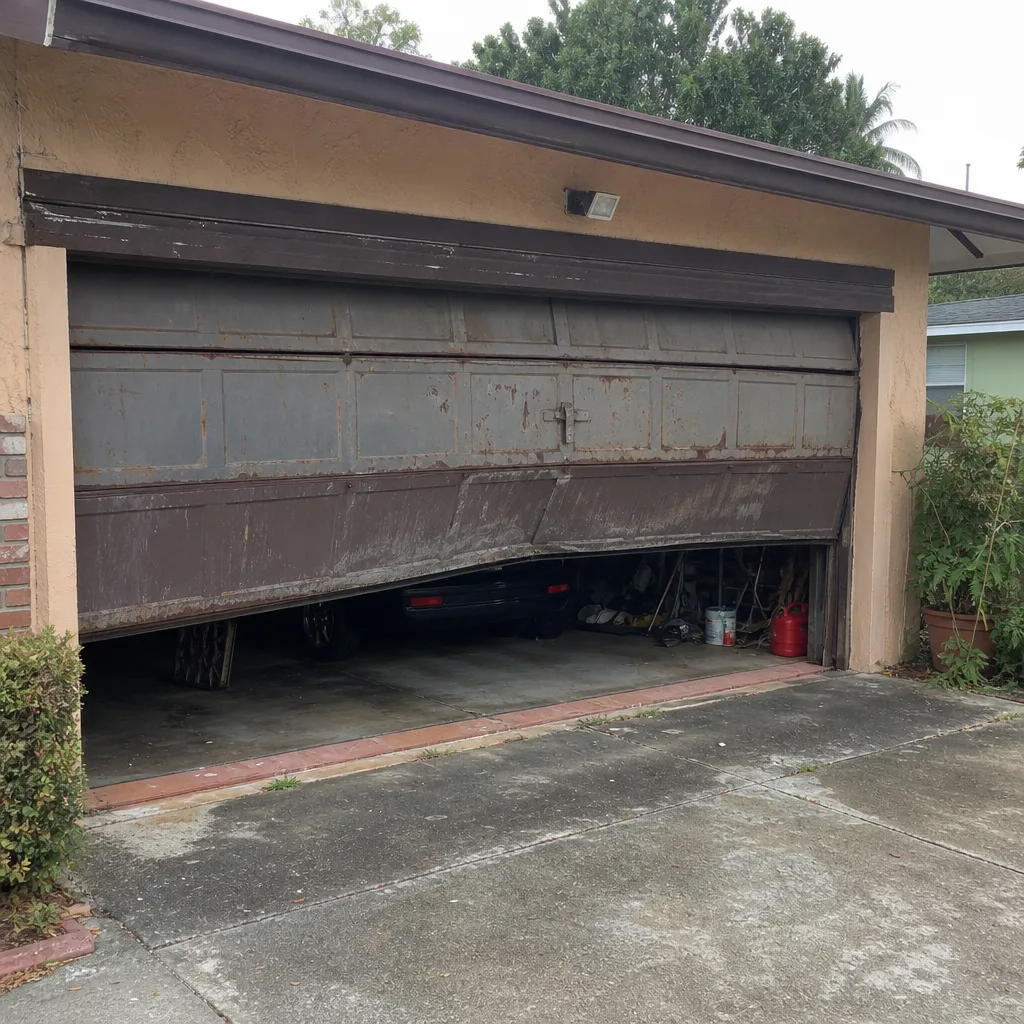 Before
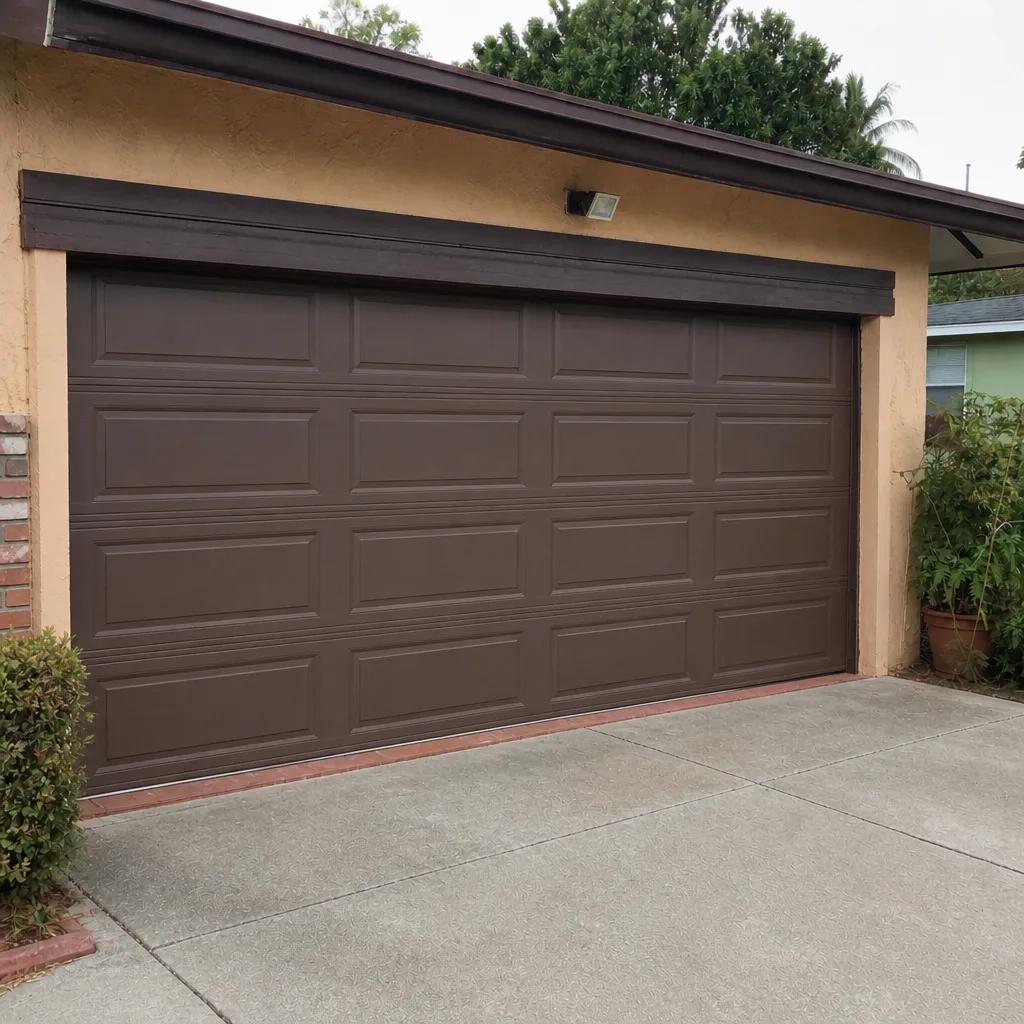 After